Latest publications and insights

A new petition argues that the UGC's 2026 Regulations define "caste-based discrimination" too narrowly, leaving out students from non-reserved categories who might also face bias.
As AI deepfakes sever truth from digital records, India’s evidence law faces an epistemic crisis. Why Section 65B and the BSA can’t verify reality.
Supreme Court clarifies Section 35(3) BNSS 2023: Notices are mandatory for offences punishable up to 7 years. Arrest is an exception, not the rule. Read the full analysis of Satender Kumar Antil v CBI (2026)
The Supreme Court upholds Telangana High Court's guidelines to prevent mechanical FIRs for social media posts. Learn how the new rules protect political speech, require preliminary inquiries, and stop illegal arrests in digital defamation cases.
The Supreme Court has held that under the Right to Education (RTE) Act, the primary responsibility to ensure teachers are paid fairly lies with the State Government. The Court clarified that a State cannot evade its obligation to pay the prescribed honorarium by pointing fingers at the Central Government's failure to release its share of funds.
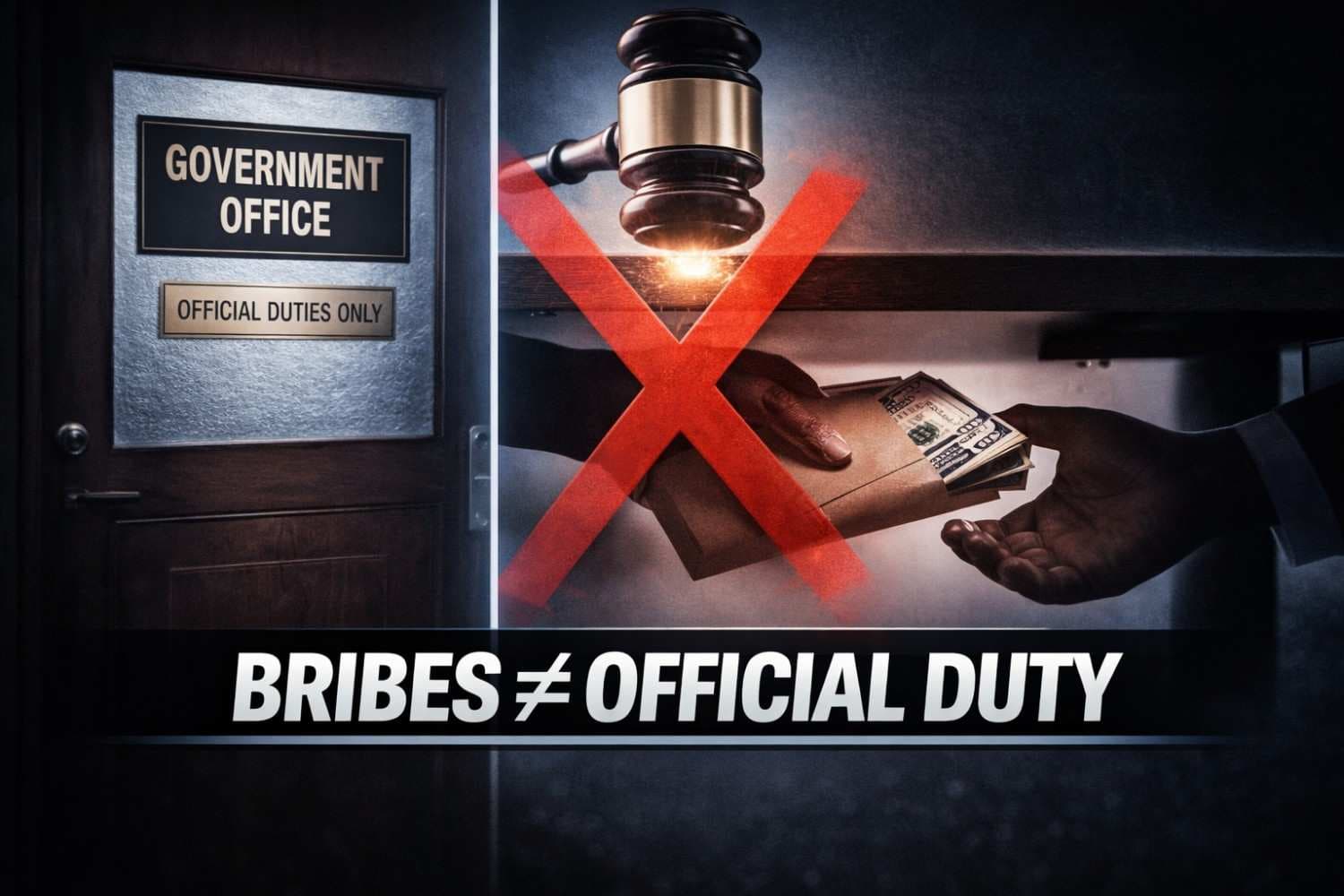
The Supreme Court clarifies that the shield of prior sanction under the Prevention of Corruption Act is limited to administrative decisions, not demands for bribes.
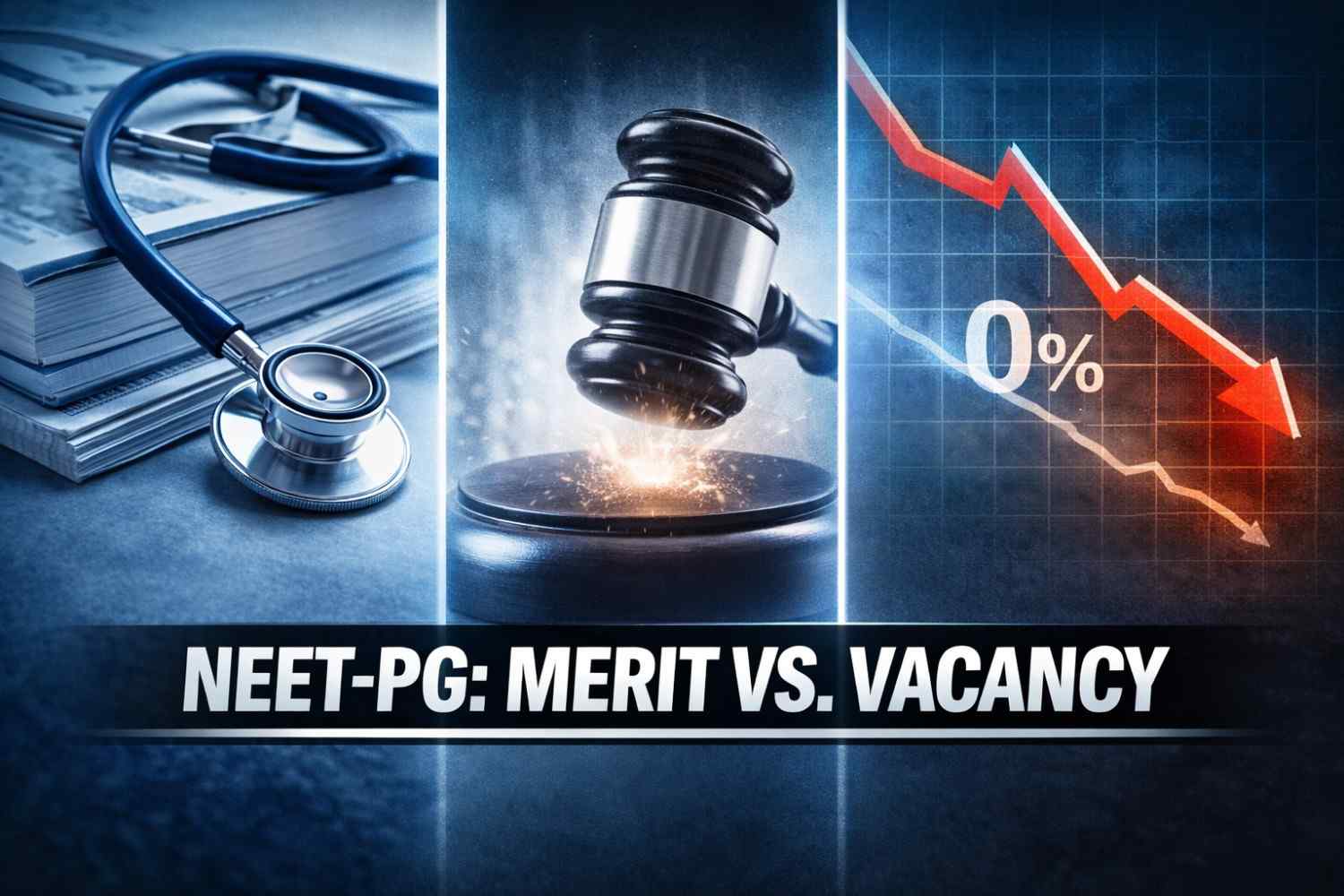
The Supreme Court examines the controversial decision to lower postgraduate medical entry standards, with petitioners alleging it reduces competitive exams to a "mere formality."
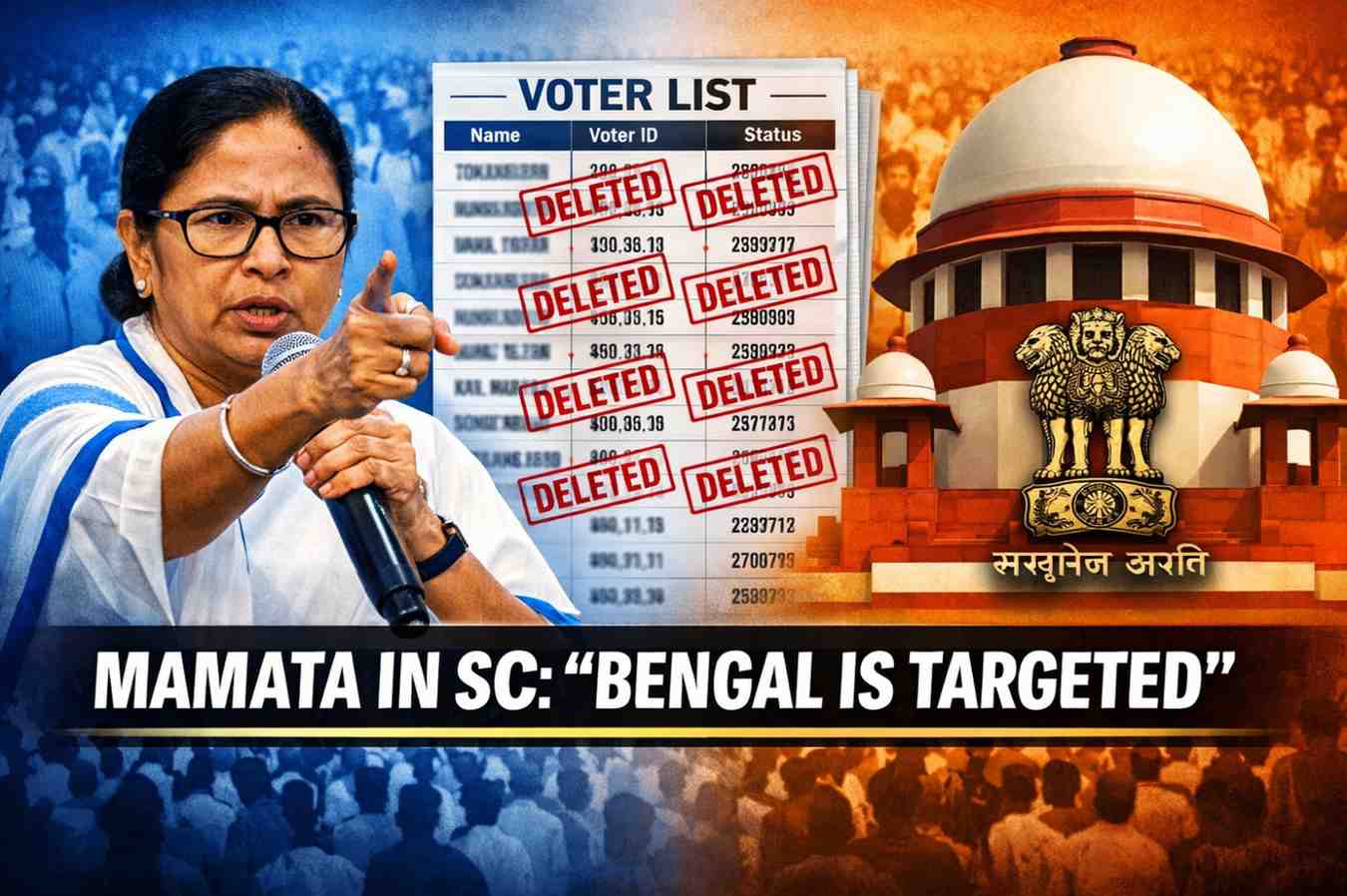
In a dramatic first for the Indian judiciary, a sitting Chief Minister argues her own case, accusing the Election Commission of conducting a "deletion drive" through its Special Intensive Revision.

The Supreme Court disposes of a PIL seeking transparency in caste enumeration, stating that Census operations are the prerogative of the Executive and domain experts.

The high-stakes battle over alleged obstruction of I-PAC raids is pushed to next week as parties seek time; Supreme Court's "lawlessness" concerns loom large.

The Supreme Court questions Meta and WhatsApp over their privacy policy, raising alarms about the commercial exploitation of user data and the lack of informed consent.

The Apex Court rules that allegations of forgery regarding the arbitration agreement itself strike at the root of jurisdiction and must be decided by a court, not an arbitrator.

The High Court slammed the police for sitting on a charge sheet for three years and reprimanded the Magistrate for taking cognizance of a time-barred case due to "usual practice."

The Supreme Court has cancelled the bail of a habitual child trafficker, criticizing the High Court for passing "mechanical orders" and pulling up the State for not challenging them.

The Supreme Court has directed the CBI and ED to submit sealed cover reports detailing the progress of their investigation into the alleged multi-crore bank fraud by Reliance ADAG companies.

The Supreme Court has set aside a Delhi High Court order, ruling that courts cannot refuse to hear a bail plea on merits merely because the accused failed to honor an undertaking to deposit money.

Twenty-five years after the attack that killed three Army jawans, the Supreme Court has agreed to hear the final plea of Lashkar-e-Taiba militant Mohammad Arif, staying the execution process.

The Supreme Court directs separate spaces for Puja and Namaz within the disputed complex, appealing to both communities for mutual respect during the festival.

The Supreme Court has ruled that framing a blanket national policy for crowd control is "very difficult" for the judiciary, directing the petitioner to pursue the matter with the Union Government.

The Supreme Court questions whether the ECI can bypass statutory rules during Special Intensive Revisions, asserting that even 'wide discretion' must respect natural justice.

The Supreme Court has facilitated a consensus between the Mamata Banerjee government and Governor C.V. Ananda Bose, clearing the path for Vice-Chancellor appointments in 8 key universities.

The Green Tribunal has taken suo motu cognizance of the tragic drowning of a software engineer, slamming the Noida Authority for environmental negligence that turned a construction site into a death trap.

The Supreme Court ponders whether the colonial method of "hanging by the neck" should be replaced by more humane alternatives like lethal injection, citing the psychological trauma on hangmen.

The Apex Court has directed all States to formulate a comprehensive policy for police media briefings, emphasizing the protection of the accused's rights and the prevention of media trials.

The Supreme Court sets aside a High Court order, reaffirming that the stigma of criminal conviction persists even if an employee is released under the Probation of Offenders Act.

The Election Commission defends the Special Intensive Revision (SIR) of voter rolls, assuring the Supreme Court that the process is "liberal" and distinct from strict citizenship tribunals.

The Supreme Court warns that warring couples are increasingly using Artificial Intelligence to "teach lessons" to each other, creating a minefield of false allegations.

The Supreme Court has dismissed the Union Government's application to modify the "at least 50%" recruitment mandate for women in the Judge Advocate General (JAG) branch, terming the plea an attempt to reopen a settled judgment.

Justice S. Srimathy rules that prosecuting a person for reacting to hate speech while the initiator goes "scot-free" is a gross abuse of the process of law.

The Tribunal ruled that the disciplinary proceedings against the IRS officer were a "farcical show" intended to stall his promotion and harass him.

The Delhi High Court has vacated an injunction against a rival firm, ruling that the phrase "A to Z" is descriptive and no single entity can claim exclusive rights over English letters.

The Delhi High Court rules that interim visitation rights can be restricted if the child's emotional stability is at risk, prioritizing welfare over parental rights even before disputed facts are fully adjudicated.

The Supreme Court has dismissed a plea seeking an independent investigation into alleged leaks of the CLAT 2026 question paper.

The Karnataka High Court has issued a notice to the State government following a PIL challenging the demolition of homes in Bengaluru's Kogilu Layout. While residents allege they were evicted without notice after decades of residence, the State maintains the land is government property and claims rehabilitation is underway. The Court declined immediate interim relief but demanded a detailed response from the State by January 22 regarding the legality of the drive and relief measures.

In a significant verdict reinforcing personal liberty, the Supreme Court has ruled that the gravity of an alleged offence cannot override the constitutional right to a speedy trial. Granting bail in a PMLA case (Arvind Dham v. Directorate of Enforcement), the Court held that prolonged pre-trial detention without reasonable trial progress effectively becomes punishment, violating Article 21. The judgment clarifies that even in serious economic offences, the State cannot justify indefinite incarceration if it fails to ensure timely proceedings.

The Supreme Court declined the request for an urgent hearing on a plea aimed at restraining the Prime Minister from presenting a ceremonial chadar at the Ajmer Sharif Dargah.

A complete roundup of the Supreme Court’s most important rulings and hearings from the 4th week of November 2025.

Supreme Court Justice Manmohan says AI can handle 60% of routine cases like traffic challans. Read about the new SU-PACE tool and the future of Indian courts.

The Supreme Court has declined to directly issue a separate legal code for the Buddhist community, ruling that legislative changes fall under Parliament's domain. The Court has referred the plea—which seeks to separate Buddhist matters from Hindu Personal Law—to the Law Commission of India to be examined alongside ongoing discussions on the Uniform Civil Code.

Meta Description: Supreme Court rules that appellate courts can grant interim relief and status quo orders even if the trial court dismissed the suit. Justices JB Pardiwala and KV Viswanathan set aside Gujarat HC order.

Supreme Court disposes of plea alleging sexual abuse in ISKCON schools; directs petitioners to approach NCPCR and State Commissions. Justice BV Nagarathna & R Mahadevan pass order

Supreme Court issues notice on MDMK leader Vaiko's plea challenging the Election Commission's Special Intensive Revision (SIR) of electoral rolls in Tamil Nadu. CJI Surya Kant's bench tags the matter with DMK's plea for hearing on December 2

Justice Surya Kant takes oath as India’s 53rd Chief Justice, marking the start of his tenure with distinguished leaders in attendance.

The President of India has nominated Supreme Court Judge Justice Vikram Nath as the Executive Chairman of NALSA, effective November 24, 2025. This nomination, announced by the Ministry of Law and Justice, upholds the tradition of selecting the second senior-most Supreme Court judge for this important legal services role.

The Supreme Court has made it clear that people buying property cannot simply trust the seller's version without doing their own checks.

Justice Tejas Karia directed that the controversial advertisement be taken down from all platforms—including television channels, OTT services, print media, digital media, and social media—within three days of the order.

In a significant development marking the conclusion of nearly two decades of litigation, the Supreme Court on Tuesday acquitted Surendra Koli in the last remaining case related to the infamous Nithari killings, paving the way for his immediate release from custody.

Kerala High Court clarifies benami property transactions by public servants are covered under Benami Prohibition Act, not Prevention of Corruption Act's Section 17A, providing jurisdictional clarity for investigating agencies and corruption cases.

The Appointments Committee of the Cabinet has approved the re-appointment of former Supreme Court Justice Ashok Bhushan as Chairperson of the National Company Law Appellate Tribunal (NCLAT) until he attains the age of 70 on July 4, 2026.

Cabinet re-appoints Justice Ashok Bhushan as NCLAT Chairperson until July 2026, ensuring continuity in India's premier corporate appellate tribunal during critical period for corporate law, insolvency matters, and merger transactions

Attorney General R. Venkataramani advocates mediation over litigation, pushing for National Mediation Mission to position India as global mediation hub while acknowledging adversarial system must slowly yield to alternative dispute resolution.

Justice Vikram Nath reveals 70% of India's prison population are undertrials not yet found guilty, highlighting constitutional crisis and systemic failures in criminal justice system requiring urgent bail reform and speedier trials.

Delhi High Court cancels anticipatory bail of advocate accused of repeatedly raping female lawyer, orders administrative inquiry against two judicial officers who allegedly pressured victim to withdraw complaint, shocking legal fraternity.

DMK and Congress challenge Election Commission's Special Intensive Revision of electoral rolls in Supreme Court, raising concerns about alleged voter removal ahead of 2026 state elections and autonomy of constitutional body.

Supreme Court issues notice on petition seeking NRC identity cards for 3.11 crore Assam residents, addressing six-year delay in documentation affecting citizenship verification and enabling appeals mechanism for excluded individuals.

Supreme Court orders immediate removal of stray dogs from schools, hospitals, and public spaces within 8 weeks, addressing alarming rise in dog-bite incidents while ensuring humane treatment through sterilization and proper shelter.

Supreme Court directs Law Commission to explore blockchain technology for India's land registration system to eliminate property fraud, fake documents, and ensure secure, transparent, tamper-proof ownership records.

Kerala High Court acquits Assam man from death row in 2017 rape-murder case, citing 'glaring inconsistencies' and a 'flawed' investigation, including a critical DNA mismatch.

Rs 10 Lakh fine has been imposed by Cops for framing false evidence in NDPS matter

The Andhra Pradesh High Court has directed the Crime Investigation Department (CID) to conduct a comprehensive investigation into the theft of valuable ornaments and precious items from the world-renowned Tirumala Venkateswara Temple.

Supreme Court Strikes Down Chhattisgarh's Restrictive Tender Clause as Arbitrary and Anti-Competitive

This expert blog unpacks how the DPDP Act, 2023 is transforming India’s digital privacy landscape. It explores key rights, compliance duties, penalties, and actionable strategies for legal professionals and businesses to ensure robust data protection, practical compliance, and industry leadership in the new regulatory environment.

The process of designating Senior Advocates has come under intense scrutiny following allegations of nepotism and lack of transparency at the Punjab & Haryana High Court. Recent reports from legal news platforms highlight that the Bar Council has been examining concerns about favoritism in the designation process, with several advocates questioning the criteria used for selection.

The Supreme Court of India is currently examining the constitutional validity of anti-conversion laws, particularly focusing on the Uttar Pradesh Prohibition of Unlawful Conversion of Religion Act. These laws have sparked intense debate about the balance between protecting religious freedom and preventing forced conversions.

In a significant pronouncement aimed at preserving the sanctity of the judicial process, the Supreme Court of India has expressed its "deep anguish and shock" over the failure of trial courts to prosecute witnesses who turn hostile and give false evidence. A Division Bench comprising Justices Vikram Nath and Satish Chandra Sharma, while hearing an appeal in a murder case, has strongly urged trial courts to proactively exercise their powers to curb the menace of perjury that plagues the criminal justice system.

Explore the Waqf Act 2025 with a clear legal analysis, recent Supreme Court cases, and the latest reforms in waqf property management. Understand what’s changed, why it matters, and what’s next for religious and minority rights in India.

In a powerful move for police accountability, India's Supreme Court has directly confronted the Rajasthan government over the tragic deaths of eleven people in police custody within the last nine months.

Explore how the Indian Constitution, through the proactive role of the judiciary, champions social justice, equality, and inclusion for marginalized communities, overcoming centuries of discrimination.

In a monumental decision with far-reaching implications for the Indian judiciary, a five-judge Constitution Bench of the Supreme Court on October 9, 2025, has cleared the path for serving judicial officers to compete for the post of District Judge through direct recruitment.

"A Race Against Time" narrates the inspiring true story of couples caught in a legal battle for their right to have a family. When India's new surrogacy law imposed strict age limits, their journey—which had already begun with the creation of frozen embryos—came to a halt. This is the story of their fight, their resilience, and their ultimate victory in the Supreme Court.