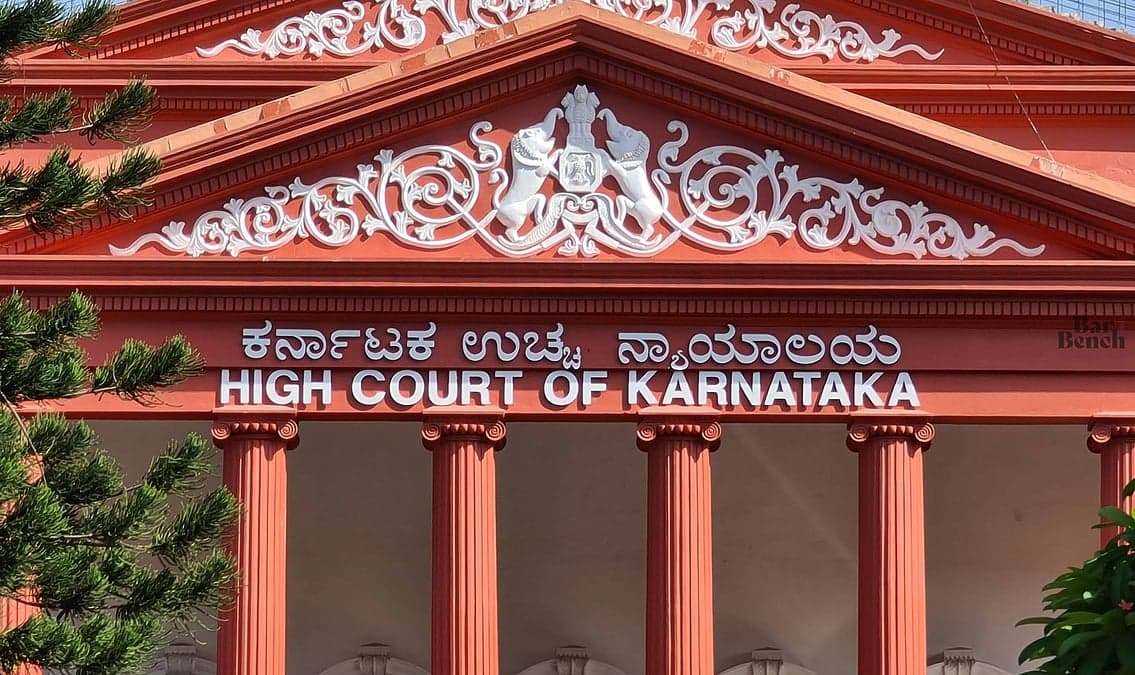
The Karnataka High Court, sitting as a single judge bench presided over by Justice P Sree Sudha, dismissed a petition filed by a father seeking restoration of visitation rights after he had previously relinquished those rights in a mediated settlement reached during divorce proceedings. The court observed that the father had voluntarily agreed to surrender his visitation entitlements as part of the settlement and had thereafter shown unwillingness to assume the financial and emotional responsibilities associated with the child’s upbringing.
Justice P Sree Sudha emphasized that a party cannot resile from a duly executed mediated agreement merely because of a change of heart or convenience. The bench noted that the settlement was arrived at after full disclosure and with the assistance of a neutral mediator, thereby reflecting the informed consent of both parties. The father’s later attempt to revive his claim was viewed as an effort to escape the obligations he had undertaken under the agreement.
The court further highlighted that the child’s welfare remains the paramount consideration in any matter concerning custody or visitation. It pointed out that the father’s avoidance of financial contribution and emotional engagement weighed heavily against granting him any renewed access. The bench reasoned that allowing the father to revisit the settlement would undermine the finality of mediated outcomes and could encourage parties to renege on agreements whenever it suited them.
In arriving at its decision, the bench relied on the principle that mediated settlements, once entered into, carry a presumption of validity unless set aside on grounds of fraud, coercion, or material misrepresentation—none of which were alleged or proved by the father. The court observed that the father’s conduct after the settlement demonstrated a pattern of neglect, thereby reinforcing the view that his request for visitation was not motivated by the child’s best interests but by a desire to avoid parental duties.
The operative outcome of the judgment is a clear denial of the father’s petition for visitation rights. The court directed that the existing mediated settlement shall remain operative and that the father shall continue to be bound by its terms, including the relinquishment of visitation. The judgment serves as a reminder that parties who voluntarily surrender rights in a mediated context cannot later seek to reclaim those rights without demonstrating a substantial change in circumstances that justifies such a departure, particularly when the surrender was linked to an avoidance of parental responsibilities.
Legal practitioners note that the decision reinforces the sanctity of mediated family settlements in Karnataka and underscores the judiciary’s reluctance to permit unilateral withdrawal from such agreements when the withdrawing party has failed to fulfill the attendant obligations. The ruling is expected to influence future disputes where one party attempts to resile from a settlement after having evaded duties tied to the relinquished rights.