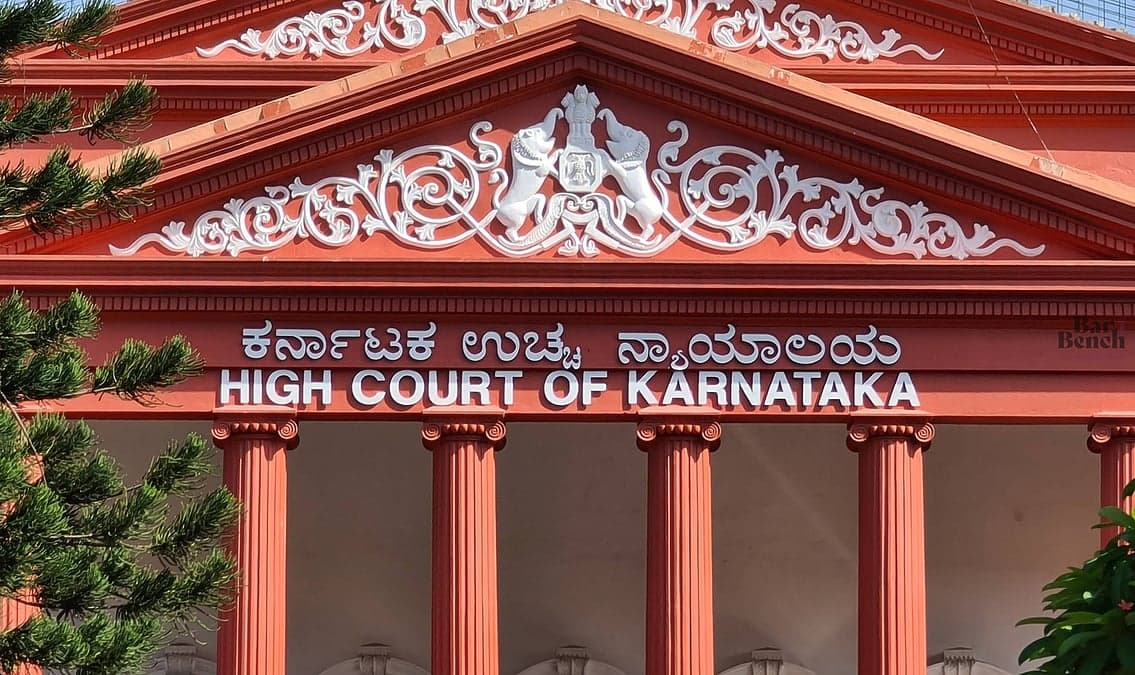
The controversy arose after the Secretary of Hockey Karnataka issued a letter dated 18 June 2026 to the Sports Welfare Officer, declaring seven players ineligible for the 10th Hockey Karnataka League Championships 2026 and the subsequent selection process for the Murugappa Gold Cup Hockey Tournament. The letter was based on the players’ participation in unsanctioned domestic hockey tournaments. The affected players, represented by Advocate Somanna K P, filed a writ petition challenging the impugned letter on the ground that their involvement in unsanctioned events could not attract an automatic ban from domestic state competitions.
Statutory Framework Examined by the Court
The bench, presided over by Justice Suraj Govindaraj, examined the Hockey India Regulations Regarding Sanctioned and Unsanctioned Events dated August 2019. Clause B 1.2.1 of those regulations stipulates that an athlete found to have participated in an unsanctioned event shall be ineligible for twelve months, but only in respect of ‘any international events’. The court noted that the ineligibility prescribed by this clause is expressly limited to international competitions and does not extend to domestic or national tournaments.
Clause 1.2.2 of the same regulations provides that a breach of Clause 1.2 may attract a penalty may be imposed only after proceedings are taken up by the Grievance Redressal Committee. The clause makes clear that there is no provision for automatic disqualification in relation to unsanctioned domestic tournaments; instead, any disciplinary action must follow the procedure laid down for the Grievance Redressal Mechanism.
Article 22 of the Hockey India Bye Laws further mandates the constitution of a Grievance Redressal Committee, which must be chaired by a retired High Court judge or an eminent legal practitioner. The procedure, as outlined in Article 5 of the Rules & Regulations of the Grievance Redressal Committee, requires that upon receipt of a complaint or a suo motu reference, the Committee issue a notice to the concerned player, granting a two‑week period to file an explanation before any disciplinary order can be passed. This process is designed to comply with the principles of natural justice.
Court’s Findings on Procedural Lapses
The court observed that Hockey Karnataka had not constituted a Grievance Redressal Committee, had not issued any notice to the petitioners, and had not conducted any inquiry before declaring the players ineligible. In the absence of the mandatory procedural steps, the court concluded that no valid basis existed for attributing ineligibility to the players.
Justice Suraj Govindaraj emphasised that the court could not determine the players’ eligibility at that stage; the question must be referred to the Grievance Redressal Committee after due notice is served and the players are afforded an opportunity to respond. The bench held that, pending such proceedings, the players cannot be barred from participating in the state league championship.
Operative Direction and Implications
Accordingly, the single‑judge bench partly allowed the writ petition and directed Hockey Karnataka to permit the seven players to take part in the 10th Hockey Karnataka League Championships 2026. The order also implicitly affirms that any future disciplinary action concerning participation in unsanctioned domestic tournaments must adhere strictly to the Grievance Redressal Mechanism, including the issuance of notice and observance of the two‑week reply period.
The decision clarifies the scope of Hockey India’s sanctions regime: automatic disqualification applies only to international events, while domestic breaches require a formal inquiry before any penalty can be imposed. It reinforces the safeguard of natural justice in sports governance and sets a precedent for state associations to follow the prescribed procedure before restricting athletes’ eligibility.