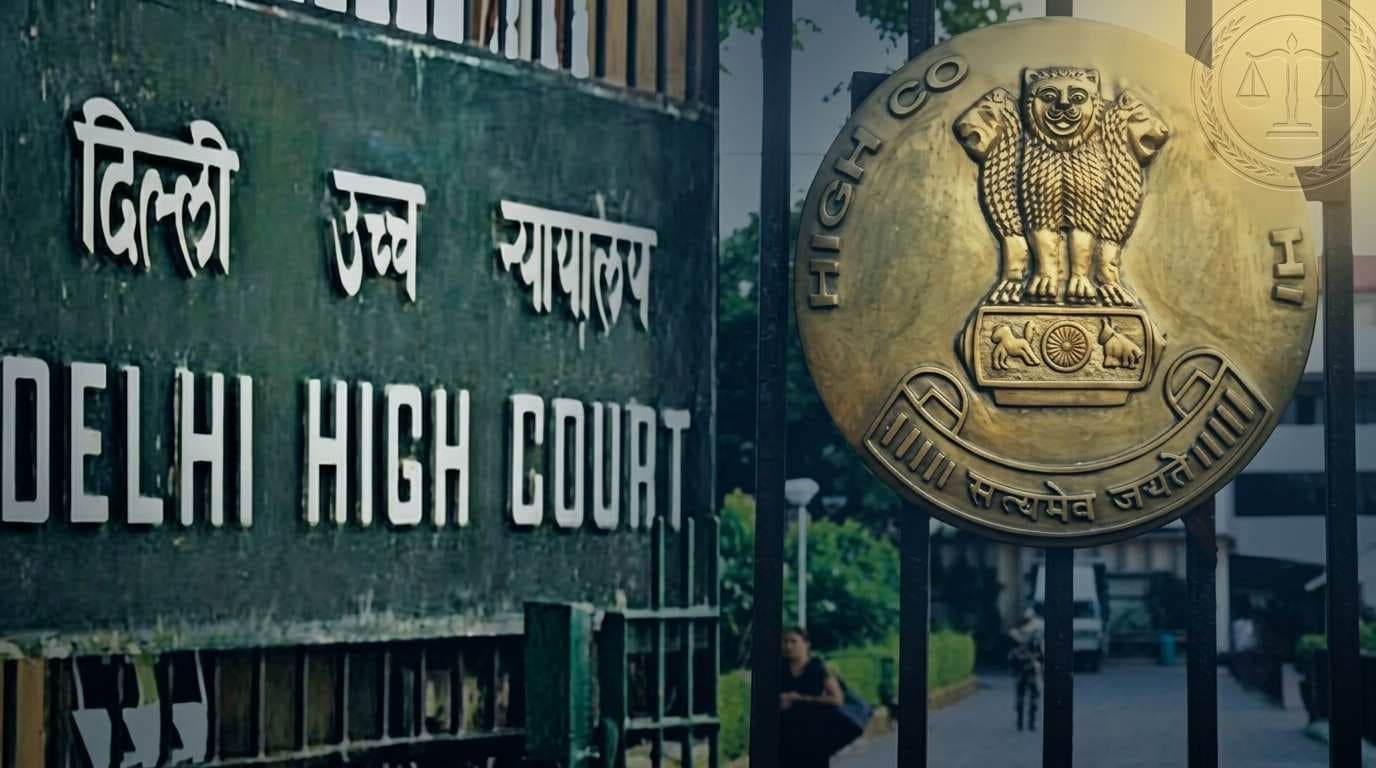
The Additional Sessions Judge Sameer Bajpai presiding over the Karkardooma Courts delivered an order on Saturday rejecting the bail pleas filed by Umar Khalid and Sharjeel Imam in the case relating to the alleged larger conspiracy behind the 2020 North East Delhi riots. The proceedings are registered under the Unlawful Activities (Prevention) Act, 1967 together with various provisions of the Indian Penal Code, 1860.
The judge observed that the question of bail for the two accused is presently governed by a judgment of the Supreme Court dated 5 January 2026. In that order the Supreme Court denied bail to Khalid and Imam while granting bail to several other co‑accused, namely Gulfisha Fatima, Meera Haider, Shifa Ur Rehman, Mohd. Saleem Khan and Shadab Ahmed. The Supreme Court further directed that Khalid and Imam would be at liberty to renew their bail applications only after the examination of the protected witnesses in the case or upon the expiry of one year from the date of the said order, whichever occurs earlier.
Judge Bajpai noted that the issue raised in the Gulfisha Fatima and Syed Iftikhar Andrabi judgment has been referred to a larger bench of the Supreme Court for authoritative clarification. Because the matter remains pending before that larger bench, the trial court held that it cannot entertain the bail applications on any ground. He stated that he has no option but to follow the Supreme Court’s directive and therefore the applications are not maintainable.
In his order the judge quoted the Supreme Court’s observation: “Thus, following the said order of the Hon'ble Supreme Court, this Court cannot entertain the applications and grant bail to the applicants. Infact the applications are not maintainable and they are hereby dismissed.”
During the hearing, senior advocate Trideep Pais appearing for Umar Khalid recounted the procedural history. He submitted that the Supreme Court, while refusing bail, had expressly barred Khalid and Imam from filing fresh bail applications for a period of one year, directing that the interim period be utilised for the examination of protected witnesses. Pais also pointed out that the Supreme Court had granted interim bail to Tasleem Ahmed and Khalid Saifi for six months and had referred the perceived conflict in judgments on UAPA bail when trial is delayed to a larger bench.
Pais urged the court to consider the merits of the case, emphasizing that he has been in continuous custody since his arrest, that there is no recovery of incriminating material, no statement leading to any discovery, that he is not alleged to have committed any act of violence, and that the only video evidence pertains to an event in Amravati seventeen days prior to the riots. He submitted that on these facts he is entitled to bail.
Advocate Talib Mustafa, counsel for Sharjeel Imam, argued that Imam has already undergone substantial incarceration, approaching six years, and that there is no realistic prospect of the trial concluding in the near future. He contended that because other accused persons have been granted relief, similar benefit should extend to Imam.
The prosecution opposed the bail pleas, asserting that the prayer for bail by both accused cannot be entertained prior to the embargo imposed by the Supreme Court order, i.e., not before the examination of protected witnesses or the lapse of one year from that order. The prosecution added that a review petition filed challenging the January 5 Supreme Court order had already been dismissed.
Background to the dispute shows that after the Supreme Court’s January 5 order, a coordinate division bench led by Justice BV Nagarathana expressed reservations about the Gulfisha Fatima judgment, stating that it did not adequately follow the three‑judge bench decision in Union of India v KA Najeeb (2021), which had recognised prolonged delay in trial as a ground for granting bail in UAPA cases. Subsequently, a division bench headed by Justice Aravind Kumar, which had rejected the bail pleas of Khalid and Imam, noted a perceived conflict among different benches regarding the interpretation of the KA Najeeb judgment and referred the question to a larger bench.
Imam’s bail application highlighted that despite more than six months having passed since the Supreme Court’s order, there has been no meaningful progress in the trial, with arguments on the charge still incomplete. He submitted that his continued detention amounts to prolonged incarceration without trial.
The case, FIR 59 of 2020, is being investigated by the Special Cell of Delhi Police. Numerous individuals, including Tahir Hussain, Khalid Saifi, Isharat Jahan, Meeran Haider, Gulfisha Fatima, Shifa‑Ur‑Rehman, Asif Iqbal Tanha, Shadab Ahmed, Tasleem Ahmed, Saleem Malik, Mohd. Saleem Khan, Athar Khan, Safoora Zargar and others, are named as accused in the same proceedings.
The court’s decision leaves Umar Khalid and Sharjeel Imam in judicial custody pending the outcome of the larger bench reference or the completion of the one‑year period stipulated by the Supreme Court, whichever occurs first.