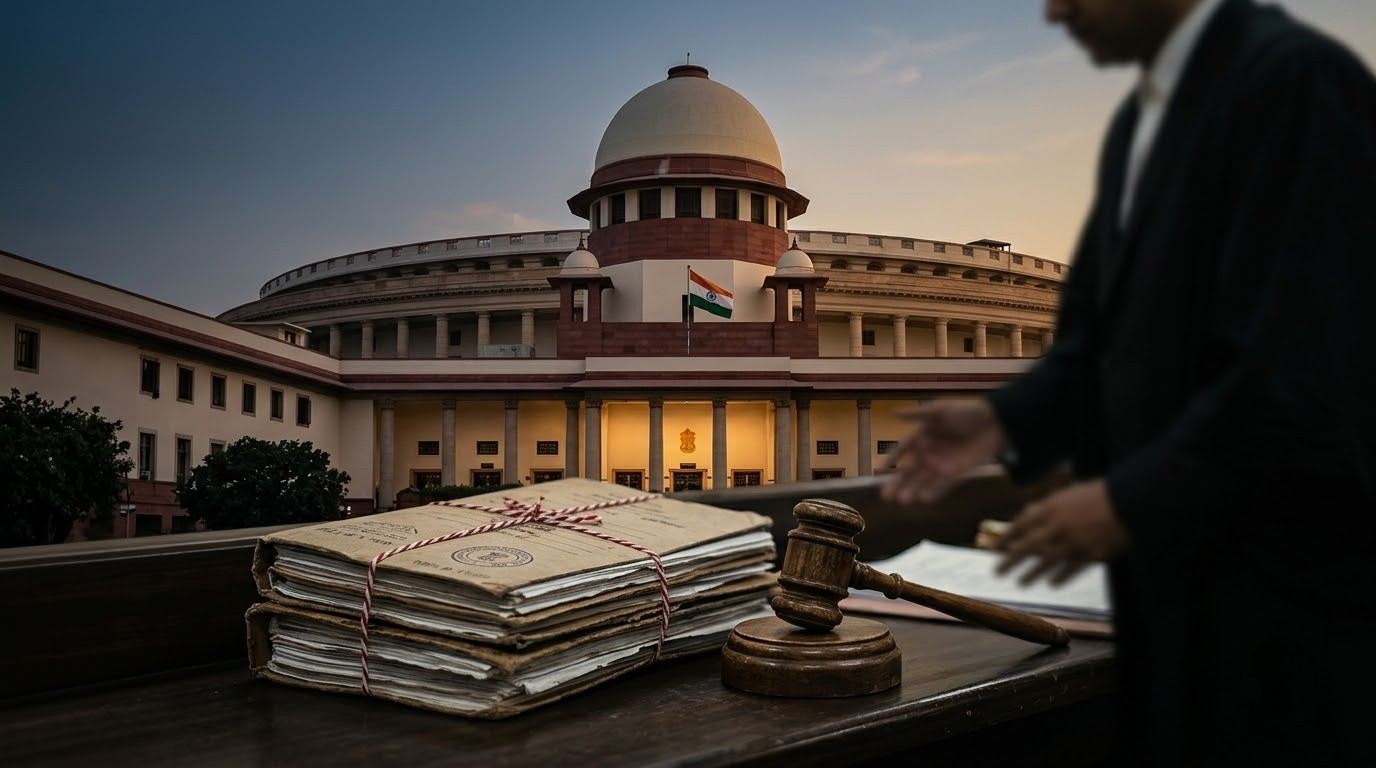
The Supreme Court on Wednesday set aside the Allahabad High Court's orders directing the Central Bureau of Investigation (CBI) and the Enforcement Directorate (ED) to verify allegations that Congress leader Rahul Gandhi possesses assets disproportionate to his known sources of income. A bench led by Chief Justice of India Surya Kant allowed the petition filed by Gandhi challenging the High Court's directions and remitted the matter back to the Allahabad High Court for fresh consideration.
What prompted the Supreme Court to set aside the High Court's directions?
The Supreme Court intervened after the Allahabad High Court issued successive orders mandating the CBI and ED to verify a complaint filed by Karnataka-based BJP worker Vignesh Shishir. The High Court had initially observed that if the complaint had been received, the allegations ought to be verified according to law, adding that the agencies could take appropriate steps permissible under the law. Subsequently, on July 20, the High Court expressed dissatisfaction with the CBI's affidavit, noting it did not comply with the earlier direction, while acknowledging that the ED had taken requisite steps.
Procedural history of the High Court proceedings
The litigation originated from a petition filed by Vignesh Shishir before the Allahabad High Court seeking a direction to central agencies to investigate the alleged disproportionate assets. In an order passed in May, the High Court directed that the allegations in the complaint against the Leader of the Opposition in the Lok Sabha be verified in accordance with law. The court further directed the agencies to apprise it of the progress made in the matter. The subsequent July order reflected the High Court's dissatisfaction with the CBI's response, leading to further judicial monitoring of the agency's actions.
Supreme Court's intervention and remission
Rahul Gandhi approached the Supreme Court challenging the constitutional validity and procedural propriety of the High Court's directions to the investigative agencies. The bench led by the Chief Justice of India found merit in the challenge and set aside the specific directions issued by the High Court to the CBI and ED. By remitting the matter, the Supreme Court restored the High Court's jurisdiction to adjudicate the underlying petition afresh, without the constraint of the earlier directions that had effectively compelled agency action at a preliminary stage.
Authority | Action Taken | Outcome |
|---|---|---|
Allahabad High Court (May Order) | Directed CBI and ED to verify allegations in complaint by Vignesh Shishir; sought progress report. | Set aside by Supreme Court. |
Allahabad High Court (July 20 Order) | Expressed dissatisfaction with CBI affidavit; noted ED had taken steps. | Set aside by Supreme Court. |
Supreme Court (Bench led by CJI Surya Kant) | Allowed Gandhi's petition; set aside High Court directions; remitted matter for fresh consideration. | Matter remitted to Allahabad High Court for fresh adjudication. |
The Supreme Court's decision underscores the procedural safeguards governing the initiation of investigations by central agencies against public figures. By setting aside the High Court's monitoring directions, the apex court has ensured that the complaint is evaluated on its legal merits without prejudging the necessity or scope of agency intervention. The remittal allows the Allahabad High Court to apply its mind independently to the petition, determining whether the allegations warrant a formal inquiry under the applicable statutory frameworks governing the CBI and the ED.