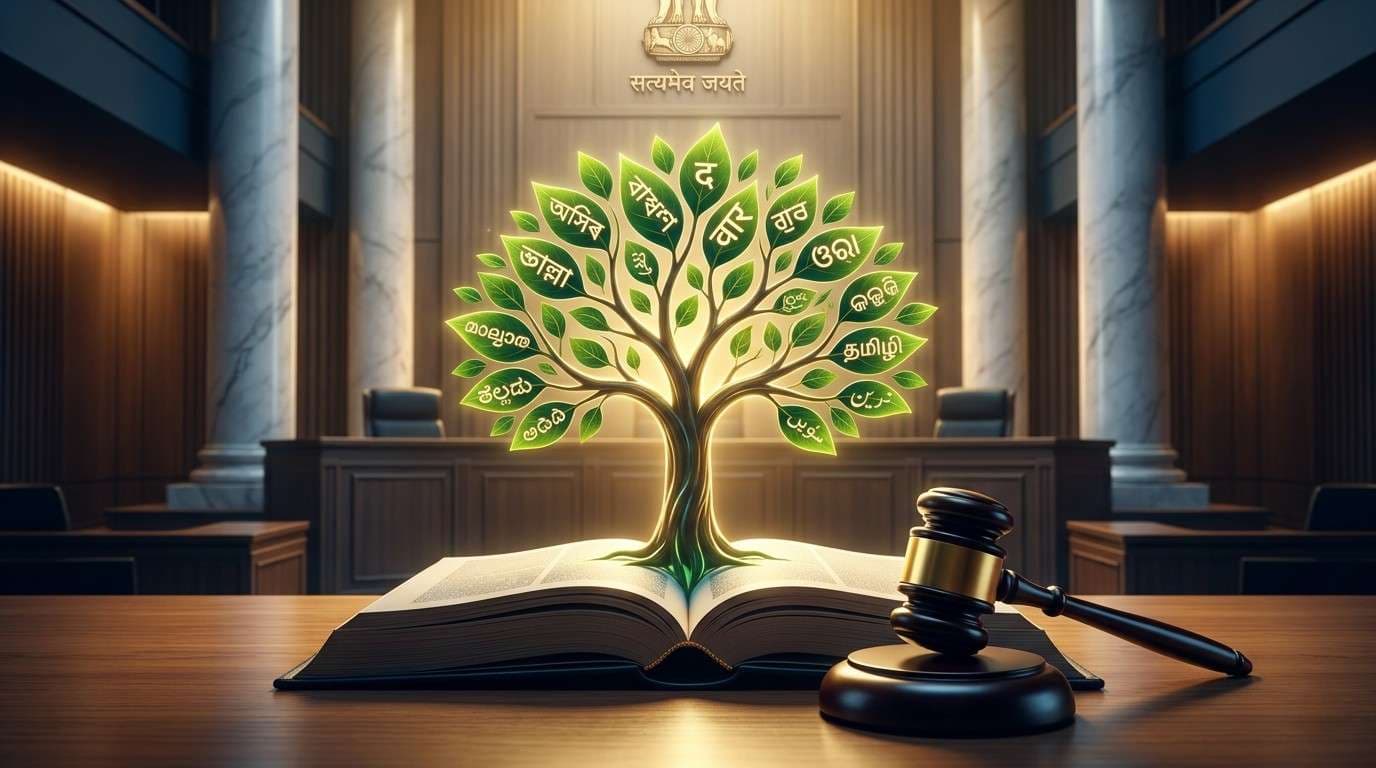
The recent declaration by the Supreme Court of India marks a transformative moment in our constitutional jurisprudence. It has been emphasized that every child possesses a fundamental right to receive education in their mother tongue. This right is now explicitly recognized as being rooted in Article 19(1)(a) of the Constitution, which guarantees the freedom of speech and expression.
This development, captured in the legal update from May 13, 2026, suggests that the choice of language in education is not merely a policy matter but a core expressive right. By linking primary education to Article 19(1)(a), the Court elevates the linguistic heritage of a child to a protected constitutional status. This ensures that a child's earliest form of expression is not suppressed by institutional barriers.
The significance of this ruling cannot be overstated for a diverse nation like India. Education in the mother tongue is often cited by experts as crucial for cognitive development and cultural identity. By framing this as a fundamental right, the Supreme Court provides a legal shield for parents and children who wish to preserve their native linguistic roots within the schooling system.
This interpretation of the Constitution broadens the scope of "expression." It recognizes that how we learn and the language we use to process our first thoughts are intrinsic to our identity. Article 19(1)(a) is no longer just about the right to speak; it is about the right to be nurtured in the language that most naturally facilitates that speech.
Furthermore, this ruling aligns with global educational standards that advocate for mother-tongue-based multilingual education. It challenges the historical dominance of secondary languages in the early years of schooling, ensuring that the transition from home to the classroom is as seamless and psychologically supportive as possible for the child.
From a legal standpoint, this creates a new obligation for educational institutions and state authorities. They must now consider whether their language policies inadvertently infringe upon a child's constitutional right to express themselves through their native tongue. It moves the conversation from "allowance" to "entitlement."
In my view, this is a step toward a more inclusive and psychologically sound educational framework. It empowers marginalized linguistic groups and ensures that no child is penalized for the language they speak at home. The Supreme Court has effectively bridged the gap between cultural preservation and modern fundamental rights.
As we move forward, the implementation of this right will be the next big challenge. However, the constitutional foundation has been firmly laid. Protecting a child’s right to learn in their mother tongue is, at its heart, protecting the very future of diverse expression in India.