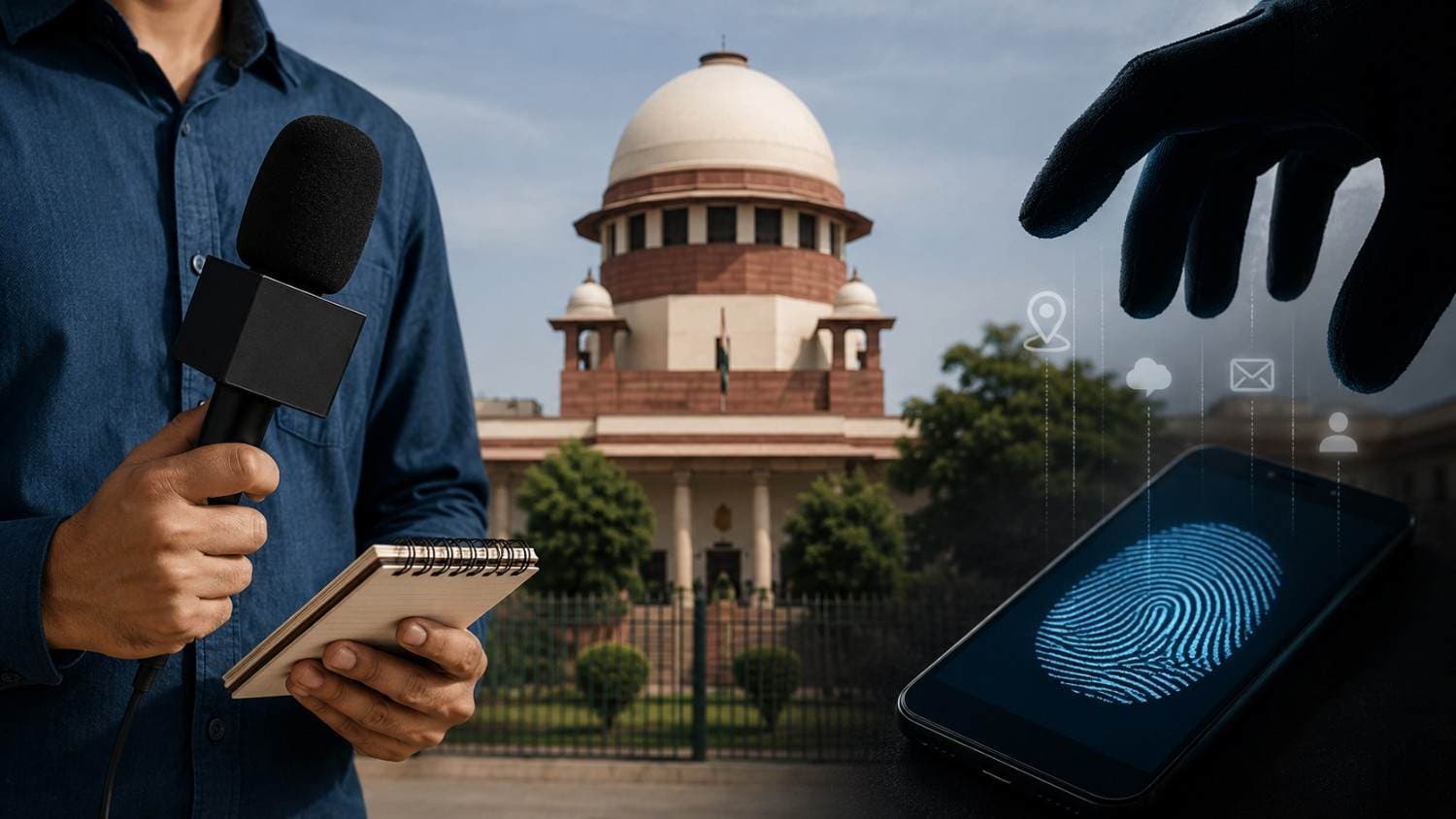
An investigative journalist who uncovered alleged financial irregularities and donation theft related to the Ram Mandir has approached the Supreme Court of India. The move comes in response to police authorities seeking access to his digital footprint and social media activity logs, triggering serious concerns regarding the confidentiality and safety of his news sources.
The journalist had previously received interim protection from the apex court against coercive action in a criminal case registered following the publication of his investigative reports. He maintains that multiple allegations and legal notices filed against him are targeted actions designed to intimidate him for exposing administrative irregularities.
During the proceedings before a bench headed by the Chief Justice of India, the journalist's counsel highlighted that law enforcement authorities issued formal requests to social media platform X (formerly Twitter) demanding complete digital logs and communication history dating back several months.
Legal representatives argued that the timeframe covered by the digital request matches the exact period when the journalist was gathering evidence, verifying records, and consulting sources for the donation theft investigation. Consequently, granting access to such detailed data would compromise confidential informants and expose them to administrative harassment.
The defense also pointed out the disconnect in the police's timeline, noting that the unrelated complaint used as the basis for the investigation occurred much later than the period for which digital data was demanded. This discrepancy reinforces the argument that the digital records are being sought to identify journalistic sources rather than investigate the specific registered complaint.
The fundamental right of journalists to protect their sources remains a critical pillar of investigative reporting and press freedom. The plea underscores that forcing tech platforms to surrender background digital information undermines whistleblower safety and compromises independent reporting on public institutions.
The Supreme Court bench acknowledged the gravity of the concerns regarding source confidentiality and digital surveillance. The top court agreed to examine the application alongside the ongoing proceedings concerning the journalist's protection from coercive police action.
The matter is scheduled for further hearing, with the court expected to review responses from the state administration on whether investigative agencies can seek broad social media footprints of journalists covering sensitive public matters.