The Bar Council of Delhi (BCD) conducted its elections for 23 elected seats on 21, 22 and 23 February 2026 under the preferential voting system. A total of 221 candidates contested the poll. During the counting process, allegations of ballot tampering emerged, leading to litigation before the Delhi High Court. On 6 June 2026 a division bench of the Court refused to direct a fresh election, holding that the discovery of tampered ballot papers during the elimination rounds did not vitiate the entire electoral process and therefore did not warrant a re‑poll. Subsequently the Supreme Court permitted the completion of the vote count but directed that the results not be notified without its prior approval.
In the aftermath of the counting, the BCD issued show cause notices to Rajiv Khosla, former President of the Delhi High Court Bar Association, and three other advocates. The notices alleged that the advocates had forcibly prevented the returning officer, Justice Talwant Singh, and other officials from entering the counting venue and had used abusive language. The BCD contended that these actions amounted to professional misconduct warranting disciplinary measures, including a possible suspension of their licence to practise for three years. On 26 April 2026 the BCD passed an order suspending the advocates and barring them from entering the precincts of the Delhi High Court.
Rajiv Khosla and the three other advocates filed a joint petition challenging the BCD’s suspension order. They contended that the show cause notices were issued without affording them a reasonable opportunity to be heard and that the allegations were based on unverified claims. The petitioners sought an interim stay of the suspension and the restriction on entry to the High Court premises.
The matter was heard by Justice Amit Bansal. After hearing the submissions of the petitioners and the counsel for the BCD, the Court passed an order staying the suspension imposed by the BCD on 26 April 2026. The stay also encompassed the direction prohibiting the advocates from entering the High Court precincts.
Justice Amit Bansal noted that the impugned order of the BCD was passed pursuant to show cause notices that did not provide the advocates with adequate particulars of the alleged misconduct. The Court observed that the principle of natural justice requires that a party facing disciplinary action must be informed of the specific charges and be given a meaningful opportunity to defend themselves. In the present case, the notices merely stated that the advocates had ‘forcibly stopped’ the returning officer and used abusive language without detailing the incidents, dates or witnesses.
The Court further observed that the BCD’s order to bar the advocates from the High Court premises appeared to be a punitive measure that exceeded the scope of the disciplinary authority conferred upon the Council under the Advocates Act, 1961. While acknowledging the seriousness of maintaining decorum during electoral processes, Justice Bansal emphasised that any restriction on an advocate’s right to practice must be proportionate and based on a fair inquiry.
In balancing the interests, the Court held that the prima facie case made out by the petitioners warranted an interim stay to prevent irreparable prejudice to their professional rights while the matter is examined in detail. The Court clarified that the stay does not constitute a finding on the merits of the allegations and that the BCD remains at liberty to proceed with a proper disciplinary inquiry after providing the advocates with adequate notice and an opportunity to be heard.
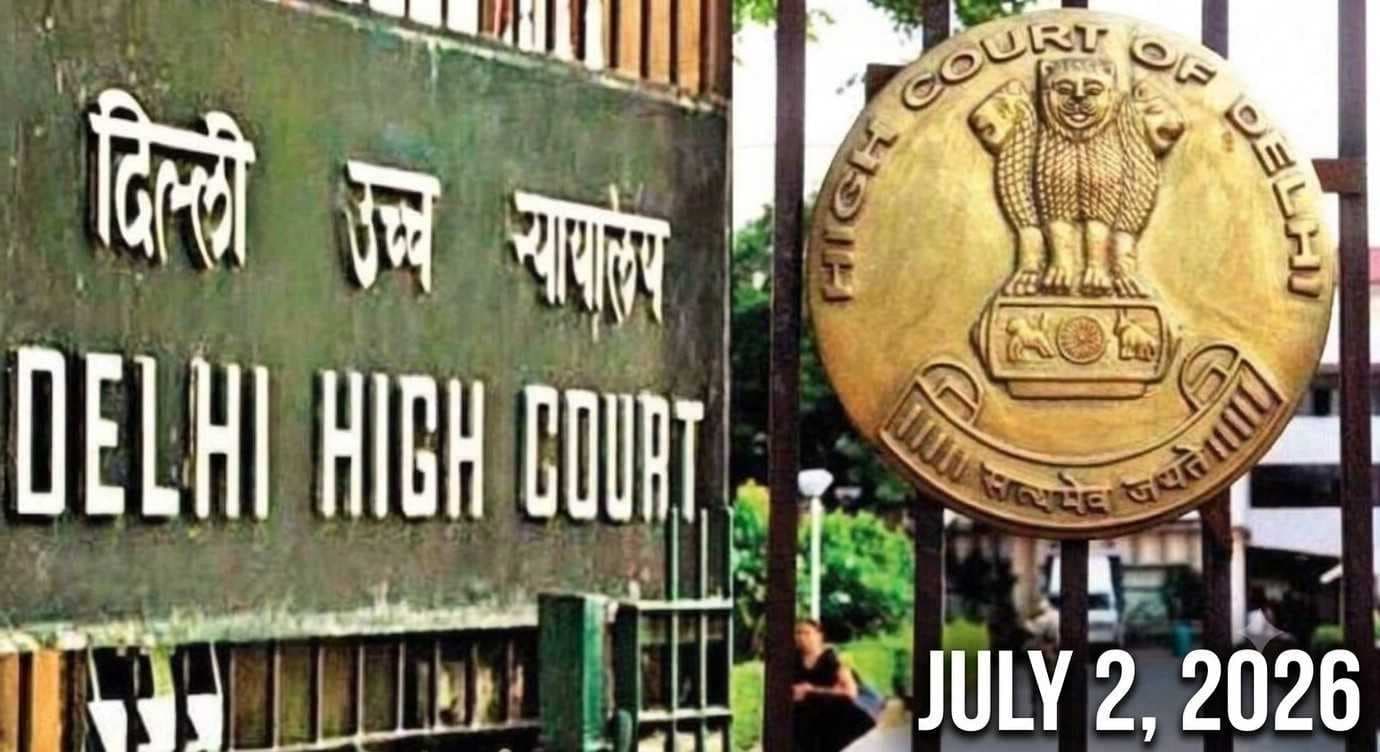
Accordingly, the Delhi High Court has stayed the suspension order of the Bar Council of Delhi dated 26 April 2026 in respect of Rajiv Khosla and the three other advocates. The stay also lifts the restriction on their entry to the Delhi High Court premises. The matter has been listed for further hearing in October 2026, during which the BCD will be required to furnish a detailed show cause notice and afford the petitioners a proper hearing in accordance with the principles of natural justice.