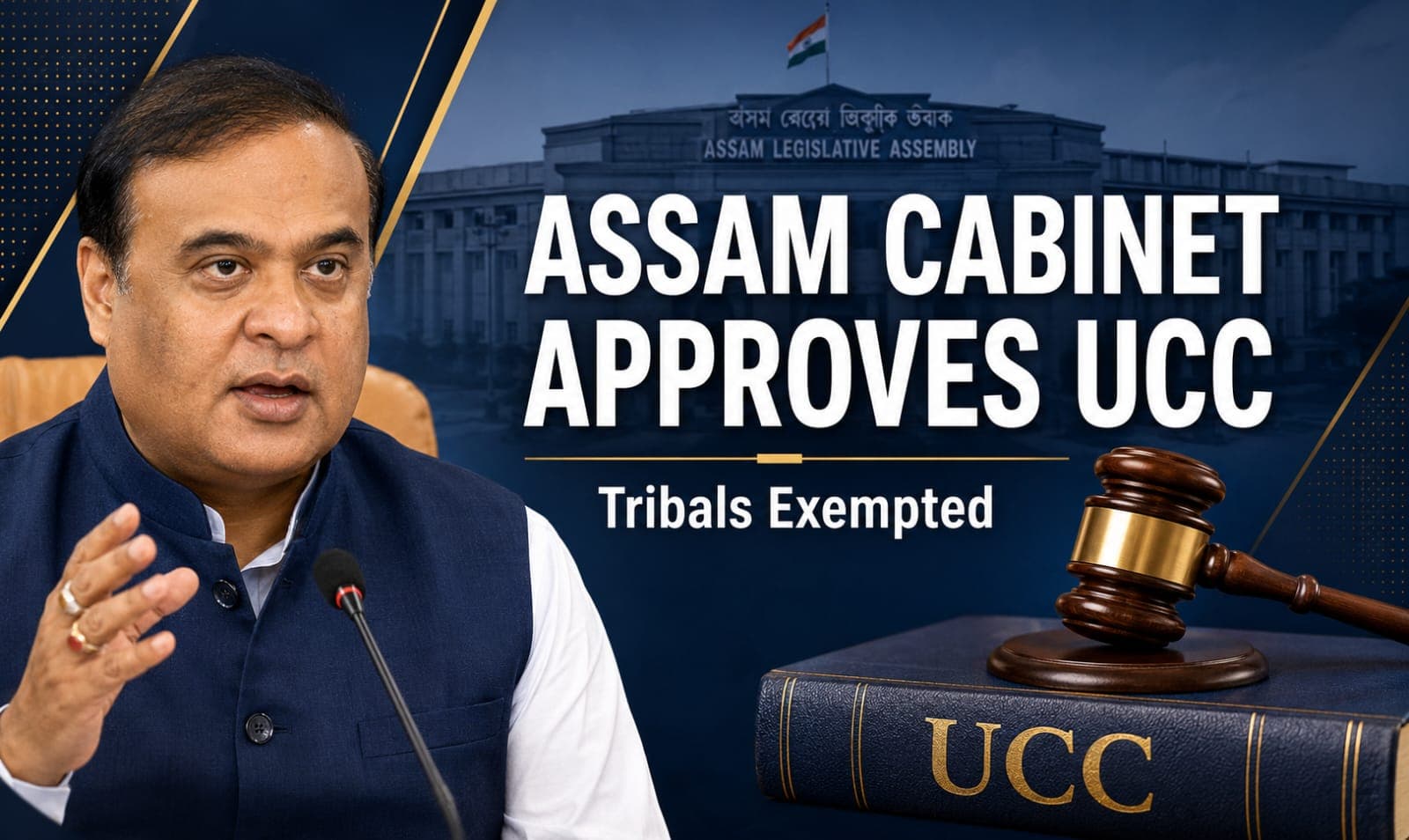
In a significant move following the recent assembly elections, the Assam Cabinet, led by Chief Minister Himanta Biswa Sarma, has officially approved the implementation of the Uniform Civil Code (UCC) in the state. This decision, taken during the first cabinet meeting of the new term, marks a major step toward fulfilling one of the key electoral promises made by the ruling government.
Assam is now set to become the third state in India following Uttarakhand and Gujarat to move toward a unified legal framework for personal matters such as marriage, divorce, inheritance, and adoption.
While the state has looked toward the Uttarakhand model for inspiration, Chief Minister Sarma has consistently maintained that the "Assam Model" will have unique features tailored to the state’s specific social fabric. A crucial highlight of the approved proposal is the exemption of tribal communities. Recognizing the unique traditions and protected status of indigenous tribes in the Northeast, the government has decided to keep them outside the ambit of the UCC to preserve their customary laws.
The legal landscape in Assam has already been shifting toward these reforms. Late last year, the state passed the Assam Prohibition of Polygamy Bill, which sought to criminalize the practice of having more than one spouse. The Cabinet's recent approval of the UCC is seen as the final "front door" entry for these reforms.
Legal experts suggest that the primary goals of the Assam UCC are:
- Standardization of Marriage Laws: Ensuring a legal minimum age for marriage across all communities to combat child marriage.
- Banning Polygamy: Implementing a total ban on polygamy regardless of religious affiliation.
- Inheritance Rights: Providing equal property and inheritance rights to women.
- Registration of Relationships: Making the registration of marriages and potentially live-in relationships mandatory.
From a legal standpoint, the repeal of the Assam Muslim Marriages and Divorces Registration Act, 1935 earlier this year was the first major indicator of this transition. By moving toward the UCC, the state government aims to replace religion-specific personal laws with a common civil code.
The move has sparked a wide range of reactions. While proponents argue that it promotes gender equality and constitutional secularism, some opposition leaders and activists have raised concerns about the impact on the state's diverse cultural and religious plurality.
With the Cabinet's approval secured, the draft Bill is expected to be introduced in the upcoming session of the Assam Legislative Assembly. Once passed and granted gubernatorial or presidential assent, the law will fundamentally change how personal legal matters are handled in the state.
As the government moves forward, the legal fraternity will be closely watching the specific "tweaks" mentioned by the Chief Minister to see how the law balances constitutional uniformity with the diverse traditions of Assam.