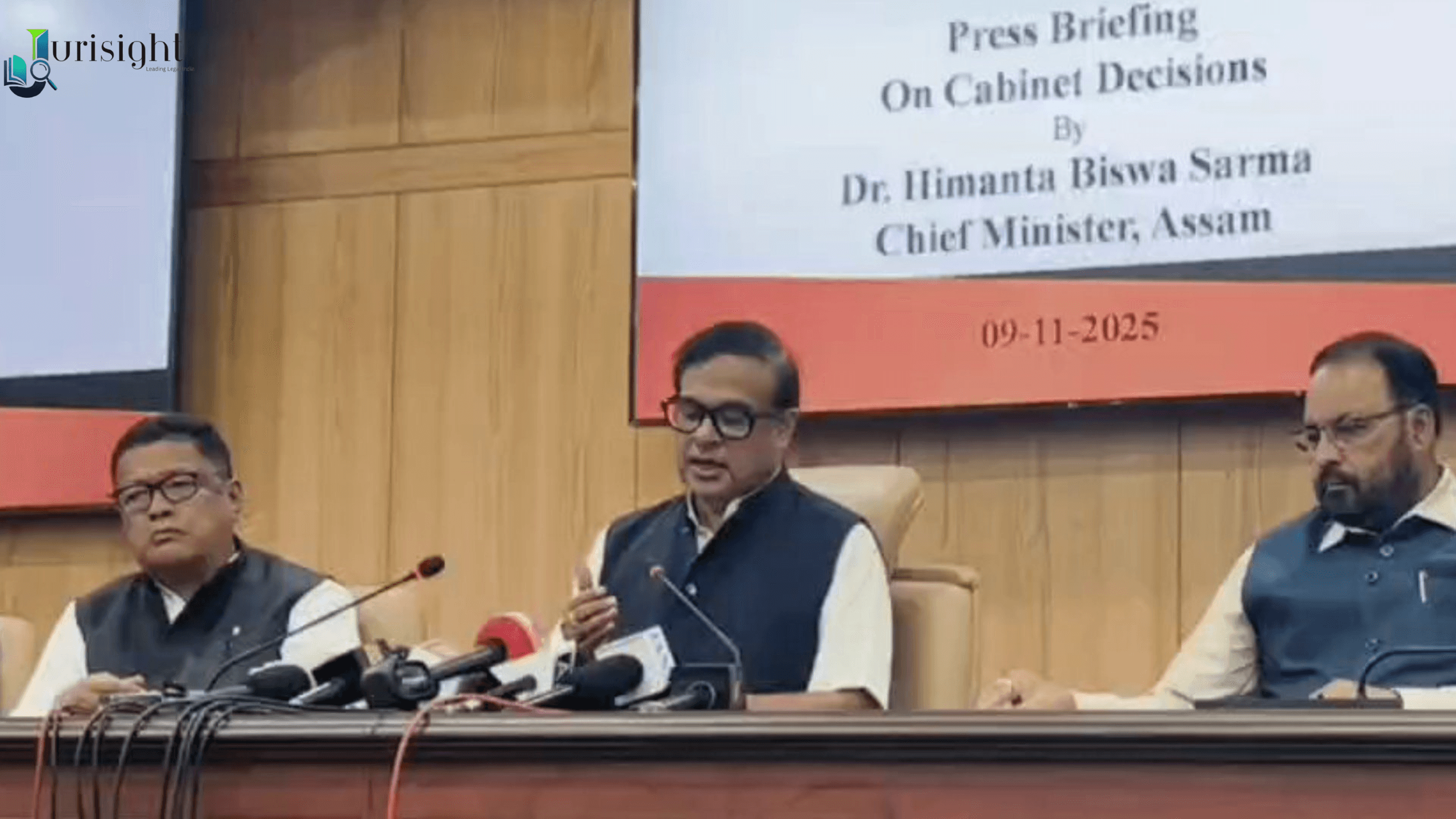
Guwahati: The Assam Cabinet, chaired by Chief Minister Himanta Biswa Sarma, on Sunday approved the draft of “The Assam Prohibition of Polygamy Bill, 2025,” marking a significant step toward banning the practice of having multiple spouses across the state. The proposed legislation, which is scheduled to be tabled during the upcoming Winter Session of the Assam Legislative Assembly on November 25, introduces strict penal provisions and a mechanism to support women affected by polygamous marriages.
Salient Features and Penal Provisions
The Bill aims to prohibit any person from entering into a second or subsequent marriage while a previous marriage is still legally valid, dissolved, or annulled. The key provisions, as announced by the Chief Minister, are designed to act as a strong deterrent against the social practice:
1. Rigorous Imprisonment: Any individual found guilty of practicing polygamy under the new law may face a sentence of up to seven years of rigorous imprisonment.
2. Cognizable and Non-Bailable Offence: To ensure immediate legal action, the offence of polygamy under the Bill has been classified as cognizable. This means police officers will be empowered to make an arrest without a judicial warrant. Furthermore, the offence will restrict the immediate grant of bail to the accused.
3. Compensation Fund for Victims: Recognizing the economic and social hardships faced by women, the Bill mandates the creation of a special compensation fund. This fund will provide financial assistance to women who are victims of polygamous marriages, including those who may have been unknowingly married to a person with a living spouse or those abandoned by their husbands. The specific quantum and eligibility criteria for this compensation will be finalized when the rules of the Act are framed.
Crucial Exemptions Under the Bill
The legislation has been carefully framed to respect the constitutional protections granted to certain communities and areas within the state, introducing specific exemptions:
- Scheduled Tribes (ST) Population: The Bill will not apply to the Scheduled Tribe population of Assam, who are permitted to follow their customary laws and practices regarding marriage.
- Sixth Schedule Areas: The law will not be immediately implemented in the autonomous districts governed under the Sixth Schedule of the Constitution, including the Bodoland Territorial Council, Karbi Anglong, and Dima Hasao. These areas enjoy specific constitutional autonomy to preserve their unique tribal customs.
- Historical Exemption: Chief Minister Sarma clarified that minority Muslims residing in Sixth Schedule areas prior to the year 2005 will also be exempted from the punitive measures of this Bill.
Government’s Rationale
In his address to the media, Chief Minister Himanta Biswa Sarma underscored the government's intention to foster gender justice and streamline societal norms.
"The Bill has been framed with the avowed objective to streamline the society and to save the society from the scourge of such practices," Sarma stated. He emphasized that the proposed legislation is a crucial measure towards women's empowerment, ensuring dignity and reducing the vulnerability of women who often suffer immense pain and hardship due to polygamous unions.
Once passed by the Assembly and notified, the Assam Prohibition of Polygamy Act, 2025, will make Assam one of the first states in India to enforce a dedicated, comprehensive state law criminalizing the practice, aligning with the broader constitutional principles of equality and justice.