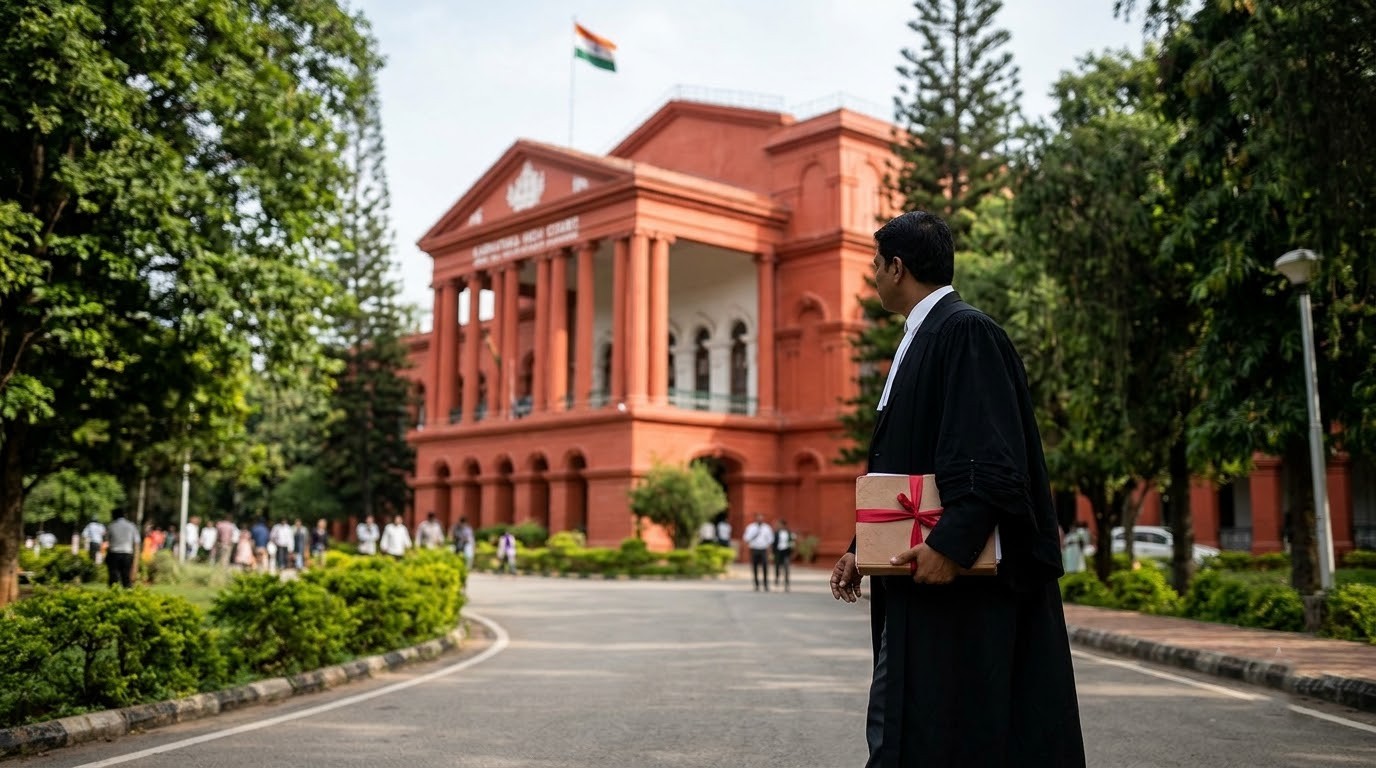
The Karnataka High Court has dismissed a criminal petition filed by politician and former Union Minister Maneka Sanjay Gandhi, which sought to set aside criminal defamation proceedings and trial court summons pending against her. The underlying dispute originates from a private complaint lodged by S.K. Mittal, who alleged the commission of offences punishable under Sections 499 and 500 of the Indian Penal Code. The trial court initially dismissed the private complaint on November 16, 2019. Aggrieved by the dismissal, the complainant preferred a criminal revision petition before the Sessions Court. On June 30, 2025, the Sessions Court allowed the revision petition, set aside the dismissal order, and remanded the matter back to the trial court for a fresh evaluation. Upon reconsideration, the trial court took cognizance of the offence and issued process against the accused.
Can an accused approach the High Court directly without filing a revision petition before the Sessions Court?
The Karnataka High Court held that the petitioner is required to approach the Sessions Court by filing a revision petition against the trial court order, while clarifying that the Sessions Court must independently assess the merits of the case based on the complaint and recorded statements without being influenced by its earlier remand order.
Challenging the issuance of process, the counsel representing Maneka Gandhi contended that the trial court was overly influenced by observations made by the Sessions Judge during the earlier revision proceedings. The counsel further submitted that the petitioner lacked an efficacious remedy under Section 438 of the Bharatiya Nagarik Suraksha Sanhita, arguing that invoking the jurisdiction of the High Court was justified because filing a revision before the same Sessions Court that directed fresh consideration would prove to be a futile exercise.
Justice Anant Ramanath Hegde declined to quash the ongoing criminal proceedings. Addressing the concerns raised regarding the objectivity of the Sessions Court, the High Court observed that the jurisdictional Sessions Court, should a revision petition be filed by the accused, is mandated to examine all aspects and issue appropriate orders in accordance with the law. The bench further clarified that the lower court must independently evaluate the correctness of the summoning order by examining the contents of the complaint, the recorded statements, and any documents placed before the trial court. Furthermore, the High Court explicitly instructed that the Sessions Court must not be influenced by its own previous order dated June 30, 2025.
Stage of Proceedings | Forum / Authority | Action / Order Passed |
|---|---|---|
Initial Complaint | Trial Court | Dismissed the private complaint on November 16, 2019. |
First Revision | Sessions Court | Set aside dismissal on June 30, 2025, and remanded the matter. |
Post-Remand | Trial Court | Took cognizance and issued process/summons. |
High Court Petition | Karnataka High Court | Dismissed quashing plea, stayed summons for two weeks. |
To accommodate the petitioner, who is a senior citizen and a resident of Delhi, the High Court granted a limited protection order. The operation of the trial court summons was stayed for a period of two weeks to enable the petitioner to file a revision petition before the Sessions Court. Additionally, the court ordered that the duration spent pursuing the matter before the High Court will be excluded when calculating the limitation period for filing the revision petition.