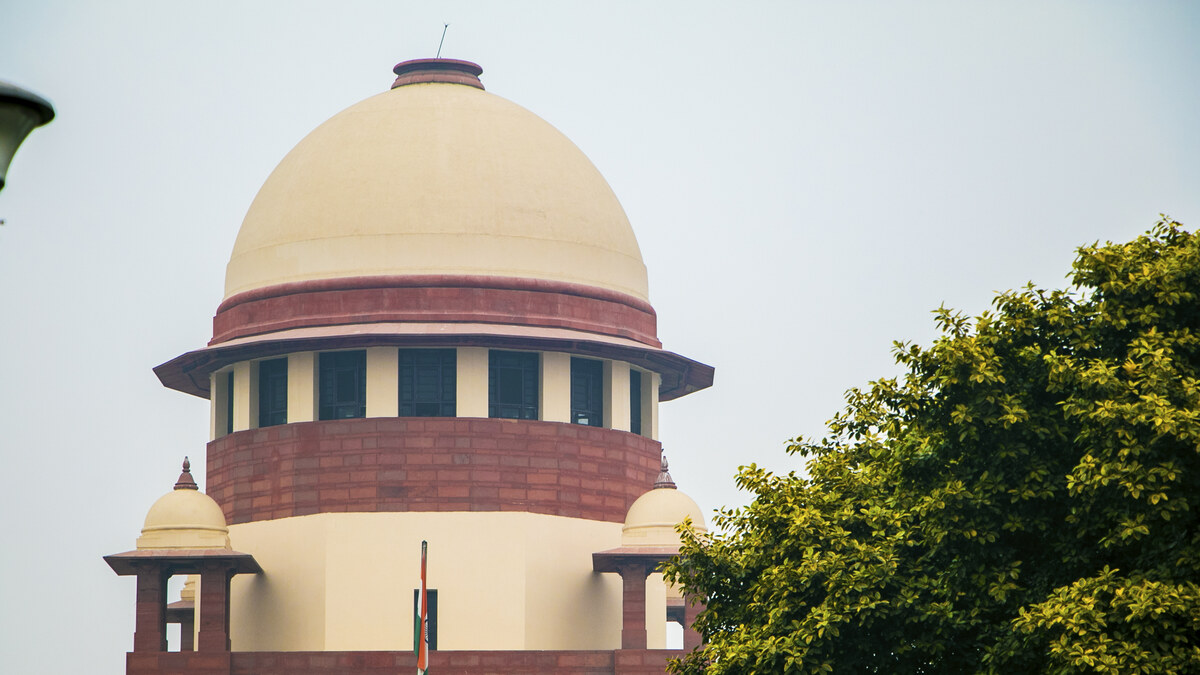
Axis Trustee Services has moved the Supreme Court on behalf of Yes Bank’s Additional Tier 1 (AT-1) bondholders, seeking enforcement of the October judgment that upheld the setting aside of the ₹8,415 crore write-off. The trustee says it filed the contempt petition on 6 November and informed bondholders on 11 November.
What the bondholders are asking for
The trustee alleges that Yes Bank has yet to explain how it will reactivate the bonds and give effect to the judgment. It is asking the Supreme Court to direct compliance. Before the filing, Yes Bank rejected the allegation of wilful disobedience and said it was examining the judgment. The contempt allegations are the trustee’s case and remain to be adjudicated.
What the Supreme Court decided in October
On 15 October 2026, the Supreme Court dismissed appeals by Yes Bank, the Reserve Bank of India and the Union government against the Bombay High Court’s 2023 judgment setting aside the write-off. The Court held that the bank’s administrator lacked authority to write down the bonds after the final reconstruction scheme took effect. The Union government had left the proposed write-down provision out of the final scheme.
The dispute concerns two AT-1 bond issuances, of ₹3,000 crore and ₹5,415 crore. Banks issue these instruments as part of their regulatory capital, and the terms allow them to absorb losses in specified circumstances. The October judgment turned on who had the power to order the write-down and when that power could be exercised. The contempt petition now concerns how the judgment is to be implemented.
Photo: Subhashish Panigrahi, cropped, CC BY-SA 4.0.
Read the Supreme Court judgment of 15 October 2026 (2026 INSC 1132, PDF)