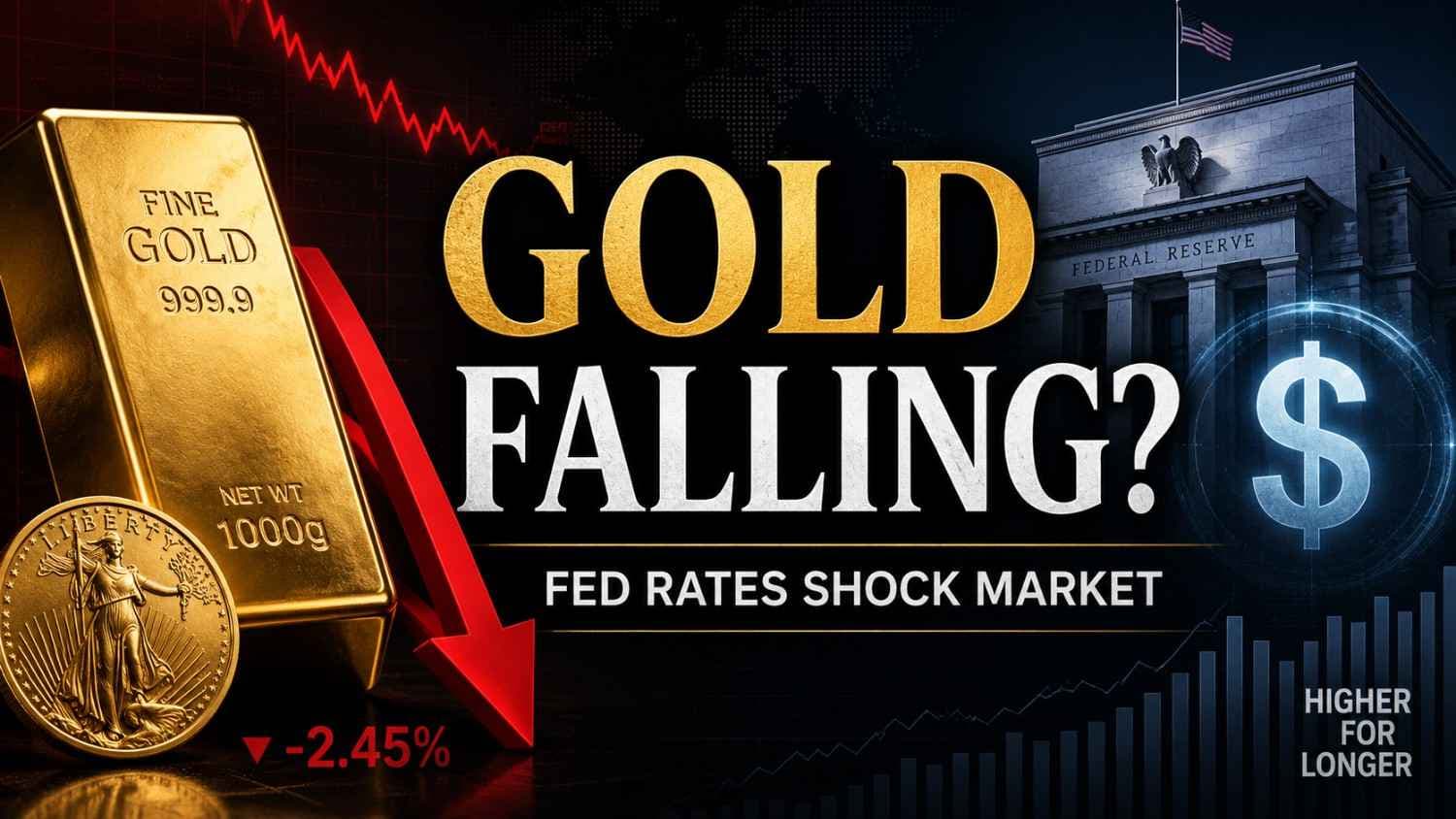
The shimmering appeal of gold has hit a recent speed bump as the latest economic data from the United States suggests that inflation isn't cooling down as quickly as investors had hoped. For months, the market was fueled by the anticipation of early interest rate cuts, but a "stalled" inflation narrative has forced a reality check. As the U.S. Dollar gains strength, gold—traditionally a safe-haven asset—is seeing a notable dip in price.
At the heart of this movement is the Consumer Price Index (CPI). Recent reports indicate that while inflation has dropped significantly from its peak, the "last mile" toward the Federal Reserve’s 2% target is proving difficult. With core inflation figures remaining stickier than expected, the Federal Reserve has signaled that they are in no rush to lower borrowing costs. For gold, which pays no interest, high-for-longer interest rates are a significant headwind.
When interest rates remain high, government bonds and savings accounts become more attractive to investors because they offer a guaranteed yield. In contrast, holding gold incurs an "opportunity cost"—the profit you miss out on by not having your money in an interest-bearing account. Consequently, as expectations for a June or July rate cut fade, many traders are rotating out of gold and back into the dollar and Treasury notes.
Another factor weighing on the yellow metal is the resilience of the U.S. economy. Despite aggressive rate hikes over the past two years, the labor market remains tight and consumer spending continues to hold up. This economic strength gives the Fed "breathing room" to keep rates elevated without immediately triggering a recession. As long as the economy avoids a hard landing, the urgency for investors to flock to gold as a safety net diminishes.
Geopolitical tensions, which typically provide a floor for gold prices, are also seeing a period of relative stabilization. While global risks remain, the lack of a fresh "black swan" event means that speculative buyers aren't currently rushing to drive prices back to record highs. Without a new catalyst for fear, the market's focus has shifted almost entirely back to the Fed’s dot plot and upcoming economic releases.
So, where does gold go from here? Market analysts are closely watching the $2,300 per ounce support level. If inflation data continues to surprise on the upside, we could see further technical selling as bulls lose patience. However, many long-term investors still view these dips as buying opportunities, banking on the eventual (if delayed) pivot by the Federal Reserve later this year or in 2025.
For the average investor, this volatility serves as a reminder that gold is highly sensitive to the "real yield" of the dollar. While gold remains a vital tool for portfolio diversification and a hedge against long-term currency devaluation, its short-term performance is currently a hostage to the Fed's battle against inflation.
In conclusion, the current dip in gold prices isn't necessarily a sign of a crash, but rather a recalibration. The market is adjusting to a world where "higher for longer" is the new mantra. Until we see a definitive cooling in U.S. inflation or a pivot in Fed rhetoric, gold may continue to trade sideways or experience further downward pressure. Keeping a close eye on the next CPI print will be crucial for anyone looking to time their next move in the precious metals market.