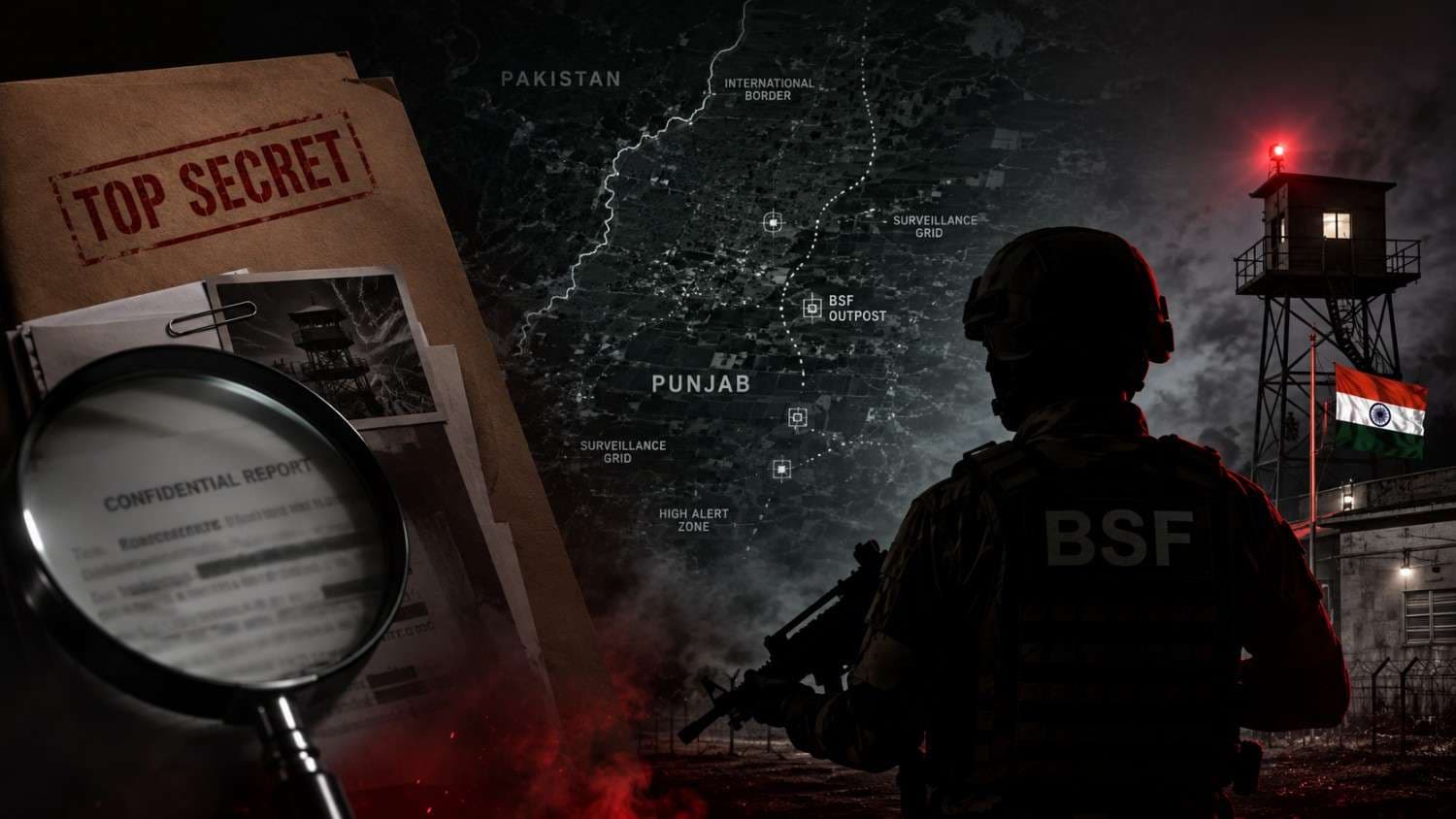
The quietude of Punjab’s borderlands was shattered recently by the reverberations of twin explosions, specifically targeting the bedrock of our national security: the BSF and Army installations. These were not merely physical blasts but calculated psychological strikes aimed at the very institutions that guard the Republic’s periphery. In the cold light of the aftermath, the emergence of a Khalistan-aligned group claiming responsibility has transformed a local security breach into a profound geopolitical alarm, signaling that the embers of radicalism are being fanned by invisible hands once again.
This orchestrated aggression against the Border Security Force and military assets marks a daring escalation in the "low-intensity" warfare that has plagued the region. By selecting targets of such high symbolic and operational value, the perpetrators have moved beyond the periphery of civil unrest into the heart of strategic defiance. It suggests a level of logistical sophistication and intelligence gathering that cannot be ignored—a chilling reminder that the frontier is as much a digital and ideological battleground as it is a physical one.
The claim of responsibility from extremist factions serves as a grim manifesto of intent. It is an attempt to resurrect a narrative of secessionism that the modern, progressive Punjab had long ago sought to inter, replacing the plow with the pipe bomb. The timing is particularly surgical; as the nation navigates complex global alignments, these internal tremors are designed to force a defensive pivot, testing the resilience of our intelligence apparatus and the social fabric of the border state.
Strategically, these blasts represent a "probing" maneuver—a test of response times, surveillance gaps, and political fortitude. The shift from targeting soft civilian spots to hardened military outposts indicates a change in the adversary's risk appetite. It forces us to confront a difficult reality: the border is no longer just a line on a map to be patrolled, but a porous entry point for a hybrid brand of terror that utilizes modern technology to bypass traditional defensive cordons.
The regional implications are equally heavy. Punjab, with its historical scars and economic significance, remains a sensitive theater. Any disruption here sends ripples through the national economy and the collective psyche. The objective of such extremist claims is often to incite a disproportionate state response, which can then be weaponized in the theater of international propaganda. Navigating this requires a surgical precision—crushing the militant cell while ensuring the citizenry remains unalienated and secure.
Behind the smoke and the claims of responsibility lies the specter of external sponsorship. No extremist movement in a border state operates in a vacuum; the logistical trail often leads across the fence, where instability in India is viewed as a strategic dividend. The use of explosive devices against military bases suggests a supply chain of high-grade material and technical expertise that points toward a "State-plus" level of support, demanding a diplomatic and tactical counter-offensive that transcends domestic policing.
As the investigation unfolds, the focus must shift toward a total integration of technical intelligence and grassroots human networks. The era of reactive security is over; the nature of these twin blasts demands a predictive model of defense. We must decode not just the chemical composition of the explosives, but the digital footprints of the radicalization that preceded the strike. The message from the frontier is clear: the guardians of the wall must be as adaptive as the shadows that seek to undermine them.
In the final analysis, these blasts are a test of national character. The resilience of the BSF and the Army is beyond question, but the political and social response will define the longevity of this threat. To stay "hooked" to this developing story is to monitor the pulse of the nation's security. Punjab has seen the dark winter of extremism before; the current challenge is to ensure that these twin sparks do not ignite a fire that the future cannot extinguish.