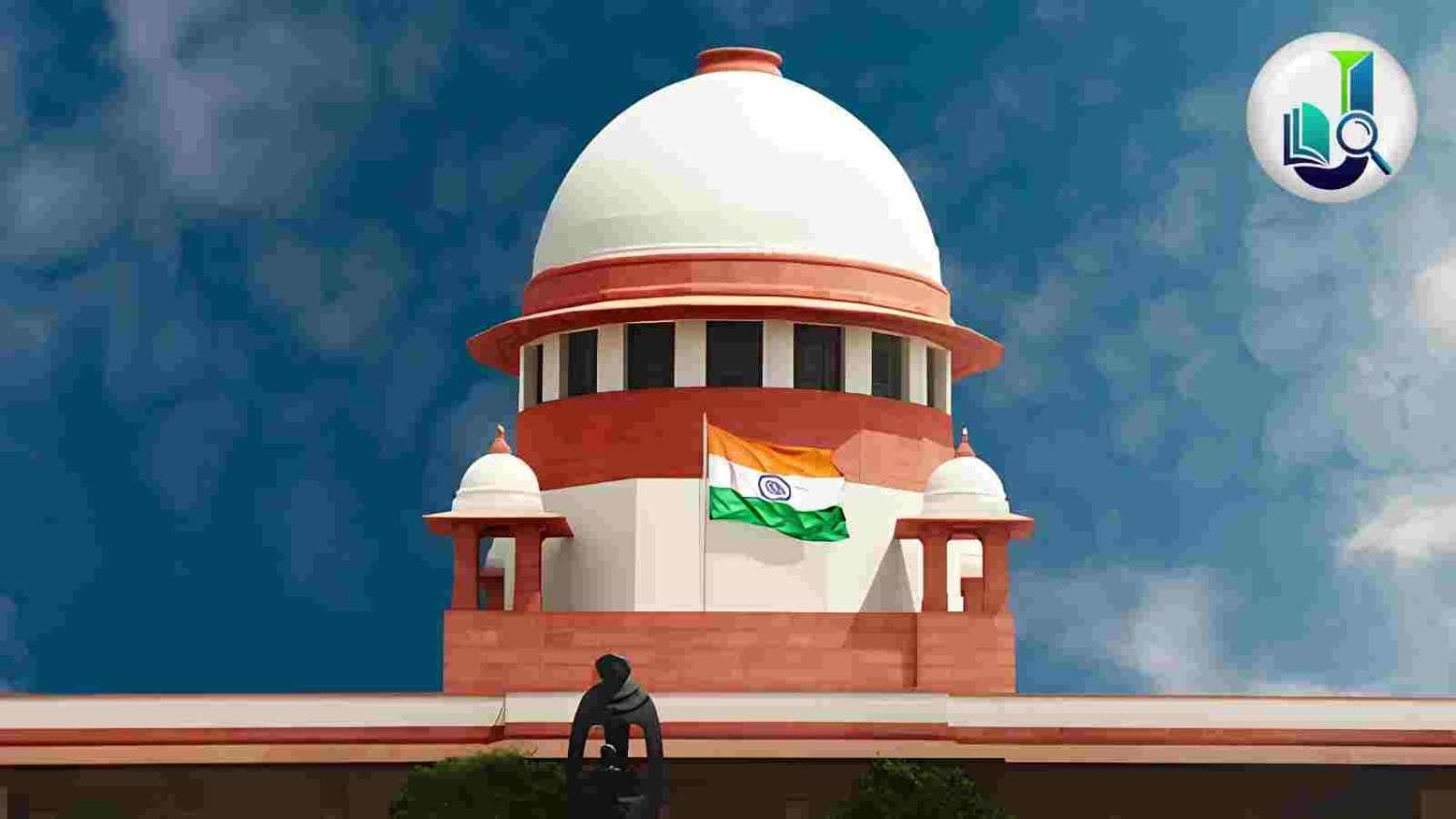
Supreme Court to Hear DMK Plea Concerning Karur Stampede Investigation
The Supreme Court on Monday agreed to list for hearing an application moved by the Dravida Munnetra Kazhagam (DMK) that seeks to restrain Tamil Nadu Chief Minister C. Joseph Vijay, Minister Aadhav Arjuna and other accused persons from making public statements relating to the Karur stampede and from interacting with the families of the victims while the Central Bureau of Investigation (CBI) probe is underway. The matter was mentioned before a partial bench comprising Justice Ahsanuddin Amanullah and Justice Sheel Nagu by Senior Advocate Huzefa Ahmadi, who appeared for DMK Secretary RS Bharati.
Ahmadi submitted that the Chief Minister had proposed to meet the families of the deceased and injured victims on 10 July 2026 to distribute government orders, compassionate appointments and other benefits. He expressed the apprehension that such a meeting could influence witnesses who are also material to the ongoing CBI investigation. He pointed out that after April 2026 several of the accused had assumed ministerial positions in the current regime and that there was an active attempt to influence witnesses. He noted that the application had been filed on Friday and that the urgency stemmed from the pending CBI enquiry which had been directed by the Court and overseen by a Monitoring Committee appointed earlier.
Justice Ahsanuddin Amanullah initially questioned what order could be passed in the circumstances. After hearing the submissions, the bench decided to list the matter for hearing on the following day. The Court did not pass any substantive order at that stage; it merely agreed to place the application on the cause list for tomorrow.
The DMK’s application highlights that the victims’ families are themselves material witnesses in the CBI probe. It contends that direct interaction between those families and persons connected with the subject matter of the investigation, or with members of the political executive, creates a reasonable apprehension regarding the fairness of the probe. The application further notes that the Chief Minister had previously distributed Rs 20 lakh to each family of the deceased and Rs 2 lakh to each injured victim in October 2025, a period when criminal proceedings were already pending. It argues that the proposed distribution of government benefits after assuming office, taken together with the public statements made by an accused Minister, warrants judicial safeguards to preserve the integrity of the investigation.
A specific grievance raised in the application concerns a statement allegedly made by Minister Aadhav Arjuna on 2 July 2026, in which he remarked that there was “a score to settle” over the Karur incident and alleged that the previous DMK government had “killed Karur people through the police”. The applicant asserts that such remarks, made by an accused holding public office, are intended to influence the ongoing Court‑monitored investigation and to prejudice public perception regarding responsibility for the stampede. The application states that a separate contempt petition is being contemplated against the Minister on the basis that the statement amounts to influencing witnesses and impeding the investigation.
Among the reliefs sought, the DMK has prayed for directions restraining Vijay, Aadhav Arjuna, Bussy Anand, C.T.R. Nirmal Kumar and other accused persons from making public statements that attribute criminal liability or comment on the merits of the pending investigation. The application also seeks a direction that any government benefits to be extended to the victims’ families be disbursed only in accordance with safeguards approved by the Supreme Court and after the proposed course of action has been placed before the CBI, so that the evidence of material witnesses is not affected. Additionally, the applicant has requested that the CBI be directed to initiate proceedings against Aadhav Arjuna for his July 2 statement, on the ground that it constitutes witness interference and obstruction of the investigation.
The bench’s decision to list the matter for hearing reflects the Court’s recognition of the urgency raised by the applicant regarding the potential influence on witnesses during the pendency of the CBI enquiry. No substantive order has been passed at this stage; the forthcoming hearing will allow the Court to consider the arguments presented by the parties and to determine whether any interim directions are warranted to safeguard the investigation.