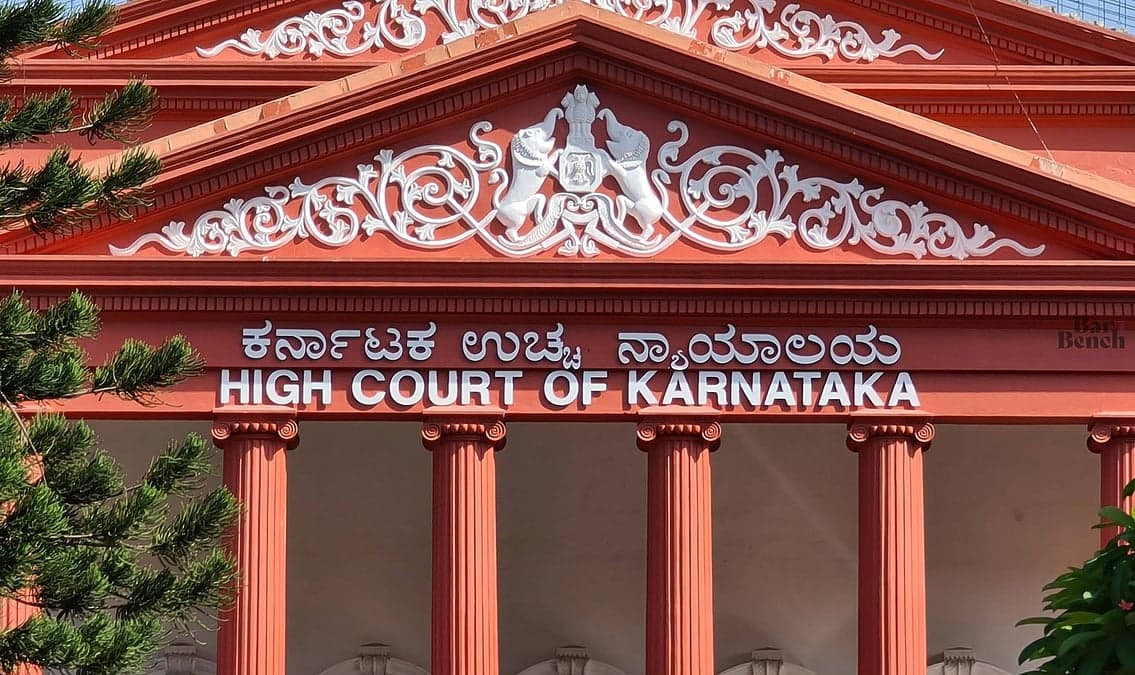
The petition has been submitted by Bengaluru residents M Vivek, M Srinath, ST Manjunatha, TR Satish and KR Anand Murthy. The Karnataka State Election Commission, the State Government and the Election Commission of India have been named as respondents. The petition was filed through advocate Venkatesh Dalawai.
According to the petition, the Election Commission of India launched a nationwide Special Intensive Revision of electoral rolls, with Karnataka placed in Phase III of the exercise. Under the schedule notified by the Election Commission of India, the assembly constituency electoral rolls were frozen as on 16 June 2026 and the revision process is set to conclude with the final publication of rolls on 7 October 2026.
The petition states that three days after the Election Commission of India’s freeze date, on 19 June 2026, the Karnataka State Election Commission issued an order directing a separate and parallel Special Intensive Revision for specified wards of the Greater Bengaluru Authority. The State Election Commission is said to have independently frozen the electoral rolls as on 18 April 2026 and to have fixed a compressed five‑week schedule that is to end on 31 July 2026. The order is said to have been issued on the basis of unspecified complaints received from local political parties.
The petitioners contend that the simultaneous conduct of two revision exercises for the same electorate creates voter confusion and duplicates work. They point out that the two exercises have different freeze dates, qualifying dates and overlapping field operations in the same households.
On the legal front, the petition relies on the Greater Bengaluru Governance (Registration of Electors) Rules, 2025. It argues that Rules 3 and 30 of those rules require the State Election Commission to adopt the assembly electoral rolls prepared by the Election Commission of India and do not authorise the Commission to undertake an independent Special Intensive Revision.
Furthermore, the petition invokes Article 243ZA of the Constitution, which it reads as empowering the State Election Commission only to exercise superintendence over the preparation of electoral rolls for local body elections by adopting the assembly rolls, and not to conduct an independent revision. The petition also challenges Section 35 of the Greater Bengaluru Governance Act to the extent that it may be interpreted as conferring such power, asserting that such a reading would be ultra vires Articles 243ZA, 325 and 326 of the Constitution, which envisage a single, unified electoral roll.
The petition additionally alleges that the order is arbitrary, unreasoned and hastily issued. It claims that the parallel revision results in an unnecessary expenditure of public resources by necessitating the duplicate deployment of Booth Level Officers and Booth Level Agents.
At present, the matter has not been listed for hearing before the Karnataka High Court. No interim order or observation has been passed by the bench. The parties await the court’s schedule for the preliminary hearing.