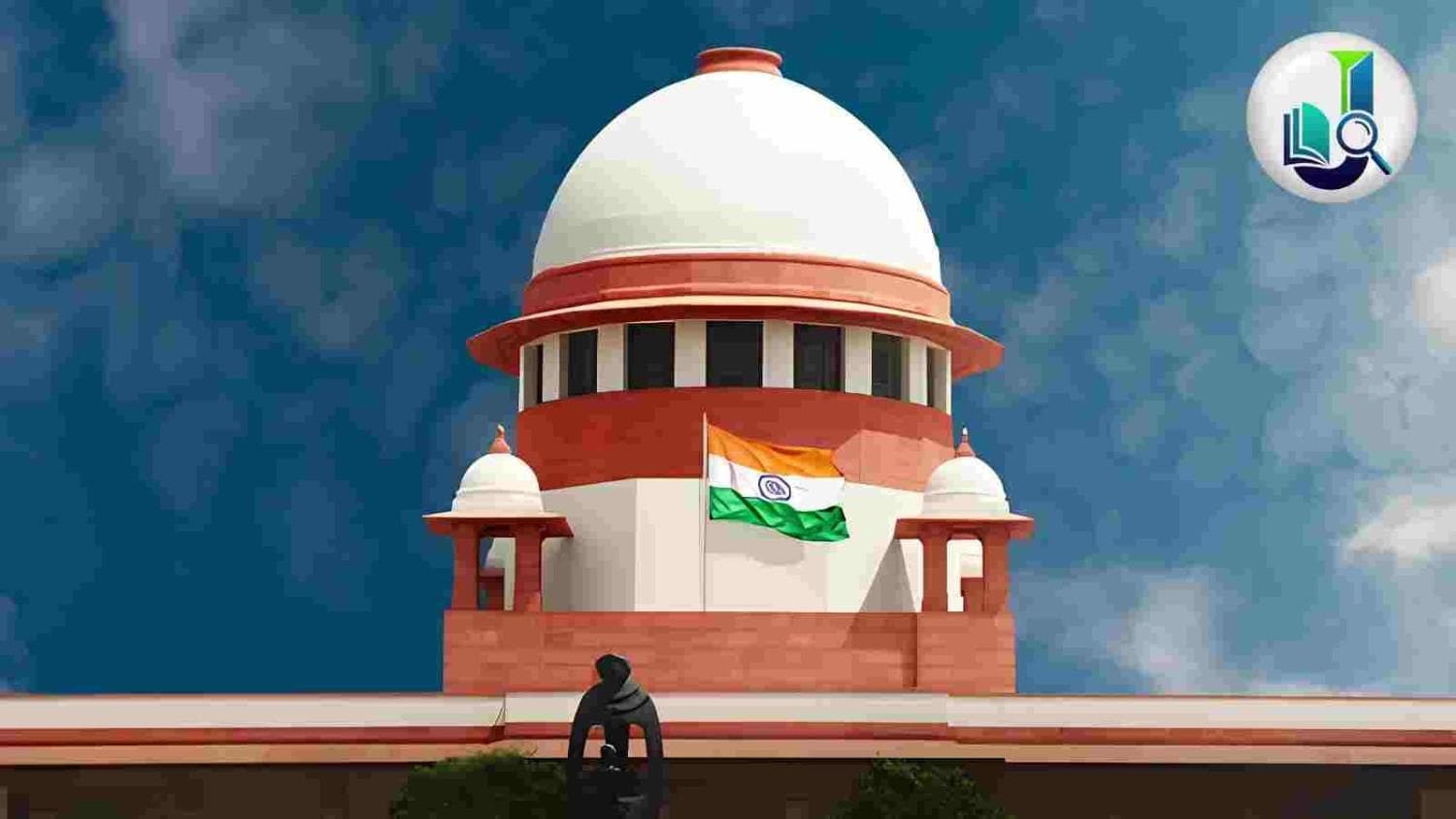
The Nirmohi Akhara, a centuries‑old religious denomination belonging to the Ramanandi Bairagi tradition, had instituted Suit No. 3 in the Ayodhya title dispute claiming to be the shebait of the deity Ram Lalla Virajman. In its landmark judgment dated 9 November 2019, a Constitution Bench of the Supreme Court dismissed the Akhara’s suit as barred by limitation but acknowledged its long association with the disputed site. Exercising its powers under Article 142 of the Constitution, the Bench directed the Central Government to frame a scheme for constituting a trust to manage the temple and specifically observed that an “appropriate role” should be afforded to the Akhara in the management of the shrine.
Pursuant to that direction, the Central Government constituted the Shri Ram Janmabhoomi Teerth Kshetra Trust through a trust deed notified in 2020. The Akhara contends that the present composition of the Trust does not reflect the role envisaged by the Constitution Bench and that it has been excluded from both the governance of the Trust and the conduct of religious affairs at the Ram Janmabhoomi.
Pleadings and Prayers
The miscellaneous application was filed by Shri Panch Ramanandi Nirmohi Akhara through its Sarpanch, Mahant and Sarvakar, Mahant Raja Ramchandracharya Ateet Guru Raghunath Das, who states that he was appointed and recognised by a resolution dated 5 July 2026. The application asserts that the Akhara is a Panchayati Mutt whose decisions are taken through a democratic process by its Panchayat and that it was one of the principal parties in the Ayodhya title dispute.
The Akhara prays for the following reliefs:
- A direction to the Central Government to suitably revise the trust deed and reconstitute the Board of Trustees of the Shri Ram Janmabhoomi Teerth Kshetra Trust so that it functions as a public trust with effective statutory oversight.
- Inclusion of a supervisory board comprising members of the Ramanandi Bairagi Sampradaya in the Trust’s governance structure.
- Selection of trustees from persons of high integrity having historical, legal or religious connections with Shri Ram Janmabhoomi or the Ramanandi traditions.
- Restoration of the Akhara’s traditional role in conducting and supervising rituals, sewa, bhog, puja and other religious ceremonies at the Ram Temple in accordance with long‑standing Ramanandi customs.
- Appointment of an independent committee to examine whether the Centre has faithfully implemented the directions contained in the Supreme Court’s 9 November 2019 judgment.
- A forensic audit of all financial and property‑related transactions undertaken by the existing Board of Trustees.
- Restoration of the original deities of Shri Ram Lalla Virajman, which the Akhara claims were attached on 5 January 1950 and 16 February 1982, to the sanctum sanctorum, alternatively directing that the original idols be handed over to the Akhara for their proper care.
Legal Basis and Arguments
The Akhara’s application is grounded in the Supreme Court’s 2019 judgment, which, while dismissing the suit on limitation, recognised the Akhara’s historical connection to the site and mandated an appropriate role for it in the temple’s management. The Akhara argues that the trust deed framed by the Central Government fails to give effect to that observation, thereby rendering the Trust inconsistent with the spirit of the judgment.
Furthermore, the Akhara points to recent allegations of theft of devotees’ offerings and financial irregularities as evidence of a lack of accountability. It contends that the Trust has been functioning as a private trust without effective statutory oversight, contrary to the intent of the Supreme Court’s direction. The request for a forensic audit and an independent supervisory mechanism is presented as a means to ensure transparency and to verify that the Centre’s implementation of the 2019 judgment aligns with the constitutional mandate.
Implications
If the Supreme Court entertains the application and issues directions in line with the Akhara’s prayers, the governance of the Shri Ram Janmabhoomi Teerth Kshetra Trust could undergo a significant restructuring, potentially bringing in representation from the Ramanandi Bairagi Sampradaya and instituting a layer of independent oversight. Such a development would affect the administration of temple finances, the conduct of religious rituals and the custodianship of the deities at the Ayodhya Ram Mandir.
At present, the application remains pending before the Supreme Court. No interim order or observation has been recorded in the excerpt, and the Court’s eventual response will determine whether the Akhara’s claims regarding exclusion and financial accountability are granted any judicial redress.