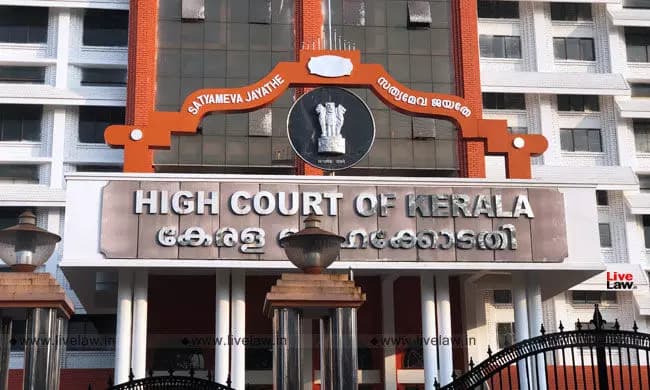
The Kerala Police filed a counter affidavit in a writ petition pending before Justice Murali Purushothaman of the Kerala High Court. The petition challenges police notices that prohibit DJ programmes after 11 p.m. at the Radisson Blu Hotel in Kochi. The hotel contends that an extension granted by the Excise Department allows it to operate its bar and serve liquor until 3 a.m., and that the police restriction unlawfully curtails its licensed business.
The police countered that the Excise Department’s extension pertains only to the lawful sale of liquor and the service of meals. It does not confer an unrestricted right to conduct entertainment activities such as DJ events beyond the prescribed hour. The affidavit states that police have never interfered with the hotel’s lawful bar operations until 3 a.m.; their intervention is limited to entertainment activities that extend beyond the permitted time.
To justify the restriction, the police cited a series of incidents reported from the hotel during 2026. They referred to three criminal cases registered by the Kadavanthra Police Station. One case involves an alleged violent clash between rival groups inside the hotel premises. Another case is an NDPS Act offence in which eight persons were arrested following a raid on an alleged rave party. The third case pertains to property damage and rioting that occurred during a DJ event. Investigations in some of these matters are continuing.
The police also pointed to two additional NDPS cases registered near the hotel on 30 April 2026. Those cases involved alleged cannabis consumption by individuals intercepted in the vicinity of the premises. The police argued that these incidents reinforce concerns about narcotics‑related activity surrounding late‑night entertainment venues.
The legal basis for the police action is drawn from Sections 77, 78 and 79 of the Kerala Police Act, 2011. Those provisions empower police authorities to regulate noise, prevent violence and control public assemblies in the interest of maintaining public order and safety. The affidavit asserts that the provisions apply to DJ parties because such events attract large crowds, generate high decibel levels and create risks of public nuisance, disorder and law‑and‑order problems. Consequently, a restriction beyond 11 p.m. is characterised as a preventive measure to ensure public safety and tranquility.
The affidavit outlines the sequence of notices issued to the hotel. An initial notice directed the hotel to cease amplified music after 10 p.m. in compliance with Supreme Court directions on noise pollution. A second notice followed the detection of alleged NDPS offences linked to a late‑night rave party. After a meeting with stakeholders, a third notice formalised an 11 p.m. cut‑off for DJ events.
According to the police, city‑wide reports from police stations and the District Special Branch indicated a growing association between late‑night DJ events and public nuisance, offences under the NDPS Act and crimes against women. Acting on these reports, the Commissioner of Police issued orders on 28 April 2026 and 16 May 2026 prescribing that DJ programmes should not continue beyond 11 p.m.
The police further noted that the number of commercial DJ venues in Kochi has risen from three to more than 34. Entry fees for these events range from ₹1,500 to ₹6,000, while table reservations are reported to cost up to ₹20,000. The affidavit claims that Kochi City Police have registered 27 criminal cases linked to such late‑night events, including narcotics offences, unlawful gatherings and crimes against women, which they say necessitates stricter regulation.
In response, the petitioners filed a reply affidavit arguing that the distinction between permitting gatherings until 11 p.m. and prohibiting them thereafter lacks rational basis. They contend that the police action discriminates against large‑scale gatherings without justification.
The matter remains pending before the Kerala High Court, with the court yet to pronounce a final order on the validity of the police notices.