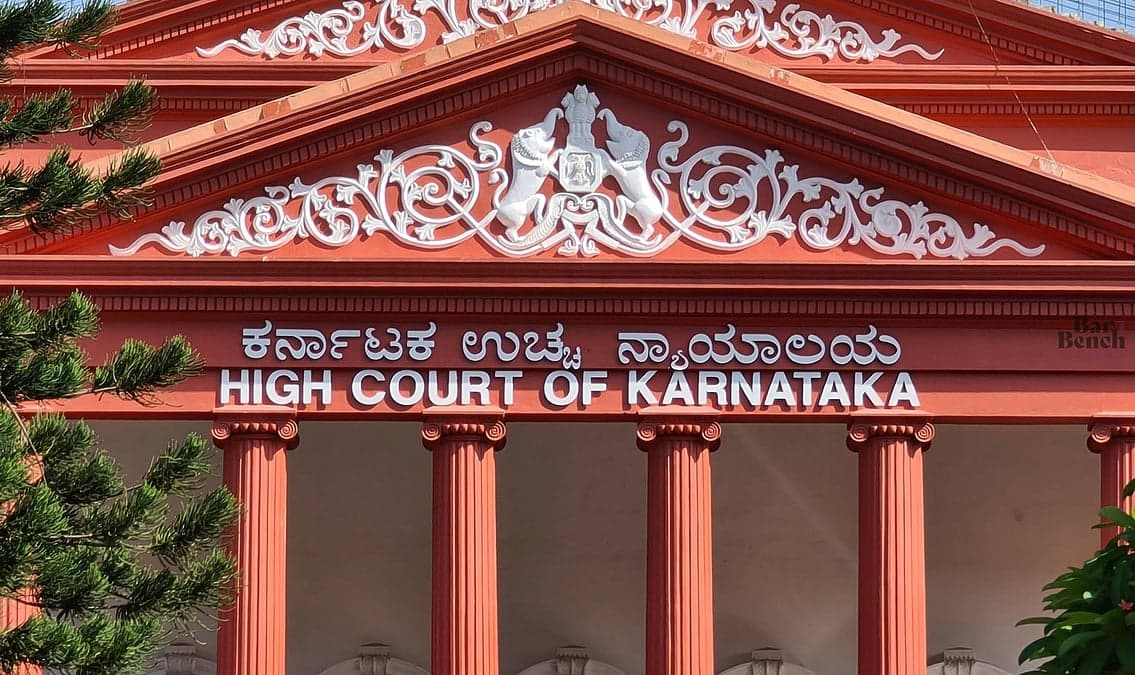
The controversy arose from a meeting of the Karnataka Public Service Commission held on 19 June 2026. During that meeting the Chairman, Shiva Shankarappas Sahukar, recused himself from deliberations concerning an agenda item that related to reservation benefits allegedly availed by his daughter in her appointment as a Group ‘C’ Industrial Extension Officer. After his recusal, the senior‑most member presided over the proceedings. The Commission then introduced an additional agenda item alleging that the Chairman’s daughter had submitted a false caste and income certificate and called for his resignation. A report on these allegations was forwarded to the Chief Secretary and subsequently to the Governor.
Following receipt of the report, the Governor issued an order suspending the Chairman. Sahukar challenged the suspension by filing a writ petition before the Karnataka High Court, contending that the Governor’s action was taken without the aid and advice of the Council of Ministers, a requirement under Article 163 of the Constitution.
Proceedings Before the High Court
The matter was first heard on 10 July 2026, when a single‑judge bench of Justice Suraj Govindaraj granted an interim stay on the June 19 resolution of the KPSC that had called upon the Chairman to resign. The court clarified that the stay applied only to the additional agenda item concerning the Chairman’s resignation and did not extend to the other thirteen items on which he had recused himself.
At the hearing on 17 July 2026, the petitioner’s counsel raised an additional ground, arguing that the Governor’s suspension order lacked the requisite aid and advice of the State’s Council of Ministers. Justice Govindaraj acknowledged the submission, noting that the petitioner had presented this as a fresh ground of challenge.
Counsel for the KPSC responded that, if any party could object to the Governor’s exercise of power, it must be the State, because all questions concerning the validity of gubernatorial actions arise when the Governor acts without the aid and advice of the Council.
The Additional Government Advocate, representing the State of Karnataka, was asked by the court whether the suspension order had been made with the aid and advice of the Ministers. The AGA sought time to obtain instructions and submitted that the State would not rely on oral directions alone. The judge accepted this request, stating that the State would not be permitted to proceed on the basis of unverified oral instructions, and directed the AGA to file the necessary documentation supporting the claim of aid and advice.
Court’s Directions and Next Steps
Justice Govindaraj ordered that the matter be relisted for further hearing on 20 July 2026. The respondents, including the State of Karnataka represented by its Principal Secretary, Department of Personnel and Administrative Reforms, were granted liberty to file their statement of objections by that date. The court also directed the AGA to place on record any orders, resolutions, or communications demonstrating that the Governor’s decision to suspend the KPSC Chairman was taken after consultation with the Council of Ministers.
Legal Questions Under Consideration
The principal issue before the court is whether the Governor possessed the authority to suspend the Chairman of the KPSC before a presidential reference under Article 317(2) of the Constitution. The petitioner’s case hinges on the contention that such suspension, if undertaken without the aid and advice of the Council of Ministers, exceeds the Governor’s constitutional powers. The State’s defence will need to establish that the Governor acted in accordance with the aid and advice clause, thereby rendering the suspension valid.
Implications of the Order
If the court ultimately finds that the Governor’s order was issued without the requisite ministerial advice, the suspension could be set aside, restoring the Chairman to his position pending any further proceedings under Article 317(2). Conversely, a finding that the aid and advice requirement was satisfied would uphold the Governor’s action and allow the disciplinary process to continue. The outcome will also clarify the scope of gubernatorial authority in relation to constitutional bodies such as the Public Service Commission, particularly concerning interim measures that precede a presidential reference.
The parties are now required to substantiate their positions with documentary evidence before the next date of hearing, ensuring that the court’s determination is based on a complete record rather than oral assertions.