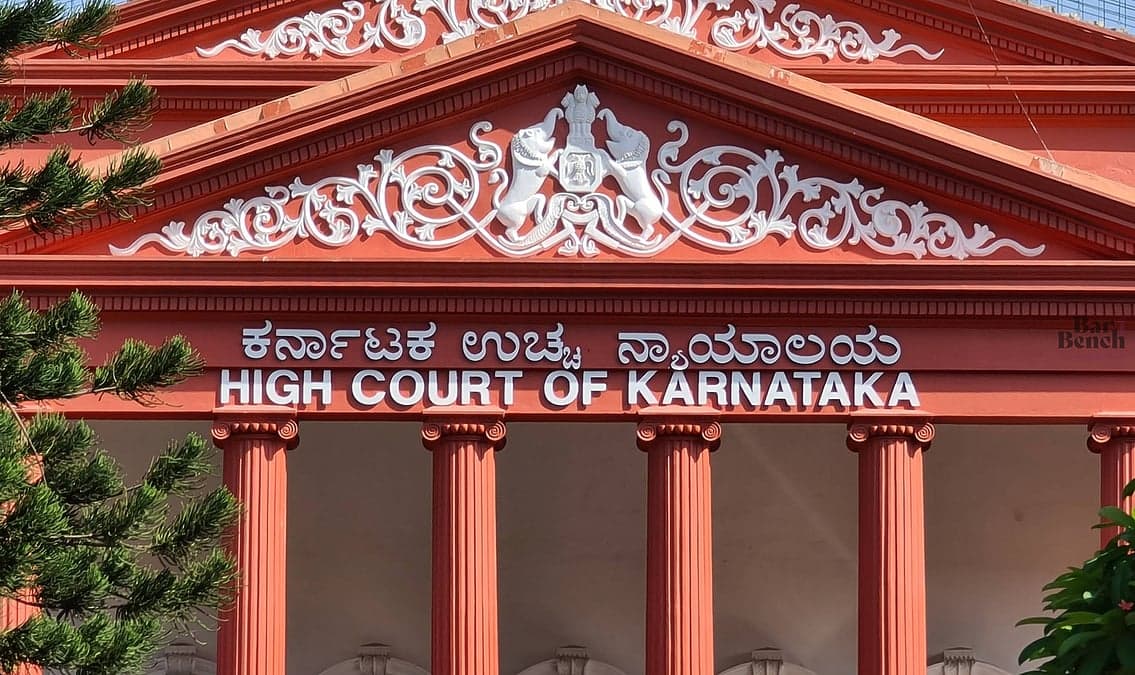
The single judge bench of Justice M. Nagaprasanna passed an interim order on Tuesday, 7 July 2026, staying all proceedings against the owner of a Kodagu homestay who had been charge sheeted for offences under the Foreigners Act 1946. The charge sheet related to the alleged rape of a United States national at the homestay premises.
The bench observed that the Foreigners Act 1946 has been repealed and consequently no longer possesses the force of law. It noted that a criminal proceeding founded on a statute that has ceased to exist cannot be sustained in law. The court therefore concluded that, at this stage, the continuation of the proceedings would be untenable and granted an interim stay to prevent any further action under the repealed provision.
The order clarified that the stay applies solely to the proceedings initiated under the Foreigners Act 1946. It did not address or affect any other charges that may have been framed against the accused under substantive criminal laws such as the Indian Penal Code or any special legislation dealing with sexual offences. The bench emphasized that the interim relief is limited to the specific legal infirmity identified and does not constitute a determination on the merits of the underlying allegations.
The court directed that the matter be listed for further hearing after the parties have had an opportunity to consider the implications of the repeal. It indicated that the prosecution may seek to amend the charge sheet or rely on alternative legal provisions if it wishes to pursue the case. The defence, meanwhile, was permitted to continue with any other legal remedies available to it.
Legal commentators note that the decision rests on the well‑settled principle that a repealed statute cannot serve as the basis for criminal liability unless a saving provision expressly preserves liability for past acts. The bench did not find any such saving clause applicable to the Foreigners Act 1946 in the present context, and therefore held that the charge sheet lacked a legal foundation.
The interim stay is not a final adjudication of the accused’s guilt or innocence. It merely halts the progress of the proceedings under the repealed Act while the parties address the procedural defect. The substantive allegations of rape remain subject to investigation and trial under the appropriate criminal statutes that continue to be in force.
In passing the order, Justice M. Nagaprasanna reiterated the court’s duty to ensure that no person is subjected to criminal proceedings founded on a law that no longer exists, thereby safeguarding the right to a fair trial and preventing abuse of process. The bench concluded that the interim measure was necessary to uphold the rule of law pending a definitive resolution of the charge sheet’s validity.