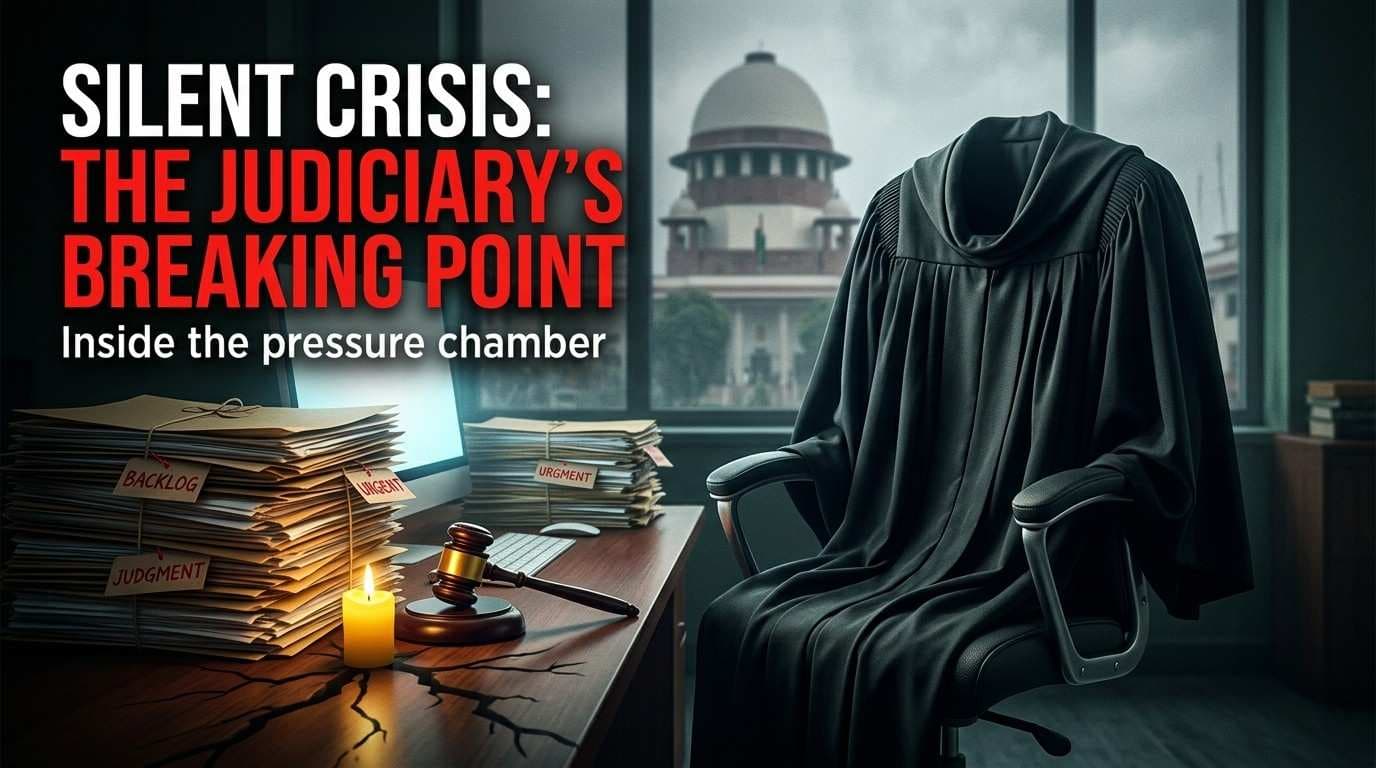
The legal community in the national capital is in a state of shock following the tragic news of the death of a 30-year-old judicial officer. The judge, who was serving in the Delhi Judicial Services, was found dead at her residence, with preliminary reports from the Delhi Police indicating a case of suicide. This incident has cast a somber shadow over the city’s legal circles, raising urgent questions about the pressures faced by young officers within the Indian judicial system.
According to police officials, a note was recovered from the scene, though the specific contents have not been fully disclosed to the public pending further investigation. The deceased was known among her colleagues as a bright and dedicated professional who had successfully navigated the highly competitive judicial services examination to secure her position. Her sudden passing has left friends, family, and peers struggling to reconcile her professional success with the personal distress she may have been experiencing.
This tragedy brings to the forefront a critical, yet often ignored, conversation: the mental health and well-being of members of the judiciary. Judicial officers, particularly those in the early stages of their careers, are often burdened with immense workloads, high-stakes decision-making, and a sense of professional isolation. The weight of ensuring justice, combined with a backlog of thousands of cases, creates an environment of persistent stress that can take a significant toll on an individual’s mental health.
In recent years, several senior members of the legal fraternity have called for a more robust support system for judges. Unlike other high-stress professions, judicial officers are expected to maintain a degree of social distance to preserve their impartiality, which can inadvertently lead to a lack of emotional outlets. The "stiff upper lip" tradition within the judiciary often discourages officers from seeking help, fearing that admission of mental fatigue might be perceived as a lack of professional competence.
The Delhi Police have registered a case and are currently recording statements from family members and neighbors to understand the circumstances leading up to the event. While the legal investigation will take its course, the incident serves as a grim reminder that professional accolades and judicial authority do not provide immunity against mental health struggles. The loss of a young life with such immense potential is a loss not just for her family, but for the justice system as a whole.
There is now a growing consensus that the judiciary must implement formal mental health programs, including regular counseling sessions and workload management strategies. Promoting a culture where judicial officers feel safe discussing their mental well-being without judgment is essential. Such reforms are necessary to ensure that the individuals responsible for upholding the law are themselves supported and protected.
As the legal fraternity mourns the loss of one of its own, many are using this moment to advocate for change. The goal is to create a more compassionate administrative structure that recognizes the human element behind the black robes. Ensuring that young judges have the tools to manage the emotional and psychological demands of their office is as important as their legal training.
In conclusion, the passing of the 30-year-old Delhi judge is a heartbreaking event that highlights the invisible struggles within the legal profession. While the investigation continues, the broader takeaway is the urgent need for systemic change. By fostering an environment of support and breaking the silence around mental health, the legal community can hope to prevent such tragedies in the future and honor the memory of those who have been lost.