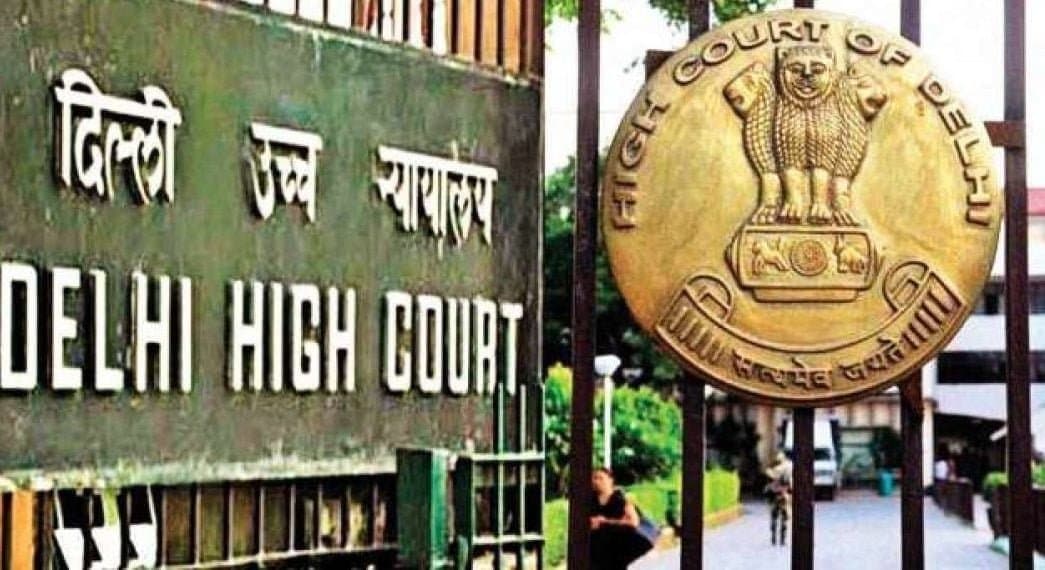
The Delhi High Court, presided over by Justice Prateek Jalan, has granted bail to Arun Muthu, B. Mohanraj, Sudheer and Kamlesh Kothari, who are named as alleged associates of Sukesh Chandrasekhar in an extortion case involving an alleged amount of Rs 217 crore. The bail order was passed after considering the applications filed by the four accused.
The prosecution’s case, as outlined in the chargesheet, alleges that Muthu acted as a close associate of Chandrasekhar and Leena Paulose, assisting in the management of proceeds purportedly derived from the alleged offence. According to the chargesheet, Muthu facilitated the purchase of luxury cars and properties, handled financial transactions amounting to approximately Rs 3 crore through his associates, opened a proprietorship firm named LS Film Corp for Leena Paulose, and assisted in the production of a web series. It was further alleged that Muthu transferred funds to Leena’s company, arranged for the parking of seven to eight luxury cars after receiving instructions from her, and earned a commission of 2.5 % on the transactions.
The court, however, observed that Muthu was not charged with direct participation in the alleged acts of extortion against the complainant or any other person. The bench noted that, as per the prosecution’s own case, Muthu’s role was limited to planning and managing the funds sent by Chandrasekhar to Leena, including facilitating accounting entries, arranging the purchase of properties and luxury cars, overseeing the parking of those vehicles, and contributing to the film production. The court quoted its own observation that the statements of other co‑accused and witnesses relied upon by the prosecution do not prima facie accord any higher role to the petitioner than that described.
In granting bail, Justice Jalan relied principally on two considerations: the period of incarceration already undergone by the accused and the prospect that the trial is unlikely to conclude expeditiously. The bench highlighted that Section 3(4) of the Maharashtra Control of Organised Crime Act (MCOCA) prescribes a punishment that may extend from five years to life imprisonment. Despite the seriousness of the potential sentence, the court pointed out that the case involves twenty‑four accused, approximately four hundred and three witnesses, and considerable factual and legal complexity. These factors, in the court’s view, render an early conclusion of the proceedings improbable.
The bench further clarified that any observations made in the bail order were made solely for the purpose of deciding the bail applications and would not influence the trial proceedings or be construed as an expression of opinion on the merits of the case. This clarification was intended to preserve the presumption of innocence and to ensure that the bail decision does not prejudice the subsequent trial.
While passing similar bail orders for all four accused, the court distinguished the position of Leena Paulose. Her bail application had been rejected in May of the same year after the court found that the allegations against her placed her at the centre of the alleged organised crime syndicate. The bench noted that her alleged role differed fundamentally from that of the other accused, who were subsequently enlarged on bail.
The decision underscores the balancing act that courts undertake between the liberty of the accused and the interests of justice, particularly in cases involving numerous witnesses and intricate financial allegations. By granting bail on the ground of prolonged incarceration and the unlikelihood of a speedy trial, the Delhi High Court has reiterated that incarceration pending trial must not be disproportionate to the stage of the proceedings, especially when the trial’s conclusion is not imminent.