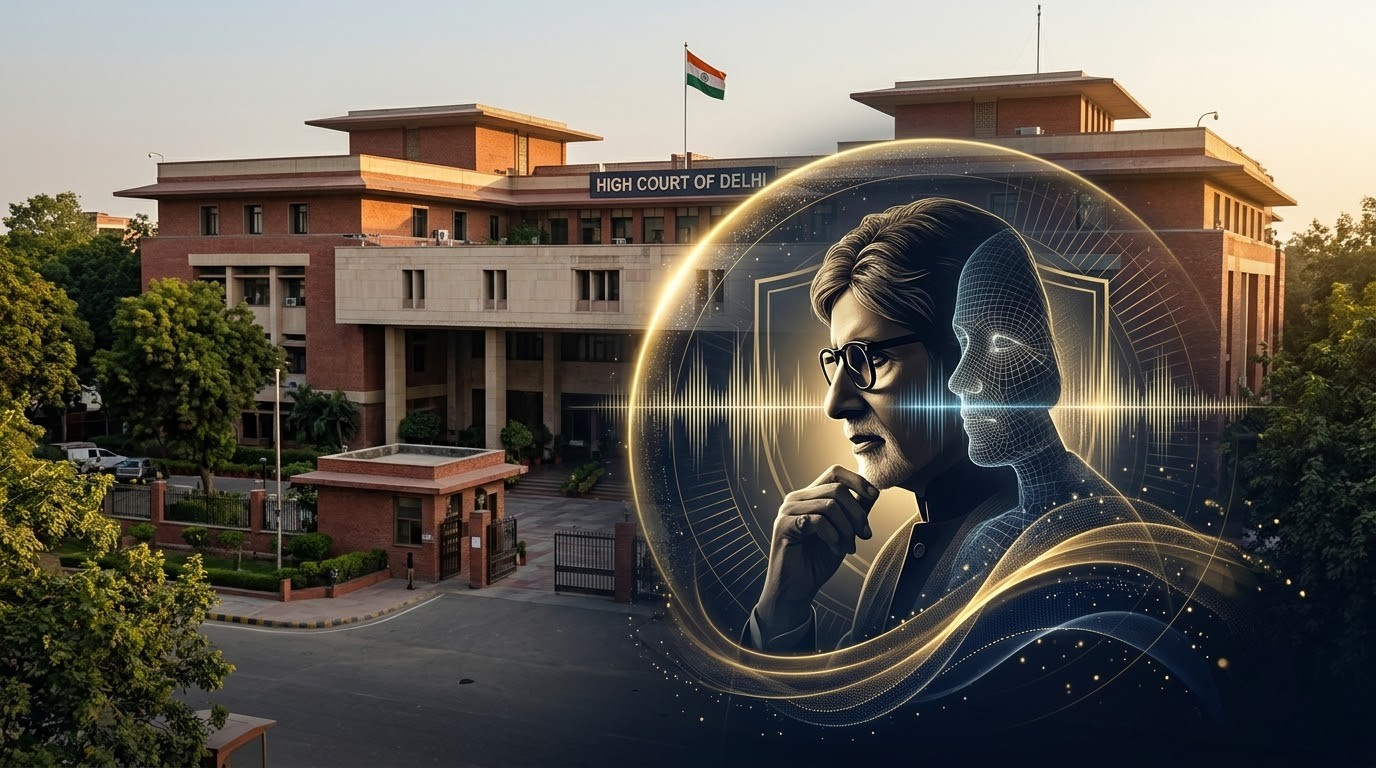
The Delhi High Court has decreed a personality rights suit filed by veteran actor Amitabh Bachchan, permanently restraining multiple defendants from the unauthorised commercial exploitation of his name, image, voice, likeness and other identifiable aspects of his persona. Justice Purushaindra Kumar Kaurav pronounced the judgment on November 5, concluding proceedings initiated against several individuals and entities alleged to have misappropriated the actor's publicity rights for commercial gain.
Scope of the Suit and Nature of Allegations
The suit targeted a range of unauthorised commercial activities. These included a mobile application titled 'Amitabh Bachchan Video Call', a purported 'Kaun Banega Crorepati' lottery scheme circulated via WhatsApp messages, a general knowledge quiz book bearing the actor's photograph, and the sale of T-shirts and posters carrying his images. The plaintiff also impleaded domain name registrants operating websites incorporating his name. The plaintiff contended that such use falsely suggested his endorsement and constituted passing off, besides violating his statutory and common law rights to privacy and publicity.
Decree by Consent Against Settling Defendants
The Court recorded that Defendants 1, 3, 5 and 8 had entered into a settlement with the plaintiff. These defendants acknowledged Bachchan's publicity rights and right to privacy. As per the terms, they undertook not to use his name, image, voice, likeness or any other aspect of his persona without express authorisation. Justice Kaurav held that the settlement was lawful, voluntary and capable of being incorporated into a decree under Order XXIII Rule 3 of the Code of Civil Procedure (CPC). The Court noted that the agreement had been reached without fear or coercion and on the parties' own volition.
Ex Parte Decree Against Non-Appearing Defendants
In respect of Defendants 2, 4, 6 and 9, the Court passed a decree under Order VIII Rule 10 CPC after observing that they had failed to appear or file written statements despite service of summons. Justice Kaurav clarified that the provision could not be invoked mechanically. However, the Court found that no disputed question of fact necessitated a trial in the present matter. The unauthorised commercial exploitation of the plaintiff's identity, without consent, was held to falsely suggest his endorsement.
Protection Extended to Unidentified Infringers
The decree also operates against unidentified persons, described as 'John Does'. The Court observed that the plaint disclosed a continuing pattern of anonymous misuse of the plaintiff's persona through websites, applications, posters and messaging platforms. Recognising the persistent threat of such infringement, the Court granted liberty to the plaintiff to institute fresh proceedings in the event a fresh cause of action arises.
Category of Defendant | Procedural Basis for Decree | Key Undertaking or Finding |
|---|---|---|
Defendants 1, 3, 5, 8 (Settling Parties) | Order XXIII Rule 3 CPC (Compromise Decree) | Acknowledged plaintiff's publicity and privacy rights; undertook not to use persona without express permission. |
Defendants 2, 4, 6, 9 (Non-Appearing Parties) | Order VIII Rule 10 CPC (Ex Parte Decree) | Failed to appear or file written statements; no disputed question of fact required trial. |
Unidentified Persons (John Does) | Inherent Jurisdiction / Continuing Pattern of Infringement | Decree extended to anonymous misuse; liberty granted to file fresh suits for future causes of action. |
What Remedies Did The Delhi High Court Grant In Amitabh Bachchan's Personality Rights Suit?
The Delhi High Court passed a permanent injunction restraining eight identified defendants and unidentified 'John Doe' parties from unauthorised commercial use of Amitabh Bachchan's name, image, voice and likeness. The decree was based on settlement with four defendants under Order XXIII Rule 3 CPC, and ex parte against four others under Order VIII Rule 10 CPC. The Court recognised his publicity and privacy rights and granted liberty to initiate fresh proceedings for future infringements.
Significance of the Ruling
The judgment reinforces the enforceability of personality rights in India, affirming that a celebrity's identity attributes—name, voice, image and likeness—are protectable proprietary interests. By combining consent decrees with ex parte findings and a John Doe order, the Court provided a comprehensive remedial framework against both identified and anonymous digital infringement. The ruling clarifies that Order VIII Rule 10 CPC requires judicial satisfaction that no triable issue exists before an ex parte decree is granted, even when a defendant defaults. The liberty to sue for future causes of action addresses the dynamic nature of online misuse, ensuring the decree remains effective against evolving modes of unauthorised exploitation.