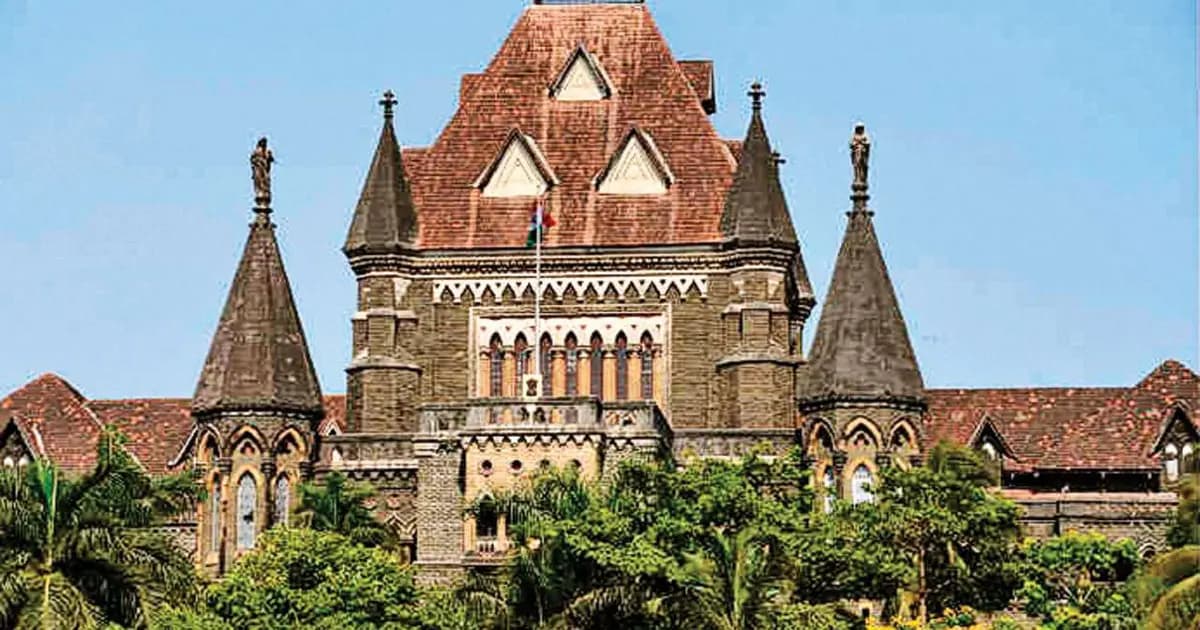
Background of the Externment Proceedings
The petitioner, Saeed Ahmad Abdul Wahid Chaudhary, aged forty‑nine, serves as the general secretary of the Socialist Democratic Party of India. He was externed for a period of one year by orders dated 3 December 2025 and 27 March 2026 passed by the Deputy Commissioner of Police, Zone 6, Mumbai, and the Divisional Commissioner, Konkan Division, respectively. The externment was predicated on five First Information Reports lodged against him, chiefly for organising morchas and dharnas against decisions of the Central Government, including amendments to the Citizenship Act and the Gyanvapi Masjid controversy. The petitioner challenged these orders before the Bombay High Court.
Observations of Justice Madhav Jamdar
While hearing the writ petition, Justice Madhav Jamdar expressed strong disapproval of the police action. He questioned why a citizen could not raise slogans such as “BJP Government Murdabad” or “Amit Shah Murdabad” without facing externment. The judge remarked that treating citizens as slaves of the government for merely opposing its policies was unacceptable. He emphasized that the police, as public servants, cannot act as instruments of the Chief Minister or the Prime Minister to suppress dissent.
Justice Jamdar further noted that the externment orders relied solely on the petitioner’s political activism and did not allege any violence or breach of peace. He observed that the imposition of a one‑year externment for raising slogans affected the petitioner’s fundamental rights to freedom of speech and expression under Article 19 and to live with dignity under Article 21 of the Constitution.
Legal Reasoning and Operative Outcome
The court held that mere opposition to governmental decisions does not constitute a valid ground for externment under the Maharashtra Police Act. The judge described the action taken by the respondents as mala fide, stating that it was intended to stifle legitimate protest rather than maintain public order. Consequently, the writ petition was allowed, and the externment orders dated 3 December 2025 and 27 March 2026 were quashed and set aside.
In addition to quashing the orders, Justice Jamdar indicated that he would impose hefty costs on the police officers responsible for passing the externment directions, underscoring the need for accountability when fundamental rights are infringed.
Contextual Remarks
During the proceedings, the judge made a passing comment on the prevailing political situation in Maharashtra, referencing reports of horse‑trading among Members of Parliament and Members of the Legislative Assembly. He observed that while political realignments were underway, the petitioner’s right to protest remained protected. This remark was made in a lighter vein and did not form part of the legal reasoning.
Conclusion
The Bombay High Court’s decision reaffirms that the right to peaceful protest and criticism of government policy is a cornerstone of democratic governance. By setting aside the externment orders, the court protected the petitioner’s constitutional freedoms and sent a clear signal that law‑enforcement authorities must not misuse preventive measures to silence lawful dissent.