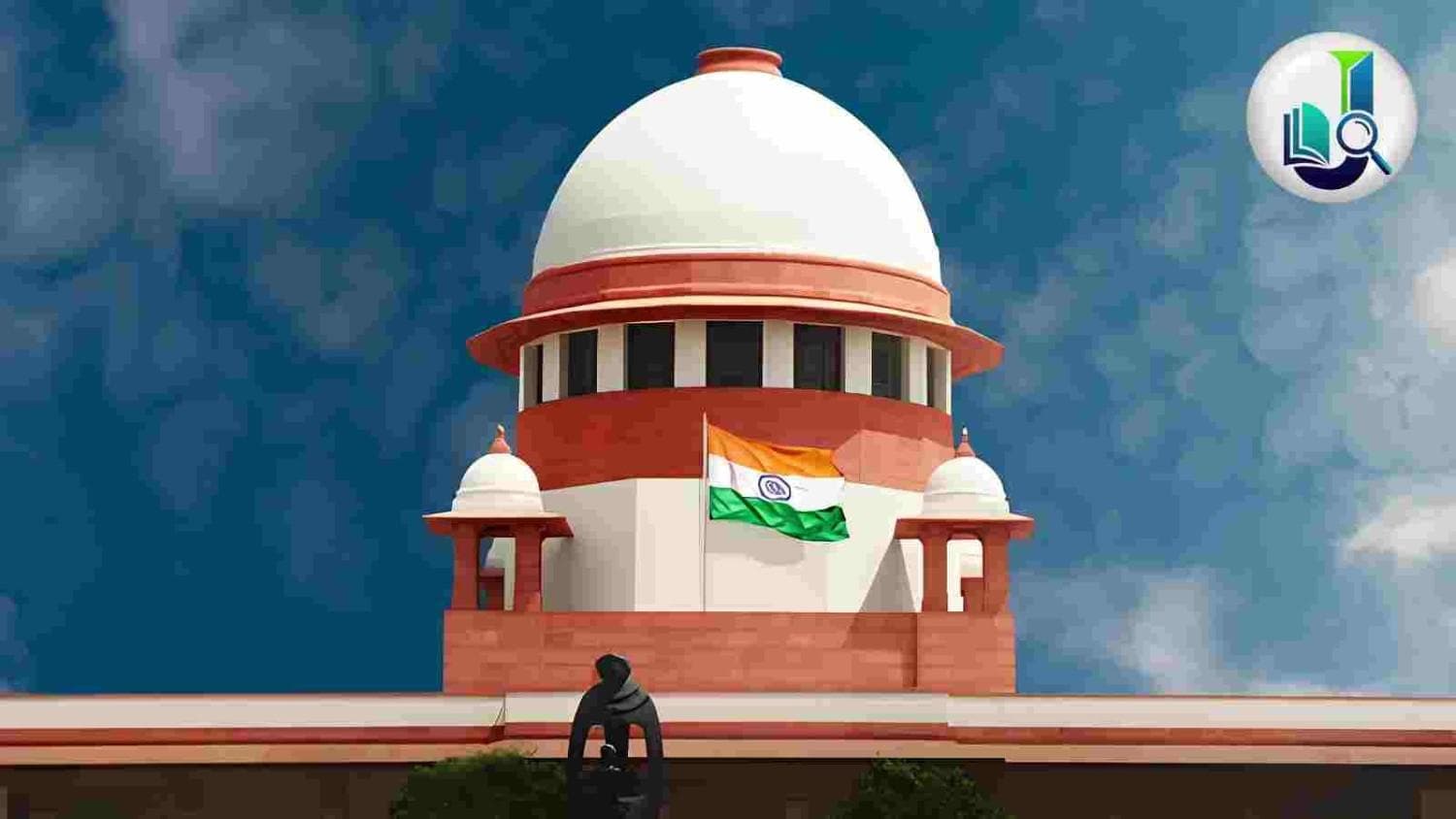
The Supreme Court, in its judgment delivered on Tuesday, clarified the scope of disciplinary authority over advocates. The Court observed that while a bank may remove an advocate from its panel on the ground of negligence, it cannot make a public declaration of such removal. The Court further held that the exclusive power to initiate disciplinary proceedings for professional misconduct rests with the Bar Council under the Advocates Act, 1961.
In the same judgment, the Supreme Court directed the Bar Council of India to constitute a committee tasked with undertaking a comprehensive performance audit of the disciplinary mechanisms administered by both the Bar Council of India and the State Bar Councils. The audit is to assess the efficacy and credibility of the existing disciplinary powers and to recommend corrective and remedial measures based on its findings.
Additionally, the Court directed the Bar Council of India to establish a National Legal Academy for Advocates, modelled on the lines of the National Judicial Academy. The objective of the academy is to institutionalise discipline and to promote a culture of continuing legal education among advocates.
In response to the judgment, the Bar Council of India issued a press note stating that it will convene a meeting next week to consider and constitute the committees and expert groups required for implementing the Court’s directions. The deliberations at the meeting will include the following items:
First, the constitution of a broad‑based committee to undertake a comprehensive performance audit of disciplinary mechanisms under the Advocates Act, 1961.
Second, the collection and analysis of reliable data relating to disciplinary complaints, disposals, pendency, timelines, staffing, procedural practices and institutional support across all State Bar Councils.
Third, an examination of measures to ensure expeditious, fair, transparent and effective disciplinary proceedings.
Fourth, the constitution of a team comprising senior advocates, junior advocates, academicians and institutional experts to prepare the framework for the proposed National Legal Academy.
Fifth, the preparation of a structured national model for Continuing Legal Education, professional development, mentoring and specialised training of advocates.
Sixth, the identification of technological, administrative and institutional reforms necessary for modernising the regulatory and educational framework of the legal profession.
The Bar Council of India further stated that it will place before the Supreme Court an affidavit setting out the developments, decisions, measures proposed and steps taken, within the time prescribed by the Court.
The Supreme Court’s observations underscore the principle that disciplinary authority over advocates cannot be exercised by external entities such as banks in a manner that involves public declaration. By directing a performance audit, the Court seeks to evaluate the current functioning of disciplinary bodies and to identify gaps that may affect the credibility of the regulatory regime.
The direction to establish a National Legal Academy reflects the Court’s emphasis on structured continuing legal education as a means to uphold professional standards. The proposed academy is intended to provide a uniform platform for training, mentorship and specialised instruction, thereby fostering a disciplined and educated legal profession.
The Bar Council of India’s proposed meeting and the subsequent constitution of expert committees indicate its intention to comply with the Court’s directions within the stipulated timeline. The affidavit to be filed with the Supreme Court will serve as a record of the steps taken towards implementing the audit framework and the academy plan.
Thus, the Supreme Court’s verdict initiates a two‑pronged reform process: an audit of existing disciplinary mechanisms and the creation of a national institution for continuing legal education, both aimed at strengthening the regulatory framework governing the legal profession in India.