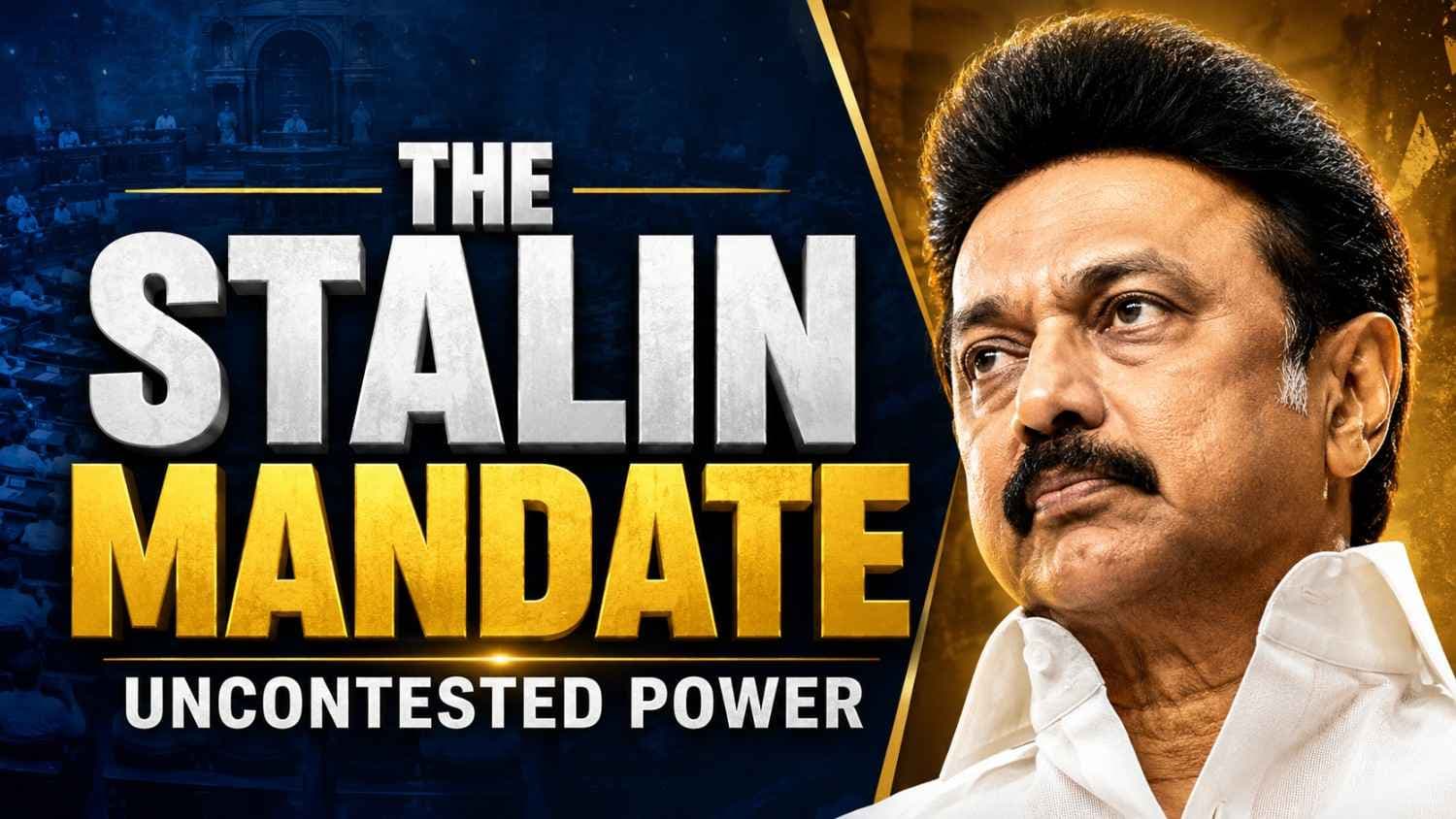
In the wake of a high-decibel election cycle, the Dravida Munnetra Kazhagam (DMK) has moved swiftly to consolidate its internal structure, reaffirming the absolute authority of its president, M.K. Stalin. In a significant legislative party meeting held at the party headquarters, newly elected and returning MLAs passed a unanimous resolution empowering Stalin to take all strategic calls regarding the party’s role in the upcoming assembly. This move is more than a procedural formality; it is a profound display of "monolithic unity," signaling to both allies and adversaries that the DMK’s hierarchy remains undisputed and its leadership remains singular.
The empowerment of a leader by their legislative wing is a hallmark of Dravidian political tradition, where the "Thalaivar" (Leader) is granted the mandate to navigate the complexities of governance and opposition alike. By placing their collective trust in Stalin, the MLAs have effectively streamlined the decision-making process, ensuring that the party speaks with one voice during the sensitive phase of government formation or transition. This consolidation of power is a tactical shield against internal friction, presenting a fortified front as the state prepares for its next political chapter.
From a strategic perspective, this resolution grants Stalin the flexibility to negotiate potential alliances or solidify the party’s stance on crucial regional issues without the delay of committee-based consensus. Whether it involves the selection of floor leaders, the drafting of legislative priorities, or responding to the moves of the Central Government, the "Stalin Mandate" ensures a rapid-response capability. In the fast-paced theater of Tamil Nadu politics, where shifts in momentum can occur overnight, such centralized authority is a vital asset for maintaining organizational discipline.
The meeting also served as a "pulse check" for the party’s morale. By gathering the legislators under one roof and securing this vote of confidence, Stalin has reinforced the ideological bond that holds the DMK together. The resolution acts as a "public oath" of loyalty, discouraging any "fringe elements" from pursuing independent agendas. It underscores the transition of Stalin from a leader who inherited a legacy to one who has firmly carved his own path, commanding a level of fealty that is essential for navigating the challenges of a multi-polar assembly.