The demolition drive in question was initiated after the Border Security Force expanded its operational area to a fifty‑kilometre radius from the international border. The authorities contended that the expansion was necessary for national security considerations. Several structures, including mosques, kabarstans and dargahs, situated within the notified zone were marked for removal. A batch of writ petitions challenging the demolitions was filed before the Rajasthan High Court, alleging that the action targeted religious sites and violated principles of natural justice.
On 13 July 2026, a single bench of the Rajasthan High Court dismissed the petitions. The High Court held that the matter pertained to national security and therefore the stringent requirements of natural justice did not apply. It also rejected the petitioners’ claim of religious discrimination, finding no evidence to support the allegation.
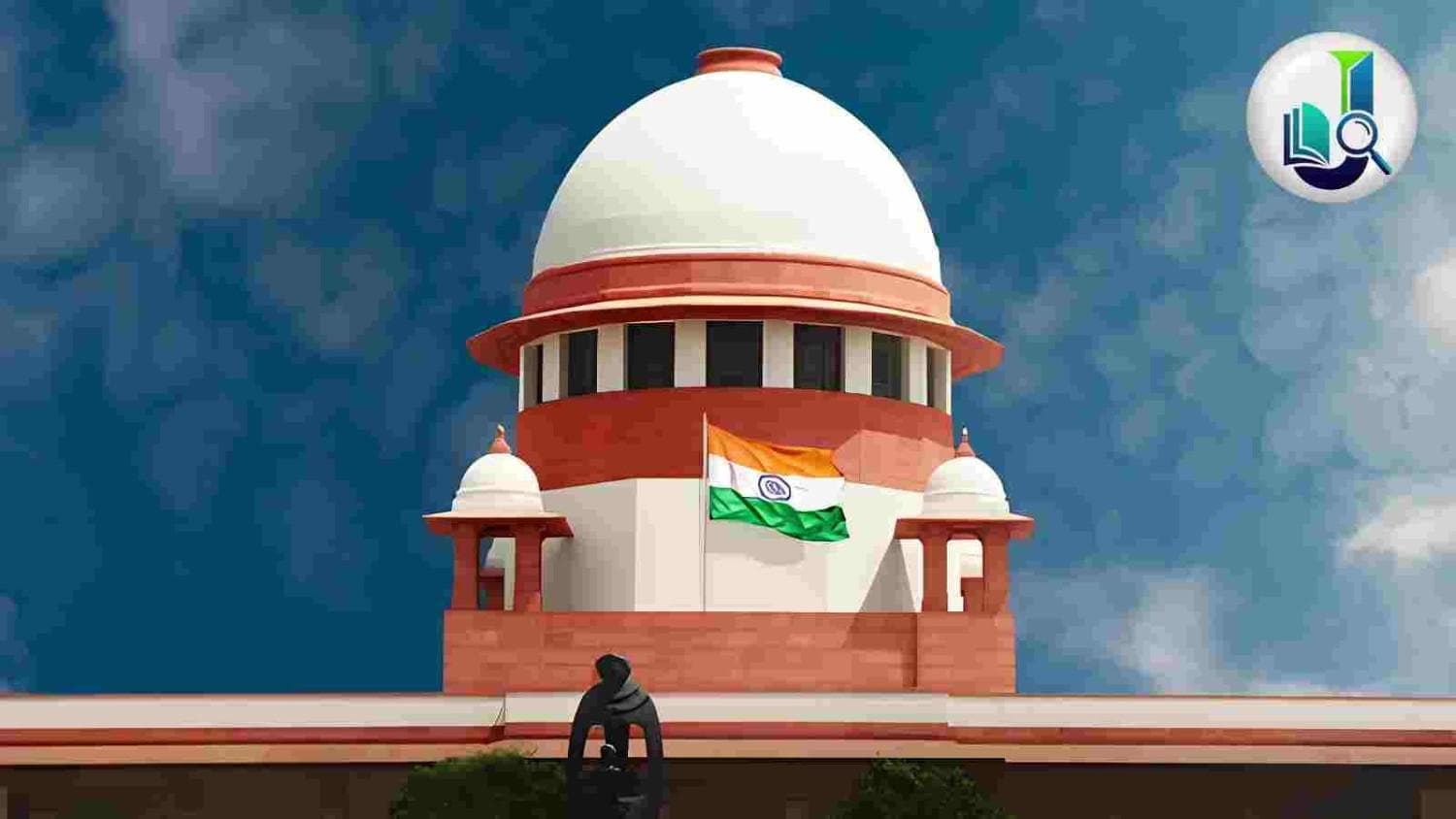
Aggrieved by the High Court’s decision, a separate set of affected individuals approached the Supreme Court through a writ petition (WP(c) 818/2026) titled Taj Mohd and others v. State of Rajasthan and others. The matter was heard by a bench comprising Justice PS Narasimha and Justice Alok Aradhe on 17 July 2026.
The bench observed that it had not examined the substantive merits of the case and was not expressing any opinion on the validity of the demolition order or the High Court’s reasoning. Consequently, the Supreme Court refused to entertain the writ petition at that stage. Instead, it directed the petitioners to pursue an intra‑court appeal before the division bench of the Rajasthan High Court.
To preserve the status quo during the interim period, the Court issued a protective order staying any coercive action against the petitioners for a period of two weeks from the date of the order. The operative part of the order reads: “Till the Writ Petition/Writ Appeal is taken up by the High Court i.e, within two weeks from today, no coercive action will be taken by the respondent(s) against the petitioners. It is made clear that we have not examined the matter and we are not expressing any opinion on the merits of the case. It is for the High Court to consider the petition(s) on their own merits.”
The Supreme Court’s decision rests on two principal considerations. First, the Court emphasised its role as a forum of last resort and declined to intervene when an effective remedy was available before the High Court. By directing the petitioners to file an intra‑court appeal, the bench upheld the principle of judicial hierarchy and the availability of an alternative remedy.
Second, the temporary stay reflects the Court’s willingness to prevent irreversible harm while the High Court re‑examines the matter. The two‑week window is intended to give the petitioners a reasonable opportunity to present their appeal without the threat of immediate demolition. The Court expressly clarified that the stay does not constitute a judgment on the legality of the demolition drive or the High Court’s national security rationale.
The appearance of Senior Advocates Kapil Sibal and Huzefa Ahmadi for the petitioners underscores the significance attached to the case by the legal fraternity. Their submissions likely focused on the alleged infringement of religious rights and the applicability of natural justice safeguards, although the Supreme Court did not delve into those arguments in its order.
Following the Supreme Court’s directions, the matter stands as “dismissed as withdrawn” at the apex level, with the parties now required to pursue relief before the Rajasthan High Court. The High Court will now reconsider the petitioners’ intra‑court appeal, taking into account any fresh submissions and the limited period of protection granted by the Supreme Court.
The interim order does not prejudice the eventual determination of the dispute. It merely preserves the existing situation for a defined period, allowing the High Court to adjudicate the matter on its merits without the risk of the subject matter being altered by ongoing demolitions.