The Supreme Court clarified on 18 November that its general directions to clear national highway encroachments do not allow authorities to bypass the statutory process before demolishing disputed structures. Justices Vikram Nath and Aparesh Kumar Singh said the earlier directions did not establish that any particular property encroached on highway land.
What authorities must do before removal
Section 26 of the Control of National Highways (Land and Traffic) Act, 2002 provides for notice identifying the land, an opportunity to respond and consideration of the response. The Court said the Act permits removal without prior notice in specified circumstances. Authorities must establish that those conditions apply before using those powers.
High Courts will hear individual claims
The applications arose in proceedings on highway safety following the Phalodi accident. The applicants disputed issues such as ownership, highway boundaries, demarcation and whether their land had been acquired. The Supreme Court allowed them to take those disputes to the High Courts with jurisdiction and asked those courts to decide the claims independently.
Existing interim protection continues until the respective High Court proceedings are decided. For applicants who had received no protection, the Court barred demolition, removal and other coercive action under the challenged notices until then. The protection covers only the disputed structures in the applications and gives no permission for fresh construction or encroachment.
Case In Re: Phalodi Accident v. National Highways Authority of India & Ors., 2026 INSC 1243.
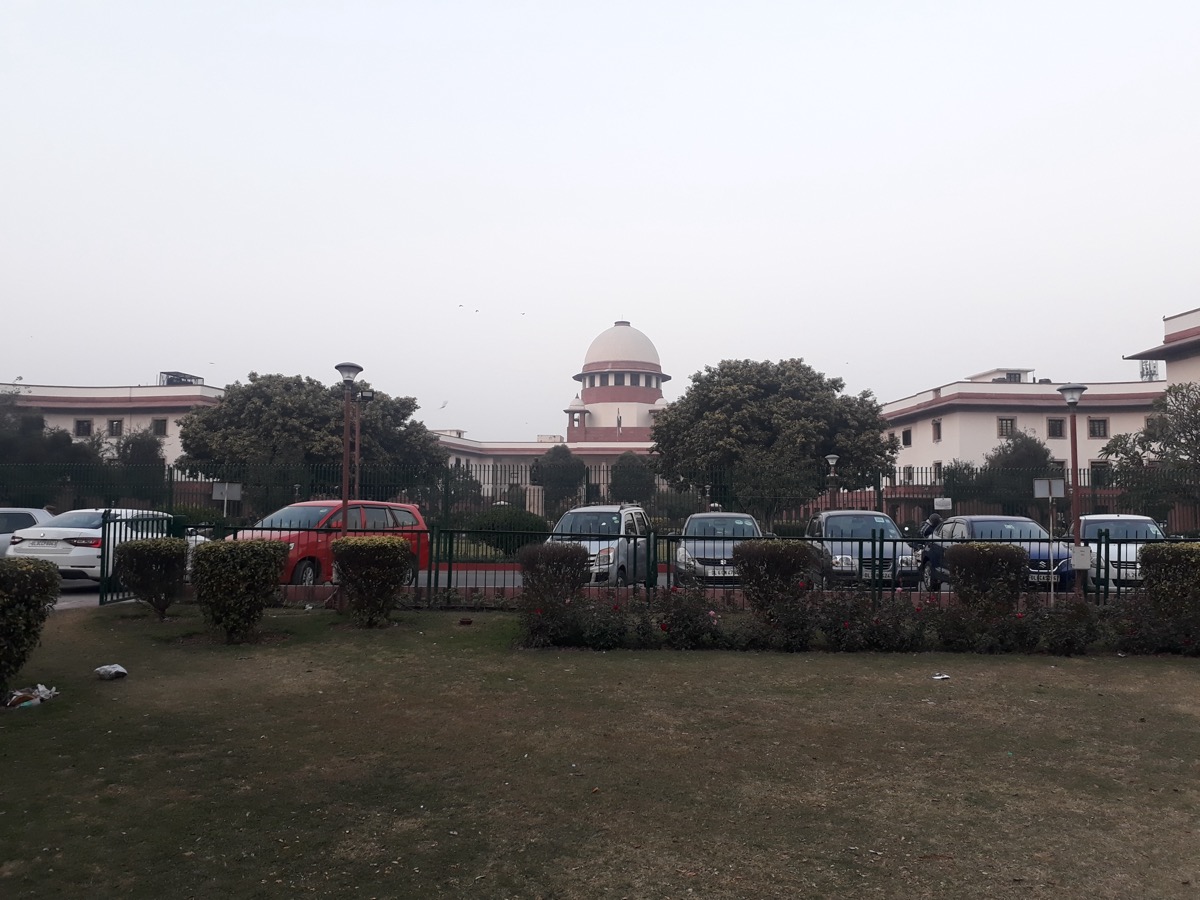
Supreme Court of India photograph by Pinakpani, CC BY-SA 4.0.