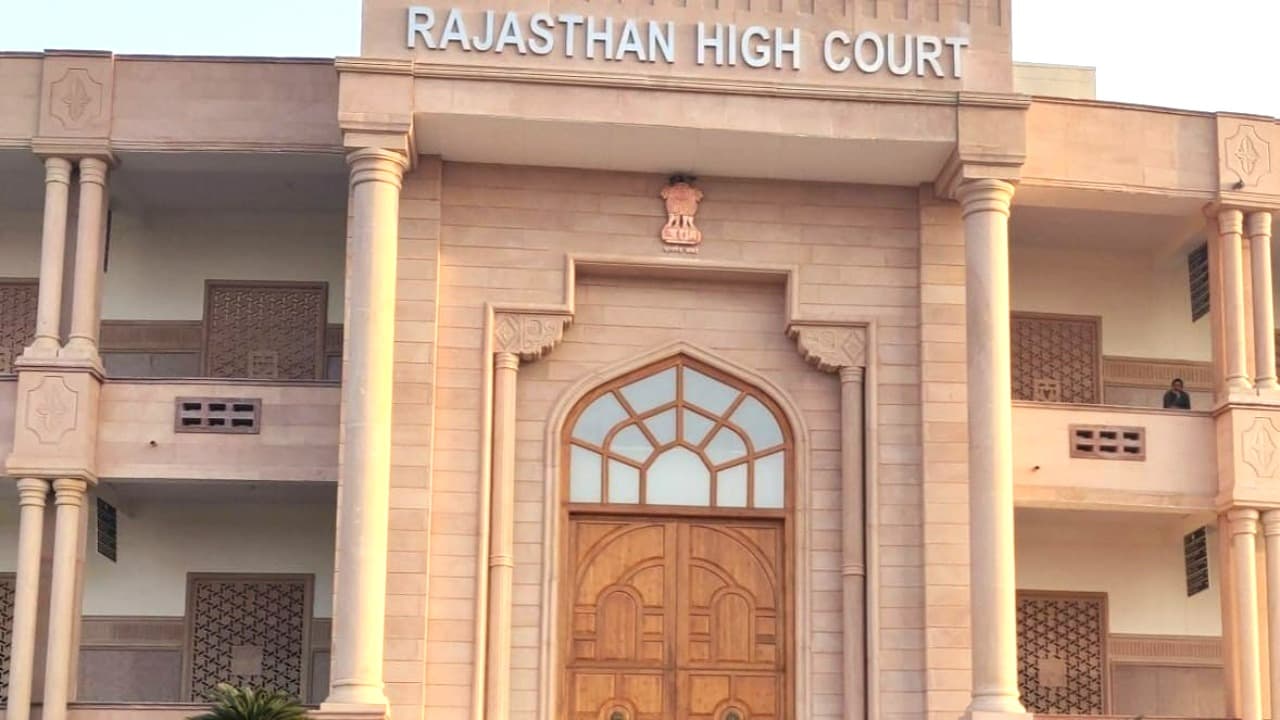
The Rajasthan High Court has taken cognisance of the absence of adequate medical facilities in the Sessions Court Complex at Jodhpur after a lawyer suffered a fatal heart attack on the premises and could not receive timely primary treatment. The court described the situation as alarming and directed immediate remedial action by the State Government.
The observations were made while hearing a writ petition filed by the Rajasthan High Court Advocates Association challenging the lack of medical infrastructure in the Sessions Court Complex operating from the old Jodhpur bench High Court building. The petitioner contended that although the Janta Clinic previously functioned within the complex and provided medical services to lawyers, presiding officers, litigants, and the public, no medical staff has been deployed in the clinic since the shift to the current premises.
According to the petition, the Sessions Court Complex requires a minimum of nine paramedical staff members to ensure basic medical care. This includes one Medical Officer, two Grade-II Nursing Staff, one Family Health Worker, one Pharmacist, one Lab Technician, two Ward Boys, and one Sweeper. The petitioner stated that currently only one Family Health Worker and one fourth-class employee have been appointed, leaving critical positions vacant.
The petition further highlighted that the District and Sessions Judge of Jodhpur had made repeated representations to the Department of Medical and Health for the deployment of adequate medical personnel, but no action had been taken. The unfortunate demise of Jeewan Ram Choudhary, a lawyer who collapsed due to a sudden heart attack within the complex and died owing to the absence of primary medical care, was cited as a direct consequence of this institutional failure.
The petitioner relied on the judgment in Pradyuman Bisht v Union of India, in which the Supreme Court had directed High Courts and State Governments to ensure the availability of essential emergency measures, including functional medical facilities, ambulances, and first-aid response systems, within court premises.
Considering the urgency and gravity of the situation, the bench of Justice Anoop Kumar Dhand issued several directions as interim relief. The Principal Secretary of the Department of Medical and Health was directed to deploy, with immediate effect, one Medical Officer, two Grade-II Nursing Staff, one Pharmacist, one Lab Technician, two Ward Boys, and one Sweeper to the Sessions Court Complex in Jodhpur. Additionally, the department was ordered to detail one ambulance to the complex to respond to any medical emergency.
The District and Sessions Judge of Jodhpur was directed to institute a regular monitoring mechanism to ensure that basic medical facilities are maintained and do not fall below the required standards. The court also issued notice to the respondents, namely the State of Rajasthan, to show cause why the directions should not be made final.
The court emphasised that as a welfare State, Rajasthan bears a constitutional duty to provide basic medical facilities to all individuals accessing the Sessions Court Complex, including lawyers, judicial officers, litigants, and members of the public. It reiterated that court premises are not merely administrative buildings but spaces where the public exercises fundamental rights to justice, necessitating basic safeguards for health and safety.
The matter has been listed for further hearing, with the State required to file its response to the notice issued by the court. The directions issued by the Rajasthan High Court are intended to address the immediate lacunae in medical infrastructure while the substantive petition remains pending adjudication.