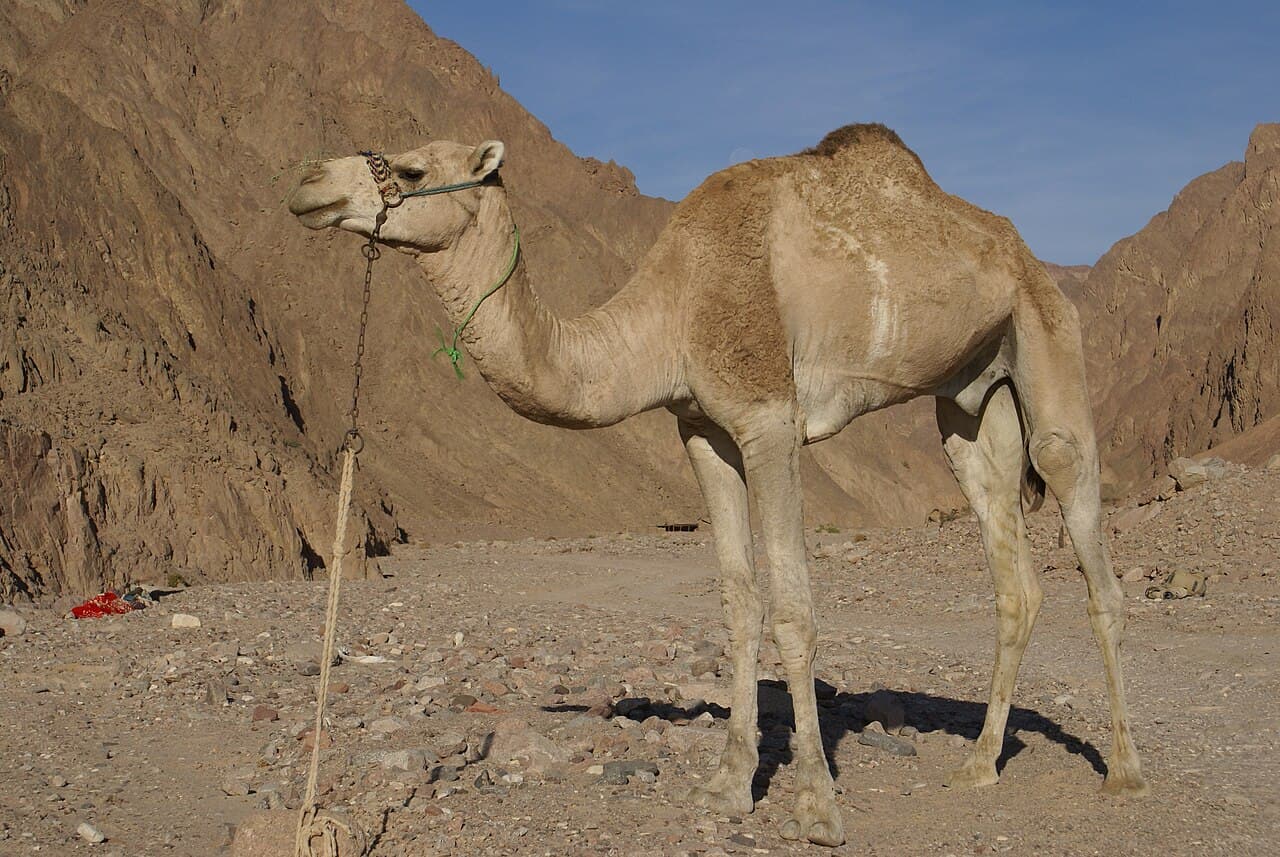
The division bench comprising Acting Chief Justice Sanjeev Prakash Sharma and Justice Maneesh Sharma observed that the camel population in Rajasthan has fallen from nearly fifteen lakh to about one lakh fifty thousand. The bench described this decline as sharp and worrisome.
The court noted that the camel is recognised as the state animal of Rajasthan and that its protection falls within the statutory duties of the Animal Husbandry Department. The bench referred to the Rajasthan Camel (Prohibition of Slaughter and Regulation of Temporary Migration or Export) Act 2015 and the Wildlife (Protection) Act 1972 as the legal frameworks that impose obligations on the state to safeguard the species.
In its observations, the bench stated that the steep reduction in numbers raises questions about the effectiveness of existing conservation measures. It highlighted that the decline could affect the rural economy, traditional livelihoods and the cultural heritage associated with camel rearing.
The court further remarked that the state has a responsibility to ensure adequate breeding facilities, veterinary healthcare and protection from illegal slaughter or unauthorized migration. It said that any lapse in fulfilling these responsibilities could be examined under the court’s writ jurisdiction.
Consequently, the division bench issued a direction to the Director of the Animal Husbandry Department to appear personally before the court and provide a detailed account of the measures currently being undertaken for the protection, breeding and healthcare of camels in the state. The bench asked the director to specify the budgetary allocations, the functioning of breeding centres, the status of veterinary outreach programmes and the steps taken to curb illegal trade.
The court indicated that after hearing the director’s response it would consider whether further directions are necessary to ensure compliance with the statutory obligations. It clarified that the present order is limited to seeking information and does not constitute a final judgment on the matter.
The bench added that the issue may also be examined in light of any public interest litigation that has been filed concerning the welfare of the state animal. It said that the court remains open to receiving suggestions from experts, non‑governmental organisations and other stakeholders that may assist in formulating effective conservation strategies.
The summons reflects the court’s willingness to use its supervisory jurisdiction to monitor the implementation of wildlife protection laws and to hold executive authorities accountable for the preservation of a species that holds both ecological and cultural significance for Rajasthan.