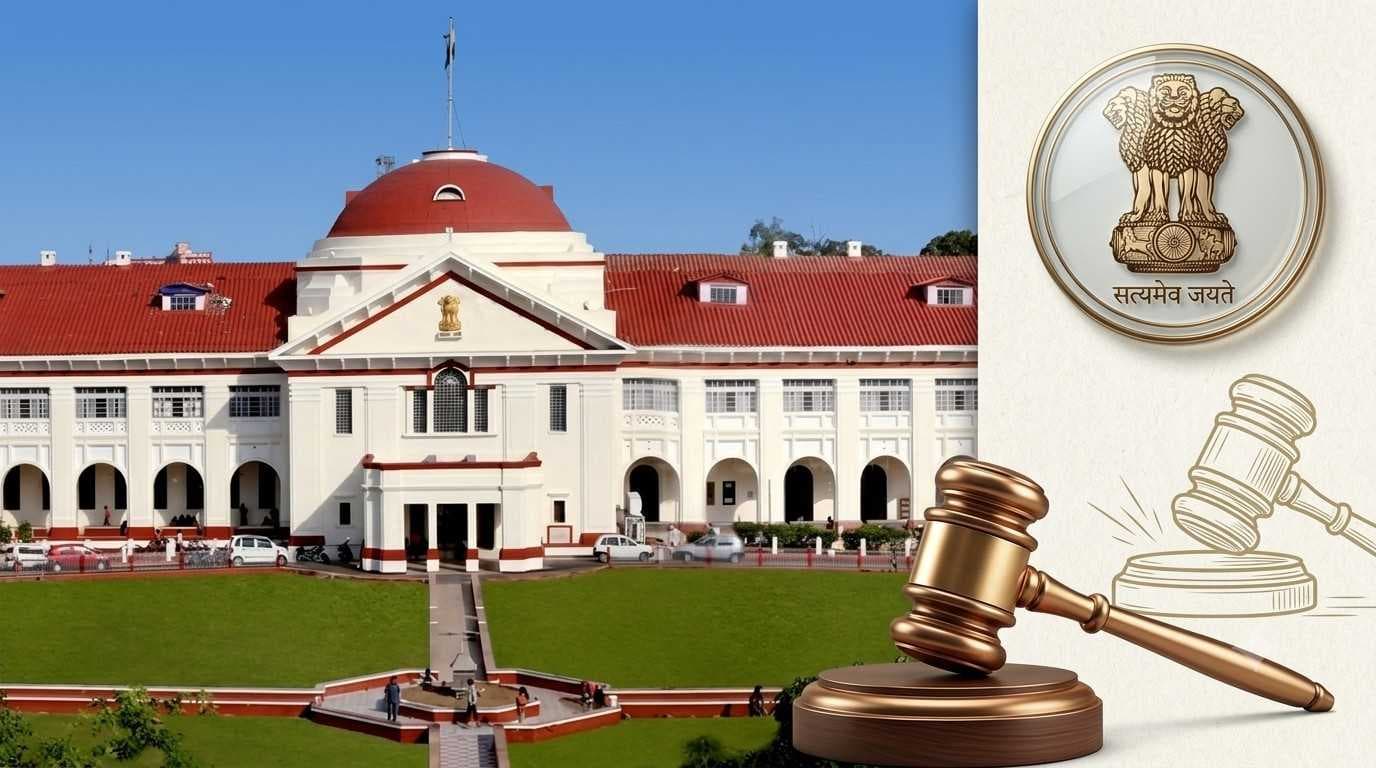
The Patna High Court has dismissed a Public Interest Litigation that questioned the award of the Pirpainti Thermal Power Project to the Adani Group. The Division Bench comprising Chief Justice Meenakshi Madan Rai and Justice Soni Shrivastava heard the matter in Civil Writ Jurisdiction Case No. 5531 of 2026, titled Anmol Kumar v. State of Bihar.
The petitioner, a practising advocate, contended that the Bihar State Cabinet had approved the project in March 2025 and that the procurement followed a tariff‑based competitive bidding process. It was submitted that Respondent No. 6, identified as the Adani Group, emerged as the lowest bidder and was required to invest over twenty‑eight thousand crore rupees in the 2400 MW ultra‑supercritical coal‑based plant. The petitioner alleged that the tariff accepted for the project was markedly higher than the tariffs awarded to comparable projects in Maharashtra, Madhya Pradesh and Uttar Pradesh, rendering the decision arbitrary, discriminatory and contrary to statutory provisions.
In response, the Advocate General argued that the challenge was premature because it rested on an assumption about tariffs likely to be paid in 2030. It was further submitted that any objection to the bidding process should be raised before the Bihar Electricity Regulatory Commission. The State maintained that the decision to approve the project constituted a policy choice made in the public interest and therefore was not amenable to judicial interference.
While examining the maintainability of the PIL, the Court noted that the petitioner claimed to have no personal interest in the matter but failed to provide any averment demonstrating a public‑spirited character or a history of taking up causes in the public interest. The Bench observed that before entertaining a public interest litigation the Court must be satisfied about the informant’s character and standing, the nature of the information placed before it, the specificity of the allegations and the seriousness of the complaint.
Applying these principles, the Court found that the petition did not satisfy the threshold required for entertaining a PIL. The Bench expressly stated that the allegations made were vague, nebulous and appeared to be based on private interest, noting that none of the other bidders who had lost the bid had approached any authority or this Court to complain of irregularities in the bidding process or the award of the bid.
The Court also accepted the State’s submission that the decisions relating to the project were matters of policy and did not warrant judicial interference. Consequently, the High Court held that the petition did not qualify as a genuine public interest litigation and dismissed the PIL.
The outcome underscores the Court’s insistence on a stringent threshold for public interest litigation, particularly when the allegations lack specificity and appear to stem from private grievances rather than a broader public concern. The decision reinforces the principle that policy determinations made by the executive, especially those involving large infrastructure projects, are ordinarily left to the discretion of the State absent clear evidence of illegality or irrationality.