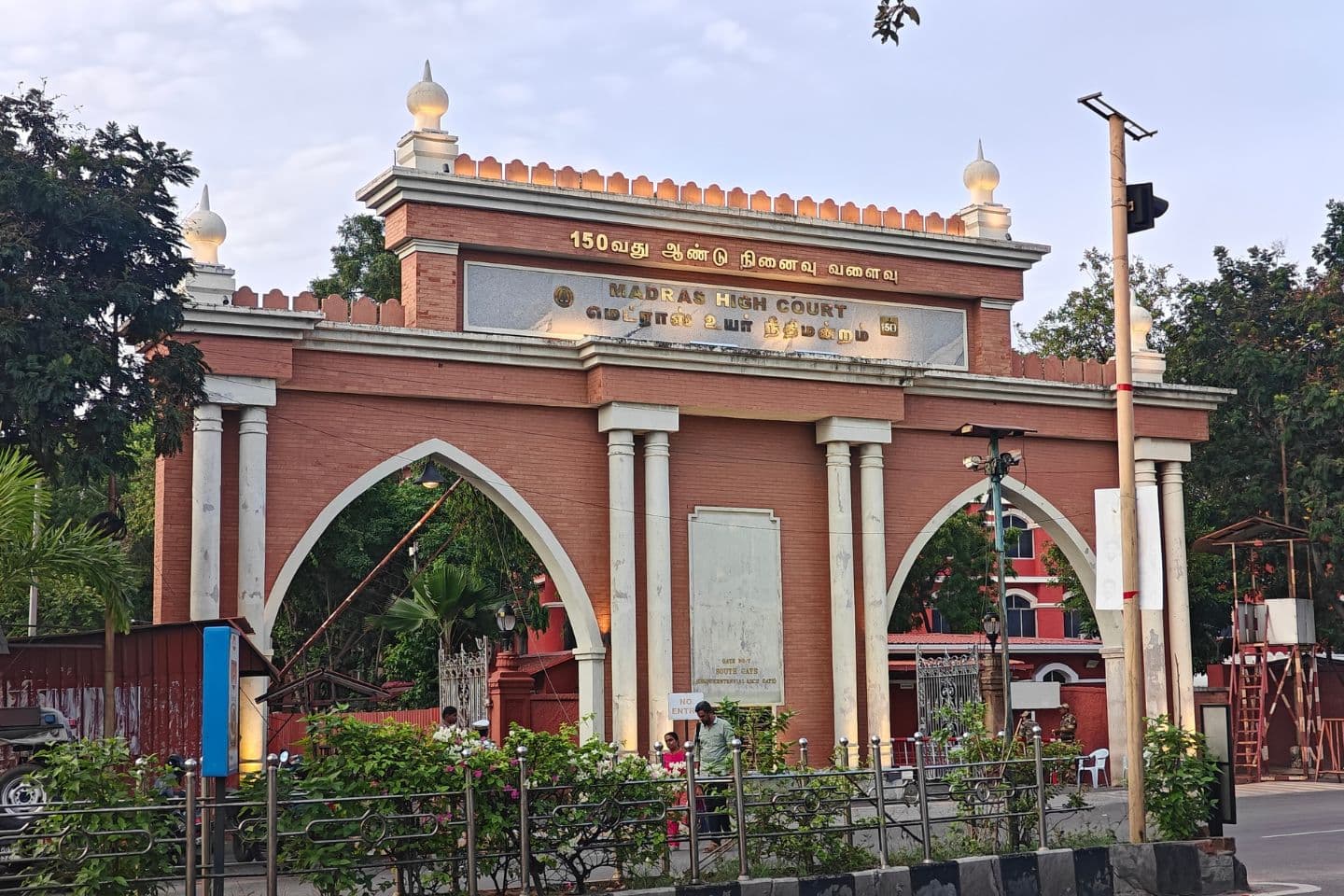
Background of the Proceedings
The Madras High Court was confronted with an anticipatory bail petition filed by Anita R Radhakrishnan, a member of the Dravida Munnetra Kazhagam serving as a Member of the Legislative Assembly. The petition arose after a complaint was lodged alleging that the MLA made objectionable remarks concerning the Chief Minister of Tamil Nadu, Joseph Vijay, during a public event on 20 June 2026. According to the complaint, the remarks likened the Chief Minister’s demeanour in the Assembly to that of a person feeling trapped and referenced his prior career in the film industry. The police subsequently registered a case under Section 352 and Section 353(2) of the Bharatiya Nyaya Sanhita, 2023, which pertain to intentional insult with intent to provoke breach of peace and statements conducing to public mischief, respectively. Anticipating arrest, the MLA approached the High Court seeking protection from detention.
Statutory Framework Invoked
The prosecution relied on two provisions of the Bharatiya Nyaya Sanhita. Section 352 criminalises intentional insult when the act is done with the intention of provoking a breach of peace. Section 353(2) addresses statements that are made with the knowledge that they are likely to cause public mischief. Both sections require a mens rea element that the accused intended or knew the likely consequence of their words. The defence contended that the spoken words lacked the requisite intent to disturb public peace or to create enmity, hatred or ill will, and therefore did not satisfy the ingredients of the charged sections.
Arguments Advanced by the Defence
Senior Advocate NR Elango, representing the MLA, submitted that the impugned speech, even if considered defamatory, did not attract the ingredients of Sections 352 and 353(2). He argued that there was no provocation in the remarks and that the statements pertained to the Chief Minister’s private life rather than his official duties. Elango emphasised that a claim of defamation must be pursued through the specific procedure laid down for such offences, which includes a complaint filed by the aggrieved party in a personal capacity or, if the statement relates to public duty, a prosecution initiated by the State. He cautioned that allowing the police to invoke the public order provisions for statements that are essentially defamatory would constitute an misuse of statutory powers.
Submissions Made by the State
The State, represented by the Public Prosecutor, countered that the MLA had not expressed any remorse for the statements and that the remarks were directed at the office of the Chief Minister. The State argued that permitting such comments without restraint would encourage any individual to make disparaging remarks about the Chief Minister, thereby undermining the dignity of the constitutional office. It stressed that the MLA, as an elected representative, bears a heightened responsibility to maintain decorum and that the impugned statements were unwarranted given the political culture of Tamil Nadu, where leaders from the cinema have been elected since 1967.
Observations of the Court
Justice GK Ilanthiraiyan, after hearing the parties, made several oral observations. He noted that, as a member of the legislative assembly, the MLA ought to have exercised caution and respect when speaking about the Chief Minister. The judge remarked that the State of Tamil Nadu has witnessed a tradition of electing individuals from the cinema industry since 1967, and that such leaders derive their mandate directly from the electorate. In this context, the court characterised the MLA’s statements as unnecessary and contrary to the expected conduct of a legislator. The judge further observed that the complaint was lodged because the statements had provoked a reaction, indicating that the impugned speech had the potential to disturb public peace.
Reasoning for Dismissing the Bail Plea
Taking into account the submissions and the oral remarks, the High Court concluded that the anticipatory bail petition could not be granted. The court held that the allegations disclosed a prima facie case under the invoked provisions, given the alleged intent to provoke a breach of peace and the likelihood of public mischief arising from the remarks. The court emphasised that the MLA’s position as a legislator demanded a higher standard of restraint, and that the lack of remorse demonstrated by the petitioner weighed against granting anticipatory relief. Consequently, the petition was dismissed, leaving the MLA subject to the regular criminal process.
Implications of the Order
The decision underscores the judiciary’s stance that public representatives must observe decorum when commenting on constitutional office holders. It also clarifies that, while defamatory remarks may be actionable under the specific defamation regime, statements that are alleged to incite public disorder or mischief can attract the stricter provisions of the Bharatiya Nyaya Sanhita. The ruling serves as a reminder that the freedom of speech enjoyed by legislators is not absolute and must be exercised in a manner that respects the dignity of public offices and maintains public order.