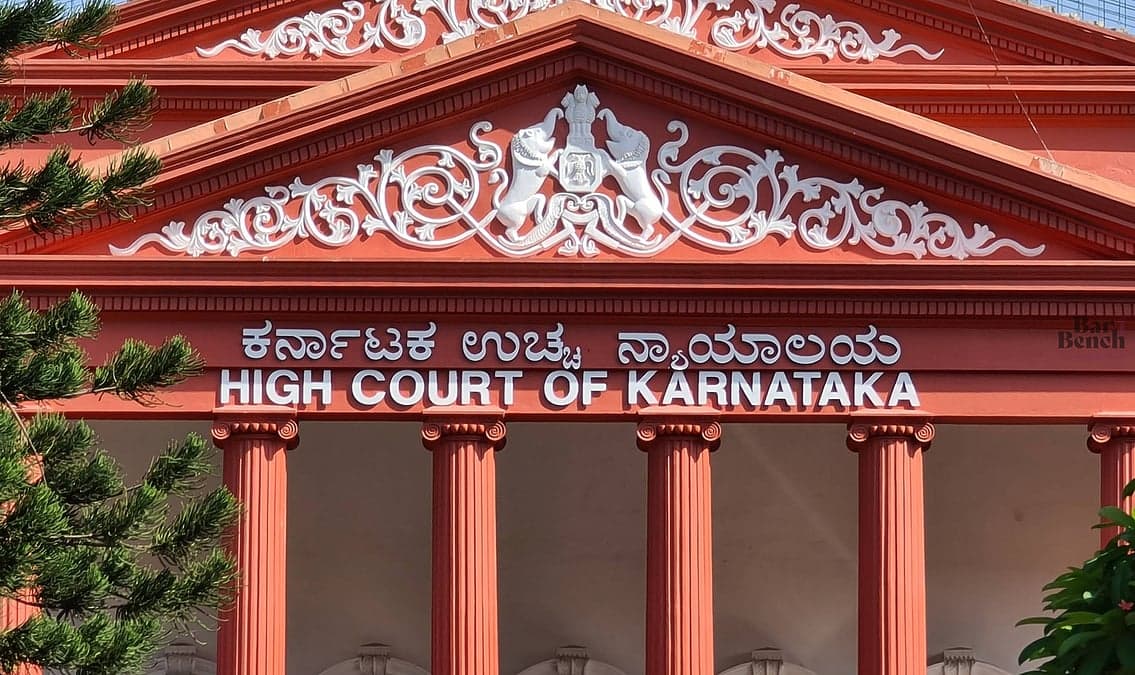
The Karnataka High Court has recently dismissed a criminal petition filed by a journalist and the editor of a newspaper daily who were accused of publishing a news report that revealed the identity of a child victim of assault. The single judge bench presided over by Justice Anant Ramanath Hegde held that the ongoing prosecution under Section 74(1) of the Juvenile Justice (Care and Protection of Children) Act, 2015 (JJ Act) is sustainable and that the petitioners cannot claim protection on the ground that the disclosure was made in the child’s interest.
The court’s order arose from a criminal complaint lodged against the journalist and the editor after a report appeared in their publication naming the minor who had suffered an assault. The complainant contended that the disclosure violated the statutory prohibition on revealing the identity of a child who is either a victim or in need of care and protection. The petitioners, in their defence, argued that the publication served the child’s interest by bringing public attention to the incident and thereby facilitating remedial action.
Justice Hegde, after examining the pleadings and the relevant provisions, observed that Section 74(1) of the JJ Act expressly forbids any person from publishing the name, address, photograph or any other particulars that may lead to the identification of a child who is a victim of an offence or who is otherwise in need of care and protection. The provision is designed to safeguard the child’s privacy, prevent secondary victimisation and uphold the principle of the child’s best interest, which is a cornerstone of the juvenile justice framework.
The bench noted that the exception contemplated under the statute – that disclosure may be permissible if it is genuinely in the child’s interest – is narrowly construed. The court emphasized that the interest of the child must be assessed objectively and cannot be justified merely by the media’s perception of public awareness or the purported benefit of highlighting the offence. In the present case, the petitioners failed to demonstrate how revealing the child’s identity directly contributed to the child’s welfare or rehabilitation. Consequently, the court rejected the contention that the publication fell within the permissible exception.
Furthermore, the court highlighted that the protection afforded by Section 74(1) is not contingent upon the outcome of any criminal proceedings against the alleged perpetrator. The prohibition operates independently to shield the child from stigma, social ostracism and potential retaliation that may follow public identification. The bench observed that allowing media outlets to invoke a vague “child’s interest” defence would erode the protective intent of the legislation and expose vulnerable minors to unnecessary harm.
In upholding the prosecution, the Karnataka High Court reinforced the judicial trend of interpreting child‑protective statutes strictly. The decision aligns with earlier pronouncements from various high courts and the Supreme Court that have stressed the primacy of the child’s dignity and privacy over competing claims of press freedom or public interest. The judgment serves as a reminder to media entities that any report involving a minor must be scrutinised for compliance with the JJ Act, and that inadvertent or deliberate disclosure of identifying particulars may attract criminal liability.
The operative outcome of the order is the dismissal of the petitioners’ plea to quash the proceedings, thereby allowing the trial court to continue with the prosecution under Section 74(1). The judgment does not express any opinion on the merits of the underlying assault case; it confines itself to the question of whether the alleged act of publishing the child’s identity constitutes an offence under the juvenile justice statute. By refusing to interfere with the ongoing prosecution, the Karnataka High Court has affirmed that the statutory safeguards for children remain enforceable irrespective of the medium through which the disclosure occurs.