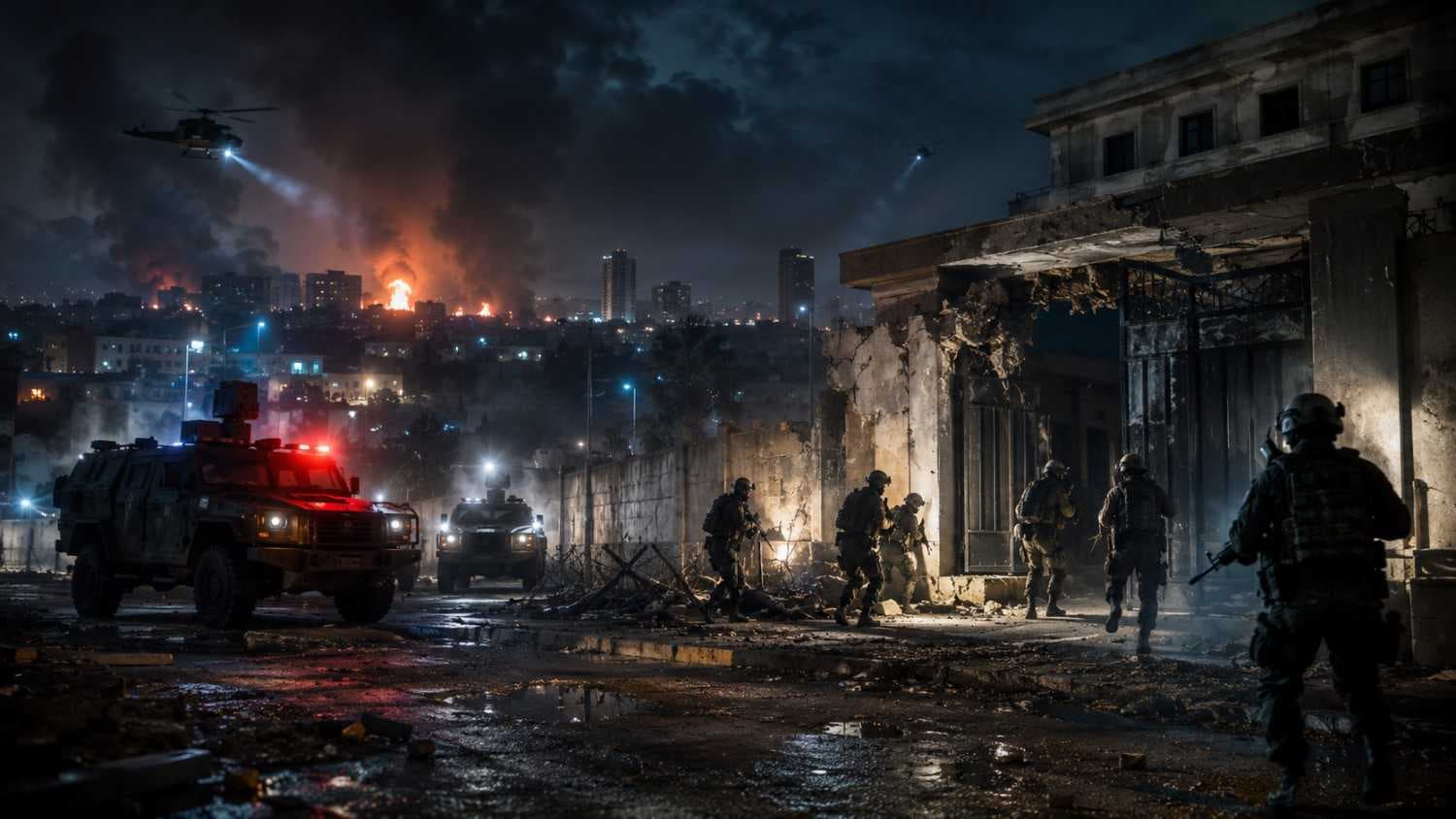
A heavily armed group of militants launched a massive assault on a paramilitary base in Karachi, triggering a fierce gun battle that shook the city. The attackers targeted the Sindh Rangers' Bhittai Wing headquarters in the densely populated Gulistan-e-Jauhar neighborhood on Saturday night. The intense, 90-minute clash ended with six terrorists killed and one captured alive, while four security personnel tragically lost their lives defending the compound. This marks the first massive terrorist strike in the metropolis in over a year, instantly putting the country's security forces on high alert.
The assault began with a loud explosion around 8:30 PM, sending shockwaves through nearby universities and residential blocks. According to initial investigations, the attackers rammed a vehicle directly into the main gate of the military compound to breach the perimeter. Once inside, they hurled hand grenades and opened fire indiscriminately, setting off multiple blasts. The sudden explosion and rapid gunfire forced panicked residents in the surrounding areas to lock themselves indoors, while authorities cut off power to nearby neighborhoods to assist the counter-operation.
The situation was brought under control only after specialized tactical teams rushed to the scene. Commandos from the Special Security Unit and the Anti-Terrorist Force quickly joined the pinned-down Rangers to corner the attackers. Together, they neutralized the core threat in under two hours, though emergency services remained on high alert as security teams swept the complex for any remaining hidden threats or unexploded devices.
Jamaat-ul-Ahrar, a notorious splinter faction of the banned Tehreek-e-Taliban Pakistan (TTP), quickly claimed responsibility for the deadly ambush. While the group historically focuses its violent campaign on Pakistan's northwestern provinces bordering Afghanistan, this daring raid proves they still maintain the network needed to strike deep within the country's commercial hub.
The sophisticated nature of the attack points directly to a larger, growing regional crisis. Pakistani military and intelligence agencies have repeatedly accused Afghanistan’s current rulers of offering safe havens to these militant factions. The government maintains that cross-border freedom allows groups like the TTP to plan, train, and execute operations inside Pakistan without fear of retaliation.
With tensions between Pakistan and Afghanistan already reaching a breaking point, this latest bloodshed will almost certainly trigger a heavy military response. Pakistan has previously launched targeted airstrikes on suspected hideouts across the border, and this high-profile breach in Karachi will likely force commanders to escalate their counter-terrorism operations to prevent further urban warfare.