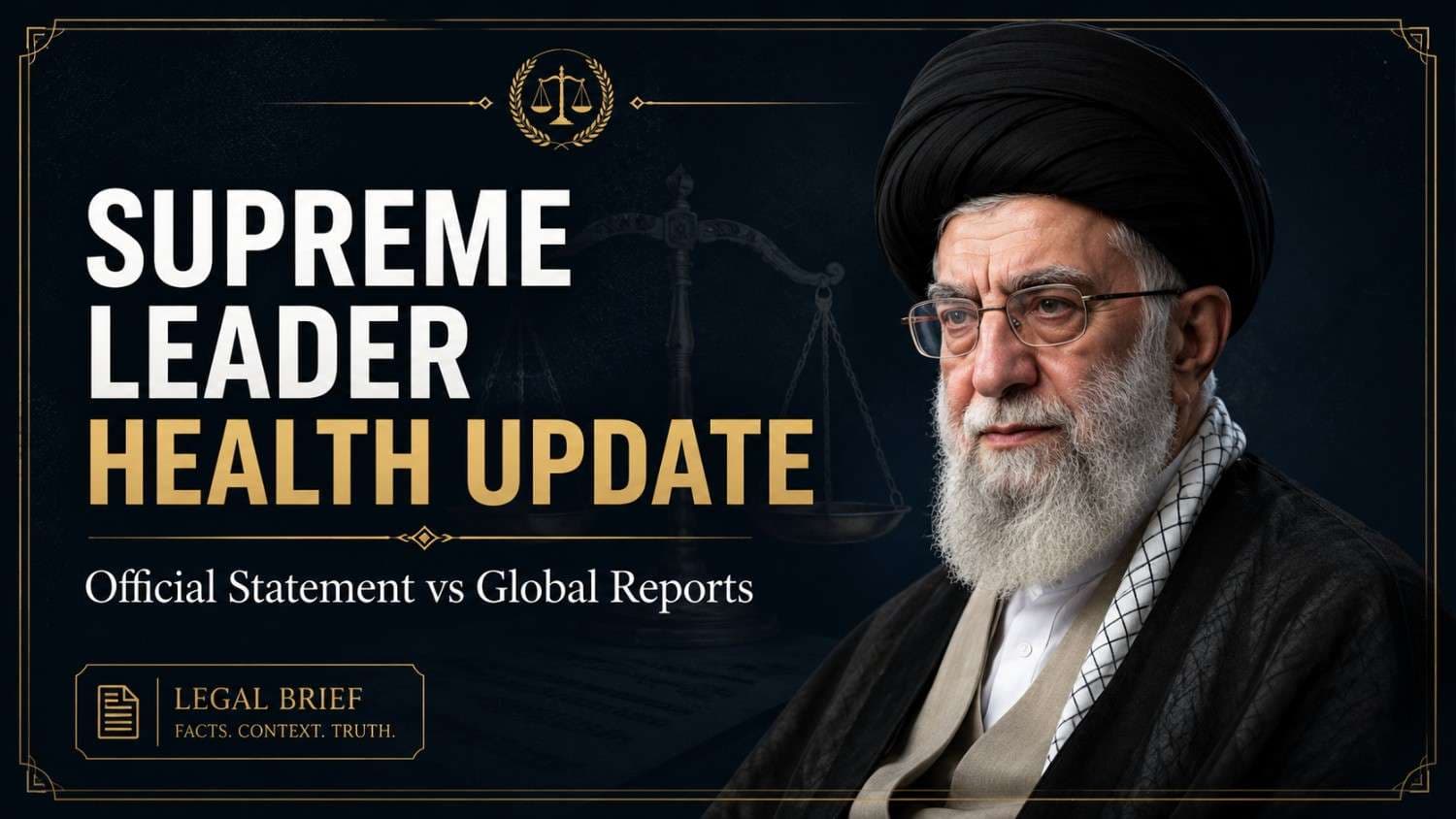
The Iranian government has officially addressed mounting international speculation regarding the health of Supreme Leader Mojtaba Khamenei, confirming that he is in "complete health" following minor medical interventions. In a statement released via the Fars News Agency on May 10, 2026, Mazaher Hosseini, the Director General of Protocol for the Supreme Leader’s office, clarified that recent medical procedures were necessary to treat lingering injuries sustained during the opening phase of the 2026 conflict. This marks the most detailed official update on the leader’s condition since he assumed the position following the death of his father, Ayatollah Ali Khamenei, in February.
According to the official report, the Supreme Leader’s injuries were primarily orthopedic, involving his kneecap and lower back. These were reportedly caused by a blast wave during a joint U.S.-Israeli airstrike on the leadership compound earlier this year. Hosseini dismissed reports of critical incapacitation, describing a treated "small crack behind the ear" and confirming that the back injury has fully improved. The statement aimed to project an image of stability and continuity, assuring the public that the 56-year-old cleric remains "mentally alert" and actively involved in the state’s strategic decision-making.
The timing of this health update is critical, as Mojtaba Khamenei has maintained a low public profile since his appointment by the Assembly of Experts on March 8, 2026. While state media insists he is recovering well, international intelligence assessments have suggested more extensive physical damage, including facial burns and leg injuries requiring multiple surgeries. The discrepancy between Tehran's "minor surgery" narrative and external reports of reconstructive needs highlights the high stakes of "regime health" during an active wartime period.
From an expert legal and political perspective, the Supreme Leader’s physical visibility is a matter of constitutional significance. In the Islamic Republic, the Vali-e Faqih (Supreme Jurist) must possess the physical and mental capacity to lead the nation as the commander-in-chief. By officially labeling his recent treatments as "minor" and "healing," the Iranian establishment is attempting to preempt constitutional challenges regarding his fitness to govern. This "transparency" serves as a strategic rebuttal to rumors that military generals have sidelined the leader due to his health.