The accused and the complainant first came into contact through the matrimonial website Jeevansathi in October 2020. According to the prosecution, the accused travelled from Haridwar to Delhi to discuss marriage with the complainant. On 11 January 2021 he allegedly invited her to a hotel in Paharganj where sexual relations commenced on the assurance of marriage. The relationship reportedly continued at various hotels over the ensuing years.
On 5 March 2023 the complainant stated that she discovered the accused had already entered into a marriage with another woman. This revelation prompted her to lodge a police complaint, leading to the registration of a case for rape and unnatural offences.
The counsel for the accused, comprising Prince Arora, Wazid Ali and Mitabh Gosain, contended that the three‑year association could not be presumed to have been non‑consensual throughout. They pointed to hotel records which showed that the complainant herself had produced her Aadhaar card at the time of check‑in, suggesting her voluntary participation. Furthermore, the defence asserted that the complainant continued the sexual relationship even after becoming aware of the accused’s existing marriage, thereby undermining the claim of inducement by false promise.
The prosecution, represented by Additional Public Prosecutor Raghuinder Verma along with advocates Aditya Vikram Singh and Upasna Bakshi, maintained that the charges were correctly framed. It argued that the complainant had been induced by a fresh promise that the accused would divorce his wife, and that the continuation of the relationship after learning of the marriage did not negate the initial inducement.
Justice Saurabh Banerjee, after considering the submissions of both sides, noted that the accused had been in a sexual relationship with the complainant for an extended period while concealing his prior marriage. The judge remarked that the concealment ‘strangely’ persisted despite the ongoing association, which created doubt in the court’s mind regarding the suitability of passing any interim order at that stage.
The court emphasized that the allegations raised questions of consent, inducement and the veracity of the promises made, issues that necessitate detailed examination of evidence, witness testimony and documentary material. Consequently, the bench concluded that the matter called for a full‑fledged trial rather than a summary disposal.
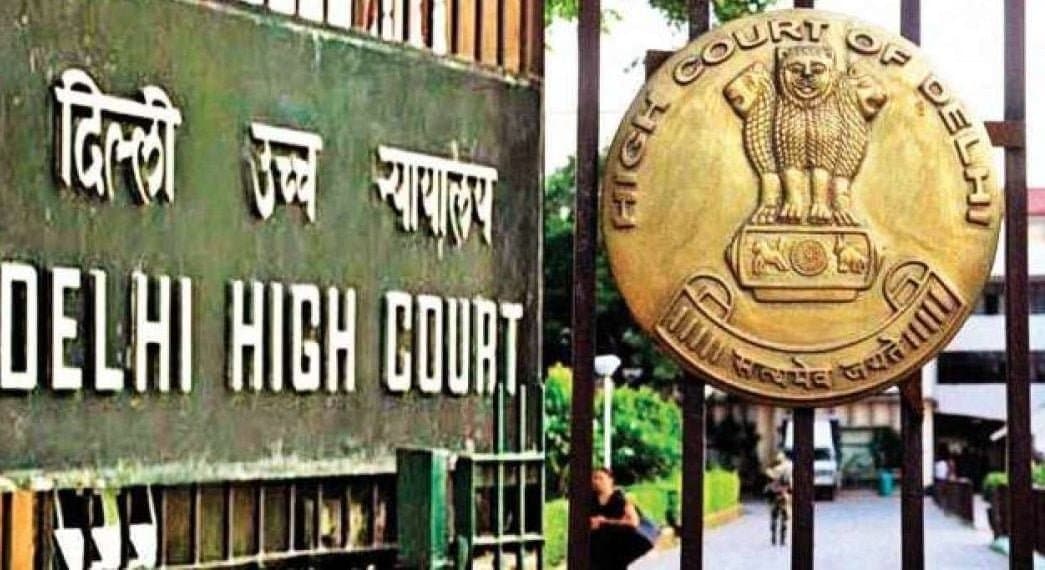
Keeping in view the aforesaid analysis, the Delhi High Court dismissed the petition filed by the accused seeking to set aside the trial court’s order framing charges. The bench sustained the charges under Sections 376(2)(n) (rape) and 377 (unnatural offences) of the Indian Penal Code as framed by the learned Additional Sessions Judge, Fast Track Special Court (RC), Central District, Tis Hazari Courts, Delhi in Sessions Case No. 313 of 2023, dated 30 November 2023.
The order thus upholds the trial court’s decision to proceed with trial, ensuring that the allegations of rape and unnatural intercourse premised on a false promise of marriage will be adjudicated on merit after a complete evidentiary hearing.