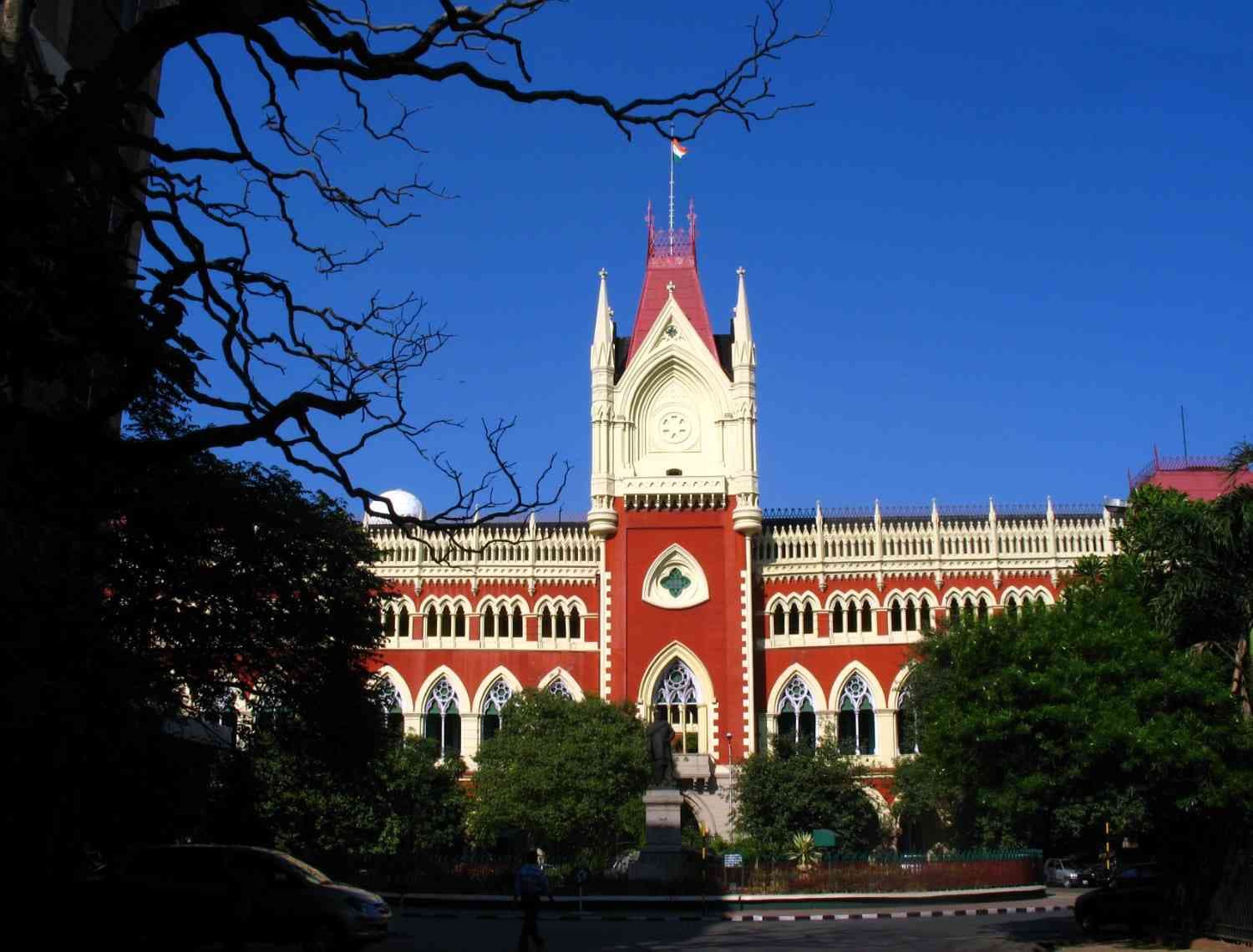
The Calcutta High Court, on Tuesday, refused to accord urgent hearing to a petition moved by Trinamool Congress MP Mahua Moitra, in which she sought directions for personal protection after an alleged attack that occurred during a political programme in Nadia's Kaliganj. The matter was listed before Justice Sougata Bhattacharyya, who, after hearing the preliminary submissions, determined that the situation did not warrant the invocation of the court's emergency jurisdiction.
Justice Sougata Bhattacharyya, while refusing to grant the request for urgency, remarked that “Such cases are being filed in …”. The judge’s observation, as recorded in the proceedings, pointed to the frequency with which similar pleas seeking interim protection are being presented before the court. The bench indicated that the recurrence of such applications necessitated a careful assessment of whether the instant matter required immediate interim relief or could be addressed in the ordinary course of litigation.
The court’s decision to decline urgency means that no interim order for protection was passed at this stage. The petition will now be scheduled for a regular hearing, during which the parties will be afforded an opportunity to place on record the full factual matrix, including any evidence pertaining to the alleged incident, and to argue the substantive relief sought. Until such time, the petition remains pending without any protective direction having been issued by the court.
In refusing to treat the plea as urgent, the bench emphasized the need to avoid premature intervention in matters where the alleged threat does not appear to be imminent or where the factual basis requires thorough examination. The judge’s comment about the filing of similar cases suggests that the court is wary of entertaining a large number of protective pleas on an expedited basis, preferring instead to assess each claim on its merits during a scheduled hearing.
The petition, as understood from the submissions mentioned in the proceedings, sought directions to the concerned authorities to provide security cover to the MP and to take preventive steps against any further intimidation or violence. The court’s refusal to grant urgent relief does not constitute a determination on the merits of the claim; it merely reflects the bench’s assessment that the situation, as presently presented, does not meet the threshold for interim protection under the court’s extraordinary jurisdiction.
Legal practitioners note that the grant of urgent relief under Article 226 of the Constitution, or under the court’s inherent powers, is contingent upon a demonstration of imminent danger, a likelihood of irreparable harm, and the absence of an effective alternative remedy. The bench’s decision indicates that, at this juncture, the petition did not satisfy those criteria to the extent necessary to warrant an immediate protective order.
The matter will now proceed according to the regular calendar of the Calcutta High Court. Both the petitioner and the respondents will have the opportunity to file detailed affidavits, produce any available evidence, and make oral arguments concerning the alleged attack and the necessity for protective measures. The final determination on whether any form of protection or direction shall be granted will be made after a full consideration of the record.
In sum, the Calcutta High Court, through the observations of Justice Sougata Bhattacharyya, has declined to treat the protection plea filed by TMC MP Mahua Moitra as an urgent matter, citing the frequent filing of similar cases as a contextual factor. The petition remains pending for a regular hearing, wherein the substantive issues will be examined and appropriate orders, if warranted, may be passed.