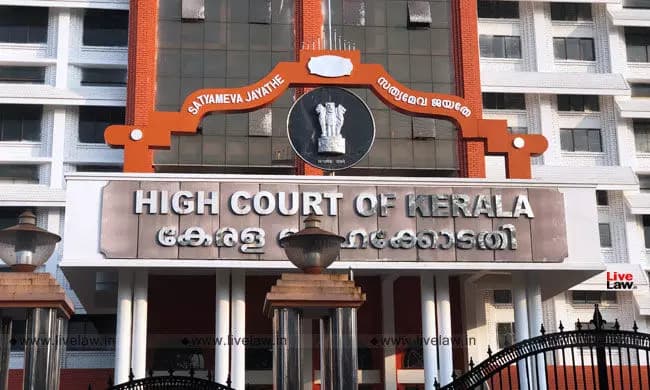
The Kerala High Court, presided over by Justice A. Badharudeen, was hearing a batch of petitions filed in 2020 that sought the constitution of a Special Investigation Team to look into the alleged fraud in the SNDP microfinance scheme. The case originated from a first information report registered in 2016 by the Vigilance and Anti‑Corruption Bureau, which accused officers of the SNDP Yogam and former managing directors of the Kerala State Backward Classes Development Corporation Ltd of diverting government funds earmarked for the Micro Finance Scheme. The amount involved, as stated in the pleadings, is Rs 15.85 crore.
The petitioners contended that despite the passage of several years, the investigation had not progressed satisfactorily. They pointed out that the present investigating officer, S. Sasidharan IPS, was appointed only in 2024, and that prior to his appointment multiple extensions had been sought by the officers handling the case. The petitioners argued that the delay warranted a change of the investigating officer and proposed the name of Jayanth Jaganathan IPS, DIG, to take over the probe.
Submissions by the Parties
During the hearing, the public prosecutor submitted that the investigating officer had made bona fide efforts to advance the investigation and requested a further period of one month to complete the probe and file a final report. The prosecutor also noted that the same officer was concurrently heading the investigation into the Sabarimala gold theft case.
In contrast, the counsel for the petitioners, Advocate D. Anil Kumar, emphasized that the crime had been registered eight years earlier and that the investigating officer had been in position for less than a year. He highlighted that on previous occasions the officer had sought extensions, and that the court had earlier indicated that the probe must be concluded within three weeks or else the bench would consider entrusting the investigation to another officer. The petitioners further requested that an affidavit be filed detailing the steps taken thus far, noting that a final report had been submitted in only one of approximately 124 related cases.
The prosecutor then sought time to file a counter to the interim application seeking a change of the investigating officer.
Court’s Observations on Sanction Requirements
While hearing the matter, Justice Badharudeen made oral observations concerning the procedural obstacle posed by the requirement of sanction for prosecution. He remarked that sanction was standing in the way of genuine prosecution and was defeating the purpose of the criminal process. The judge noted that the authorities tasked with granting sanction were themselves implicated in other vigilance cases, which created an appearance of a reciprocal arrangement to deny sanction.
Justice Badharudeen stressed that sanction must be granted when there is sufficient prosecution material and that the sanctioning authority ought not to adopt an inflexible stance. He directed that reasoned orders be passed, rather than blanket refusals, to ensure that legitimate cases are not stalled on procedural grounds.
Operative Outcome
Taking into account the submissions and the observations on sanction, the court granted the investigating officer a final opportunity to complete the investigation within one month from the date of the order and to file a final report thereafter. The matter was posted for hearing after the expiry of that period. The bench made it clear that if the investigation remained incomplete, it would be open to consider alternative measures, including the appointment of a different investigating officer, as previously indicated.
The order thus balances the need for expeditious completion of a long‑pending probe with the recognition that procedural hurdles such as sanction must be exercised judiciously. The case, identified as WP(C) No. 14599 of 2020 and Crl.MC No. 5539/2020, titled M.S. Anil v. State of Kerala and Ors. and connected case, will now proceed according to the timetable set by the court.